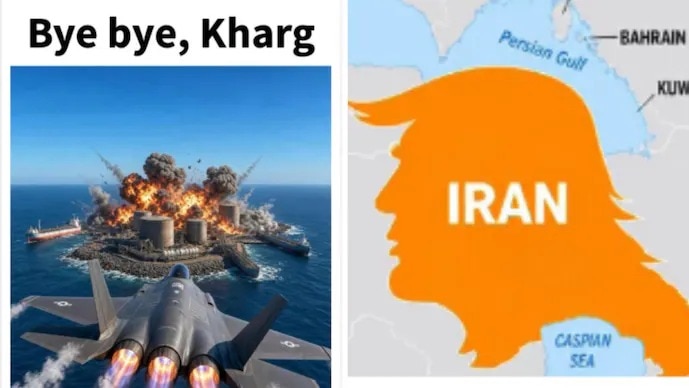
Iran plans to declare an exclusion zone outside the Strait of Hormuz following US strikes on three Iranian oil tankers. The move heightens tensions over shipping, oil flows, and ongoing diplomatic stalemate.
- Iran plans to declare an exclusion zone outside the Strait of Hormuz.
- The move follows US strikes on three Iranian oil tankers.
- Vessels entering the zone may face sanctions and economic penalties.
The Strait of Hormuz is one of the world's busiest oil corridors, handling roughly nine million barrels of oil per day.
This month, the United States struck three Iranian oil tankers in response to Iran’s launch of ballistic missiles at US warships.
Iran’s National Security Chief Mohsen Rezaei announced that an exclusion zone will be established outside the Strait, starting from the US naval blockade line, extending to the Strait, and continuing into the Persian Gulf.
The US Navy has deployed over 20 warships, redirecting 92 commercial vessels and disabling three.
Diplomatic talks have collapsed, sanctions persist, and Iran targets ships attempting to navigate the strait.
Despite sanctions, oil flows through the Hormuz Strait remain critical for global markets.
Why This Matters
BozokMedia analysis shows that this move could have long‑term impacts on regional maritime security and global energy prices.
“Iran’s exclusion zone poses a new threat to global shipping lanes, demanding immediate international attention.”
Frequently Asked Questions
Why is the Strait of Hormuz important?
What impact will this exclusion zone have on international shipping?