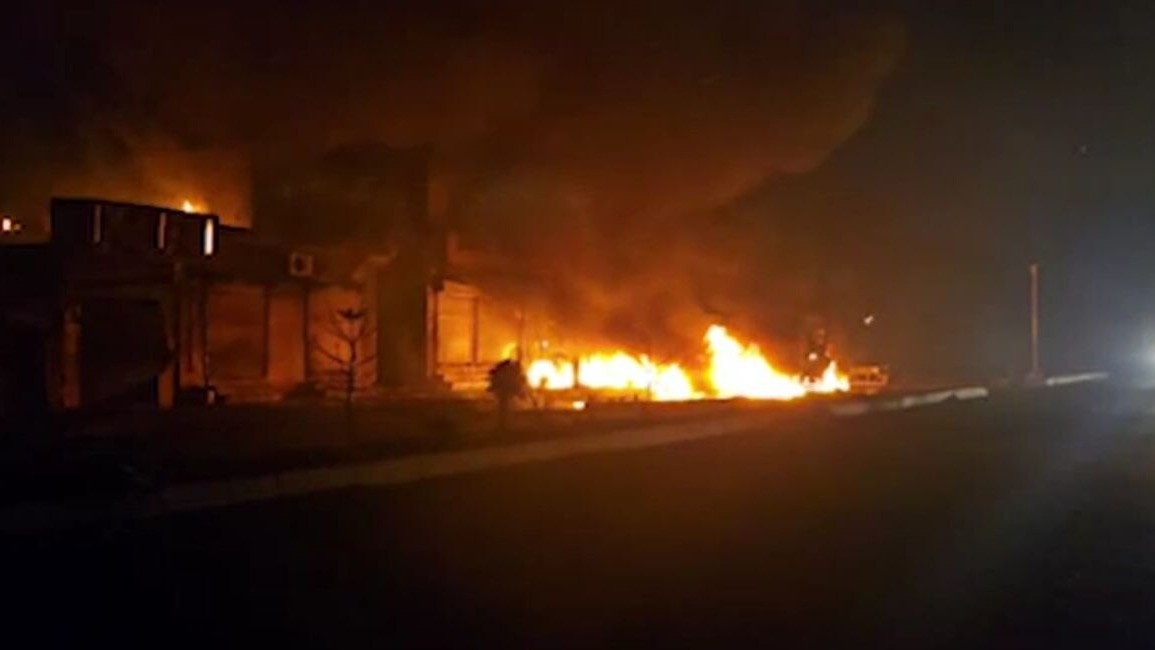
As Nepal grapples with the aftermath of devastating flash floods, authorities are turning to DNA profiling to identify hundreds of decomposed remains and provide closure to grieving families.
- The August 26 flash floods in Nepal have claimed over 1,300 lives, with approximately 5,000 people still missing.
- Authorities have collected 2,272 DNA samples to establish identities of unidentified victims.
- Severe decomposition and fragmentation of remains have made visual identification nearly impossible.
- Nepal Police has expanded DNA collection centers to remote areas like Nuwakot to assist grieving families.
The devastating flash floods that struck Nepal on August 26, triggered by an ice-rock avalanche near the Nepal-Tibet border, have left a trail of destruction across northern and central regions. The Bhotekoshi River, swollen by the deluge, swept away entire villages, infrastructure, and lives, creating a humanitarian crisis of unprecedented proportions.
The Human Cost of Uncertainty
For families like that of Amrit Diyali, the disaster is not just a statistic but a harrowing search for fragments of their lives. After his brother Raj Kumar, his wife, and young son were swept away, Diyali discovered a severed hand in the riverbed near Nawalpur. This discovery, while gruesome, represents a flicker of hope—the hope that DNA testing might finally bring the truth.
The case of the Kumar family highlights the agonizing wait endured by thousands. Searching through mud and debris from Chitwan to Nawalpur, relatives have transitioned from searching for survivors to searching for remains, hoping for the closure of a final rite.
Why Identification is a Forensic Nightmare
Forensic experts have noted that the conditions of the recovered bodies present an extreme challenge. Prolonged immersion in floodwaters, combined with exposure to mud, debris, and biological decomposition, has stripped many victims of identifiable features such as facial structure or clothing markers.
Why This Matters
BozokMedia analysis shows that as climate-induced extreme weather events become more frequent in the Himalayan belt, the demand for advanced forensic infrastructure is outstripping current capacities. The ability to provide rapid DNA profiling is no longer just a medical necessity but a critical component of disaster response and social stability.
DNA testing has emerged as the most crucial tool in the forensic arsenal to bridge the gap between mass casualty events and the human need for closure.
To streamline the process, Nepal Police has not only utilized the National Forensic Science Laboratory in Kathmandu but has also opened a dedicated sample collection center in Bidur, Nuwakot. This move aims to reduce the logistical burden on families living in remote, flood-affected districts.
Frequently Asked Questions
1. What caused the massive flooding in Nepal?
The floods were triggered by an ice-rock avalanche near the Nepal-Tibet border on August 26.
2. Why can't police identify bodies by sight?
Severe decomposition and physical fragmentation caused by the floodwaters make visual identification unreliable.