The Jibjibe Rural Hospital in Nepal's Rasuwa district has emerged as a beacon of hope for those injured in recent devastating flash floods. Supported by critical equipment from the Indian Express Citizens’ Relief Fund, the facility is tackling both physical trauma and psychological distress.
- Jibjibe Rural Hospital in Rasuwa, Nepal, is providing critical care to flash flood survivors.
- Donations from The Indian Express Citizens’ Relief Fund provided essential medical equipment.
- The hospital is seeing a surge in both physical injuries and PTSD cases.
- Facility expansion is underway to accommodate the growing patient load.
In the hills of the Rasuwa district, the Jibjibe Rural Hospital has transformed from a local primary healthcare center into a vital sanctuary for those ravaged by recent flash floods. While it traditionally handled routine vaccinations and minor ailments, the sudden surge in flood-related injuries has placed the facility at the forefront of the humanitarian crisis.
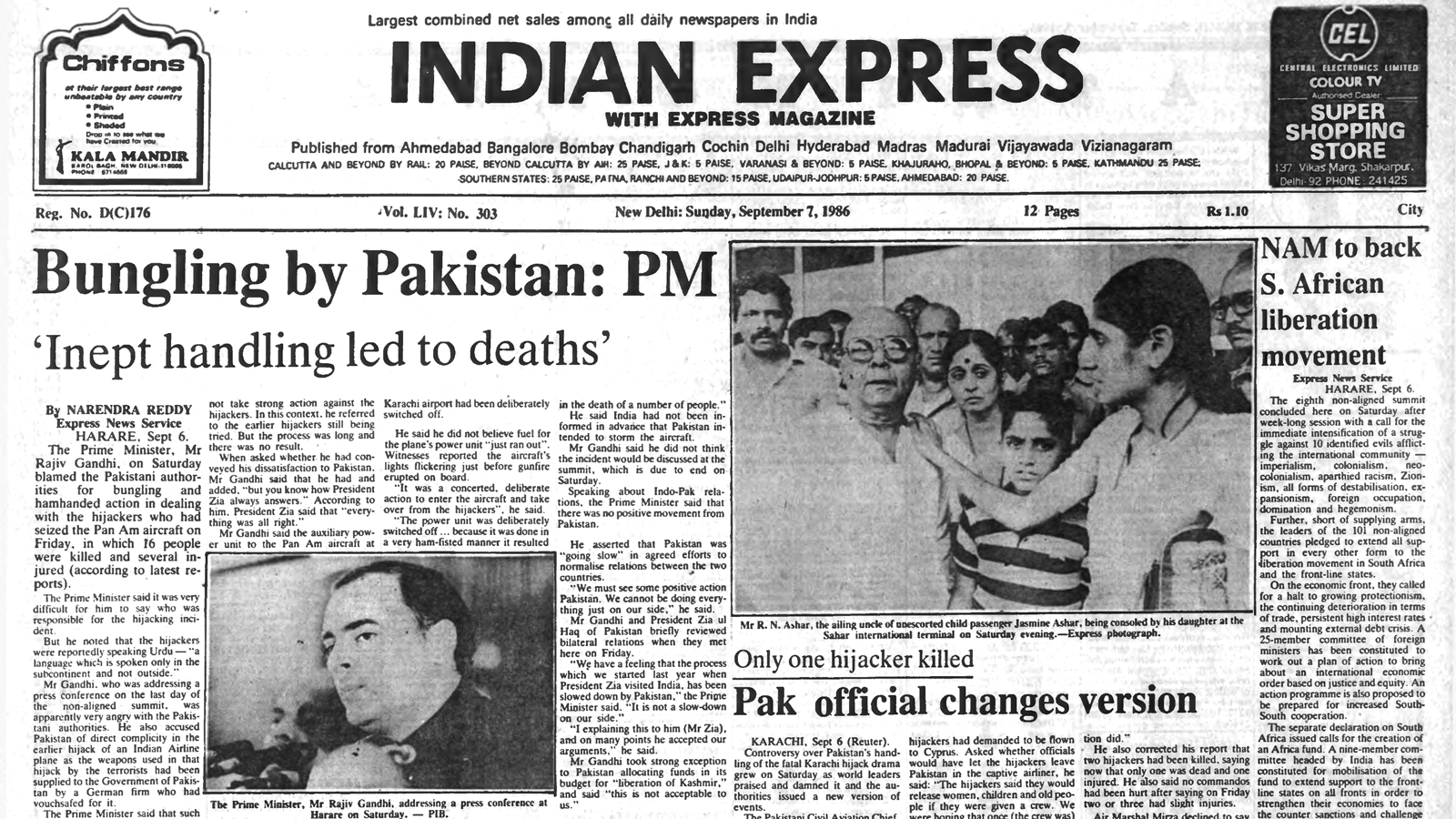
The current crisis echoes the aftermath of the devastating April 2015 earthquake. During that period, readers of The Indian Express responded to a call for help, contributing to a relief fund that purchased critical medical equipment worth Nepal Rs 1.2 crore for hospitals in Sindhupalchok, Rasuwa, and Nuwakot. This legacy of support is now proving instrumental in treating current victims.
Why This Matters
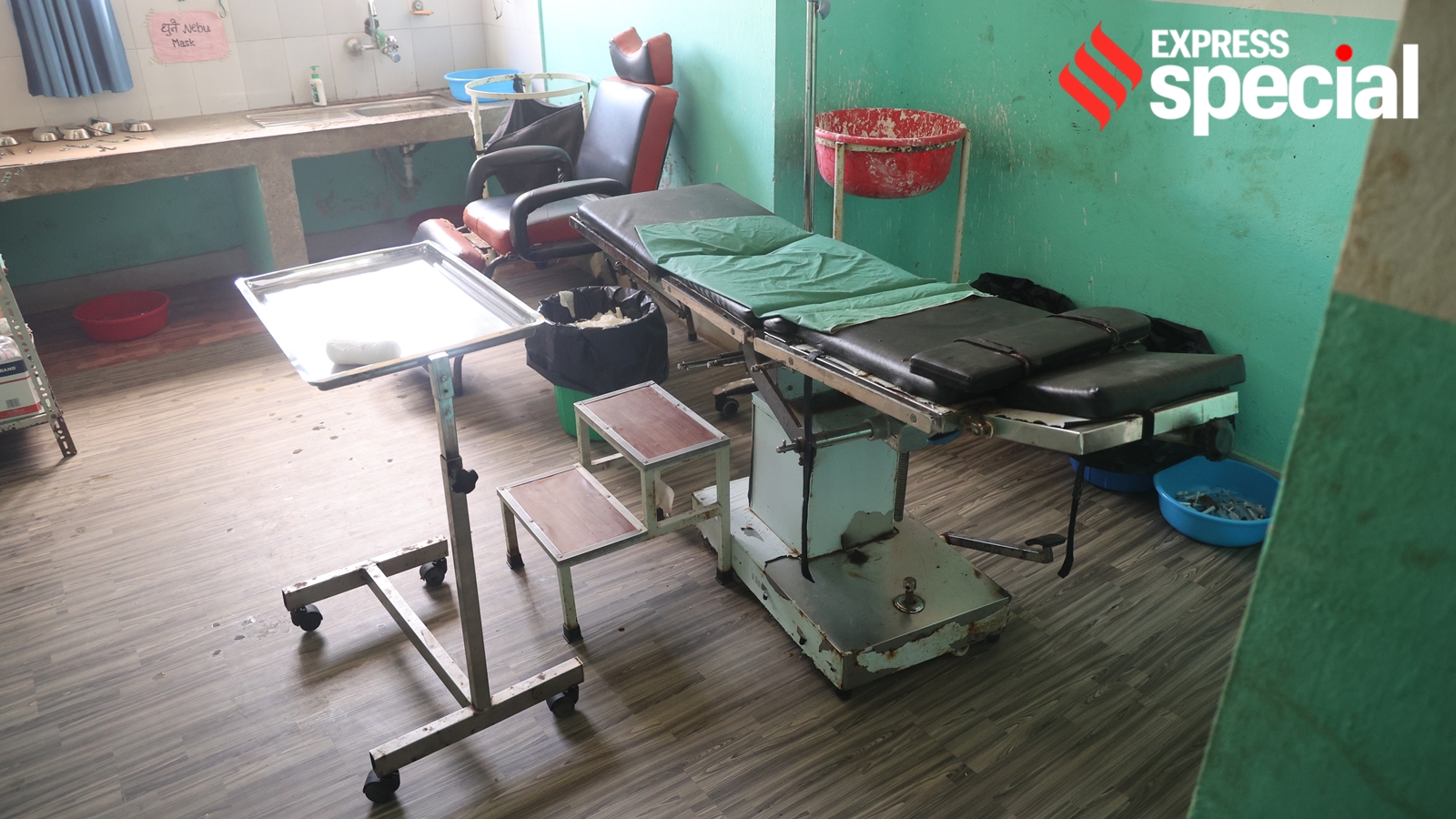
BozokMedia analysis shows that in remote mountainous regions like Rasuwa, the availability of localized surgical equipment is the difference between life and death. Without the X-ray machines and operation theatre tables provided by previous relief efforts, many patients would have had to endure dangerous 90km journeys to Kathmandu for even minor procedures.
"We treated patients suffering from bone fractures, head injuries, and lung complications directly here, preventing the need for immediate evacuation in many cases." - Dr. Nirajan Bhatta, Medical Superintendent.
Beyond physical trauma, the hospital is witnessing a silent epidemic of mental health struggles. Doctors report a significant rise in patients presenting with symptoms of Post-Traumatic Stress Disorder (PTSD). Many survivors, having lost family members in the floods, exhibit acute stress that manifests as physical pain despite normal vital signs.
Historical Background
The Himalayan region, particularly districts like Rasuwa bordering China, remains highly vulnerable to extreme weather events. The recurring pattern of earthquakes and flash floods necessitates a robust, decentralized healthcare infrastructure to mitigate high mortality rates during disasters.
| Metric | Pre-Flood Status | Post-Flood Status |
|---|---|---|
| Daily Patient Volume | 80-100 | 100-130 |
| Primary Focus | Routine Checkups | Emergency & Psychosocial Care |
Frequently Asked Questions
1. What kind of equipment was provided by the relief fund?
The fund provided X-ray machines, infant radiant warmers, operation theatre tables, and various surgical tools.
2. Where is the most serious flood-related medical care centralized in Nepal?
While local hospitals provide initial care, the most critical cases are often evacuated via helicopter to Kathmandu.