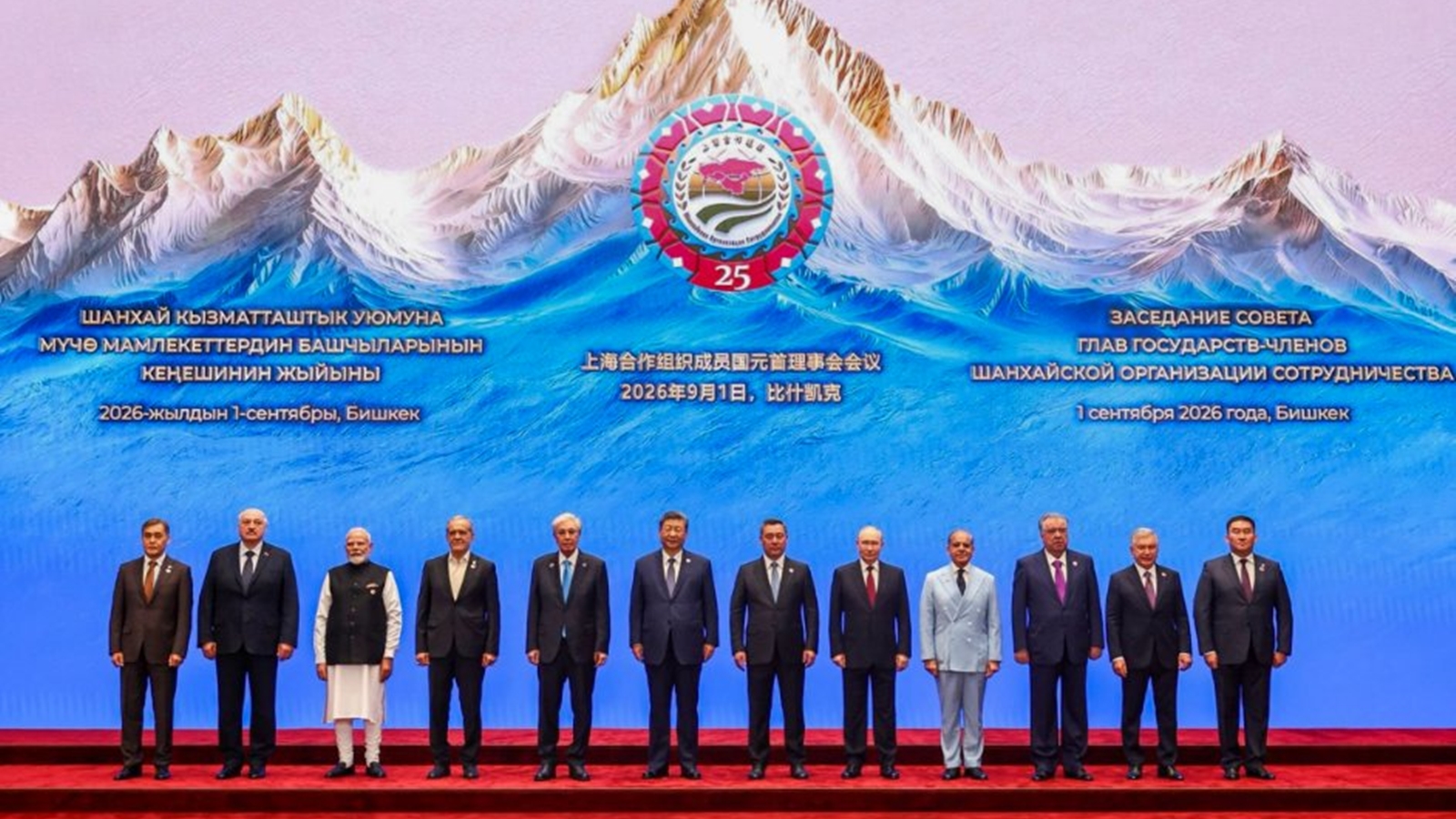
The recent SCO summit highlights the limits of isolating Pakistan. Experts suggest India should focus on strengthening its own global ties to render Pakistan's influence irrelevant.
- Isolating a state is difficult because nations prioritize strategic interests over moral concerns.
- India's most effective path is to strengthen its own defense and economic ties to negate Pakistan's influence.
- The 'de-hyphenation' strategy with the US and Saudi Arabia has already proven successful in elevating India's regional standing.
The recent Shanghai Cooperation Organisation (SCO) summit serves as a stark reminder of the limitations inherent in India's attempts to isolate Pakistan on the global stage. As Pakistan assumes a rotational presidency of a multilateral body focused on counter-terrorism, it raises a critical question: Is India doing enough to expand its ties with other states to counter Islamabad's influence?
From a strategic standpoint, India’s objectives—weakening Islamabad and rallying international condemnation—are sound. However, the flaw lies in the assumption that isolating a state is a simple task. In the realm of realpolitik, national interests drive state policy far more effectively than morality. Other states are unlikely to act unless an issue directly impacts their own strategic or economic goals.
Why This Matters
BozokMedia analysis shows that the global landscape is governed by engagement rather than abandonment. Even during periods of tension, major powers maintain ties with Pakistan due to specific regional interests, such as the United States' involvement in Afghanistan.
The key to negating Pakistan’s influence is not through isolation, but by making India’s existing security and defense relations so robust that Pakistan becomes irrelevant.
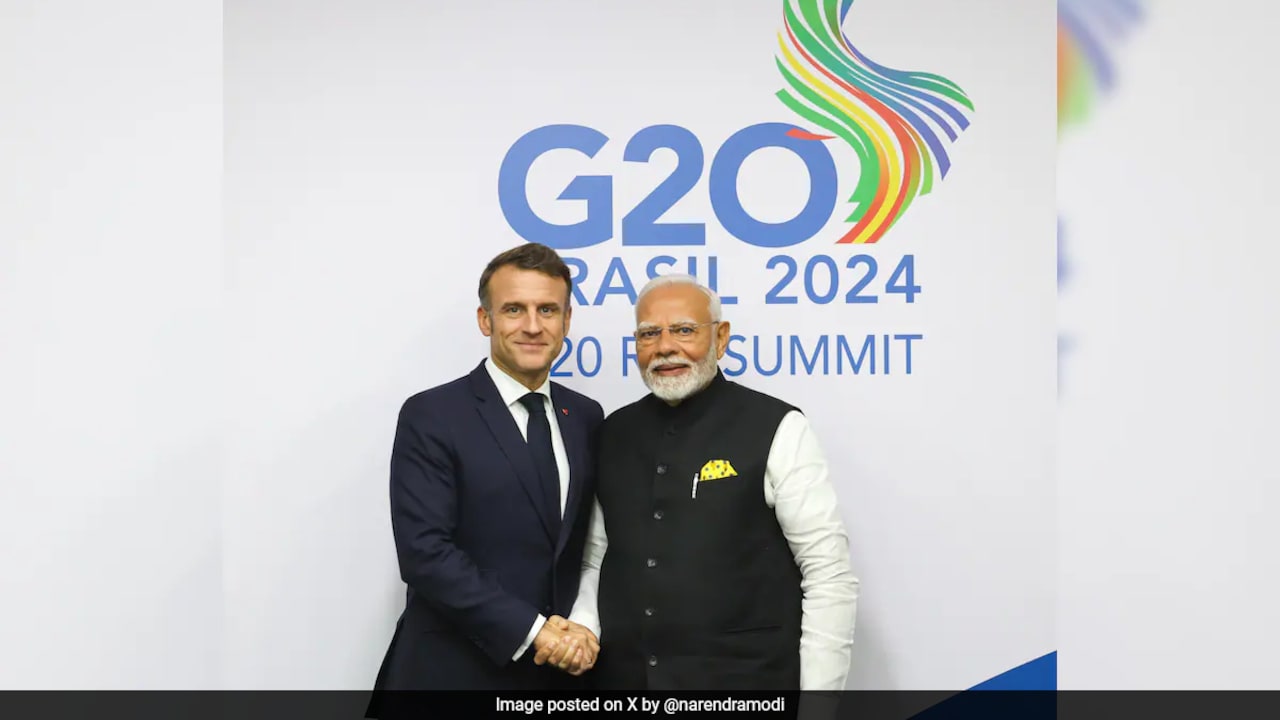
A more sophisticated strategy for New Delhi is to steadily strip Pakistan of its ability to limit India’s options. We have seen this model work successfully with the United States. Over the last two decades, Washington did not abandon its engagement with Islamabad, but it simultaneously deepened its economic, security, and political convergence with New Delhi. This process of 'de-hyphenation' ensured that India became a primary strategic partner in South Asia.
A similar pattern is evident in India's relations with Saudi Arabia. Despite Riyadh's long-standing ties with Pakistan, India has successfully cultivated deep economic and strategic convergences that have rendered Pakistan's influence in the kingdom largely secondary.
Ultimately, isolation is a relative concept. If a nation wishes to isolate a rival, it must achieve a position of such strength that other states naturally gravitate toward it during crises. This must be the guiding principle for India in multilateral forums like SCO and BRICS.
Frequently Asked Questions
1. Why is it hard to isolate Pakistan?
Because many nations, including the US and China, have specific regional interests (like Afghanistan or trade) that require them to maintain engagement with Islamabad.
2. What is the benefit of 'de-hyphenation'?
It allows a country like India to build deep, independent partnerships with global powers without being constantly compared to or limited by its rivalry with Pakistan.