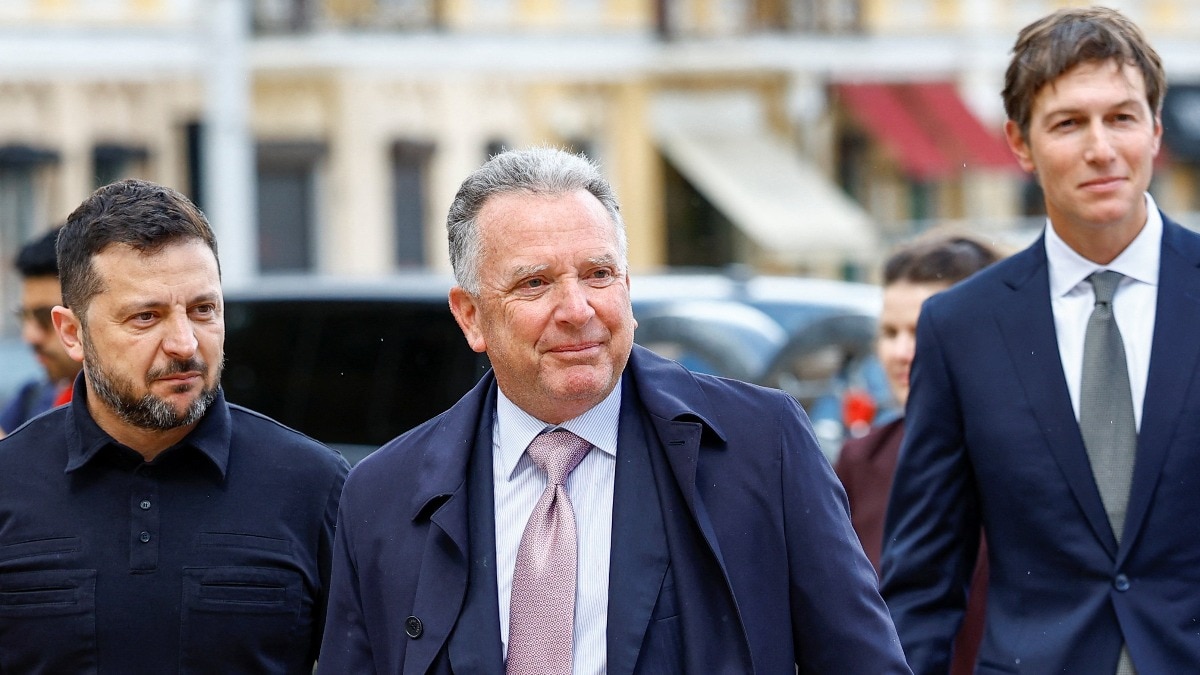
US representatives Steve Witkoff and Jared Kushner have arrived in Kyiv following intense discussions with Vladimir Putin in Moscow. The diplomatic push for peace comes as both Russia and Ukraine intensify aerial strikes.
- US envoys Steve Witkoff and Jared Kushner arrive in Kyiv for their first official visit.
- High-level, three-hour meeting held with Vladimir Putin in Moscow.
- Intensified drone and missile warfare continues despite diplomatic efforts.
- President Zelenskyy expresses readiness for 'constructive' peace discussions.
In a significant diplomatic escalation, US envoys Steve Witkoff and Jared Kushner arrived in Kyiv on Sunday. This marks their first official visit to Ukraine since the full-scale Russian invasion, signaling a renewed push from Washington to mediate a cessation of hostilities. The visit follows a marathon three-hour meeting with Russian President Vladimir Putin in Moscow, aimed at reviving peace negotiations that had largely stalled.
A Race Against Time for Peace
Ukrainian President Volodymyr Zelenskyy has expressed a cautious optimism regarding the US intervention. In a statement released via Telegram, Zelenskyy emphasized that Ukraine is prepared for "constructive" dialogue, stressing the urgent need for security guarantees and a "just and sustainable postwar peace." However, the diplomatic momentum faces a steep uphill battle as the conflict on the ground continues to escalate.
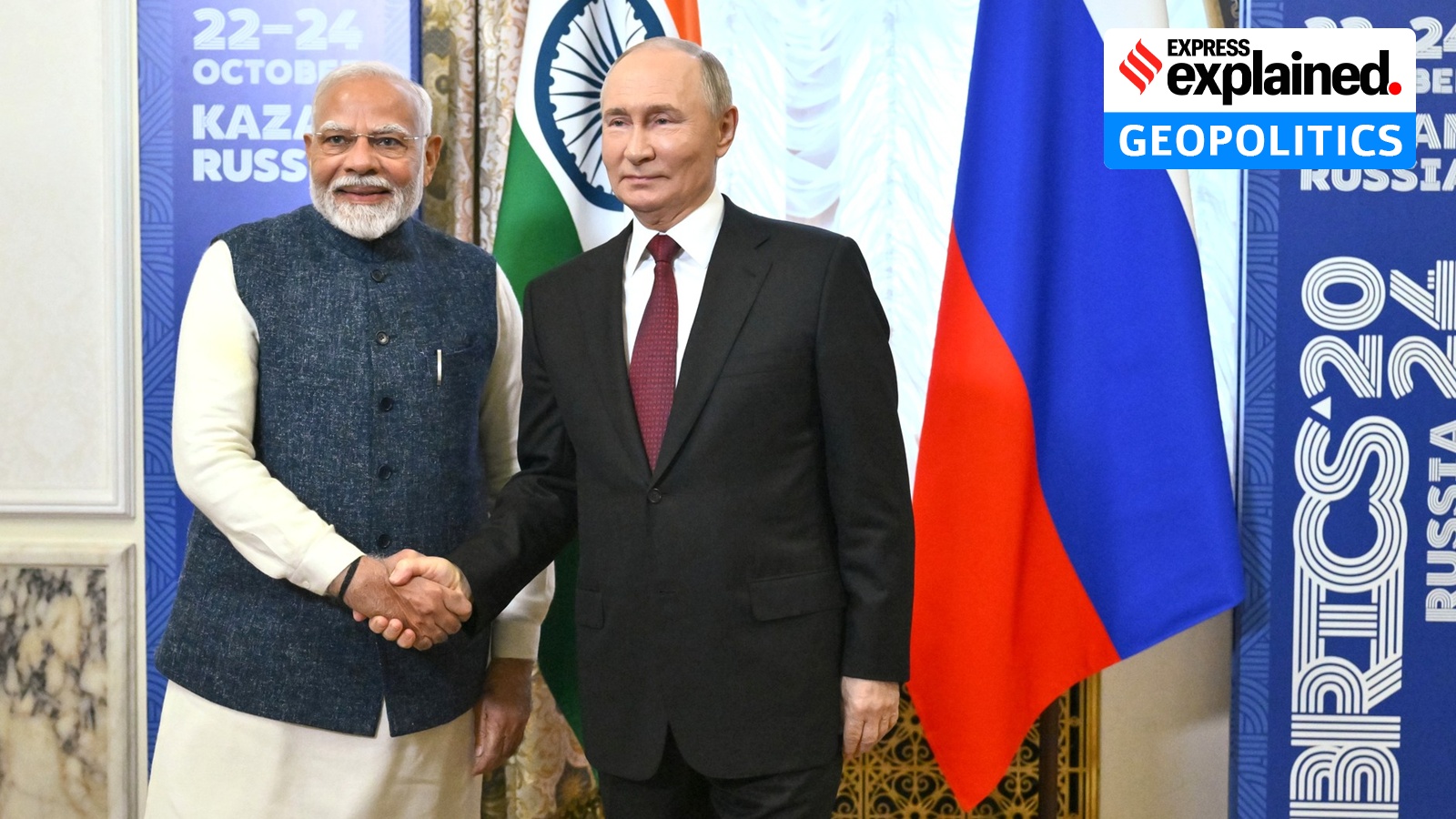
The Moscow leg of the mission concluded without a definitive breakthrough. Yuri Ushakov, Putin's foreign policy adviser, characterized the talks as "constructive and frank," noting that discussions extended beyond the immediate battlefield to include economic cooperation and large-scale joint projects between Russia and the United States. Despite these discussions, the lack of a concrete ceasefire agreement remains a primary concern for the international community.
Why This Matters
BozokMedia analysis shows that this visit represents a pivot in US foreign policy. For the past six months, Washington's strategic focus has been heavily directed toward the conflict in Iran, leaving the Ukraine-Russia front with diminished diplomatic oversight. The return of Witkoff and Kushner suggests that the US is attempting to re-engage directly to prevent the conflict from spiraling into a broader global crisis.
The gap between the diplomatic rhetoric in Moscow and the lethal reality on the Ukrainian front lines highlights the immense difficulty of brokering a lasting peace.
Escalation of Aerial Warfare
The diplomatic mission is unfolding against a backdrop of intensified combat. Both sides have ramped up the use of advanced weaponry, with Russia deploying fast-flying, jet-powered drones. In Ukraine, the sound of air-raid sirens has become a constant feature of daily life. Reports indicate that overnight attacks in regions like Zaporizhzhia and Khmelnytskyi have resulted in civilian casualties and significant infrastructure damage.
The scale of the recent aerial exchanges is summarized below:
| Metric | Russian Operations | Ukrainian Operations |
|---|---|---|
| Primary Weaponry | Jet-powered drones & missiles | Air defense & drones |
| Targeted Areas | Kyiv, Zaporizhzhia, Khmelnytskyi | Belgorod (Russia) & border regions |
| Engagement Data | 108 drones launched; 6 missiles | 258 Ukrainian drones intercepted |
Frequently Asked Questions (FAQs)
1. What is the primary goal of the US envoys' visit to Kyiv?
The mission aims to facilitate peace talks, discuss security guarantees, and find a path toward a sustainable ceasefire between Russia and Ukraine.
2. Did the meeting with Putin result in a ceasefire?
No, while the talks were described as constructive, no official breakthrough or ceasefire agreement was announced following the Moscow meeting.