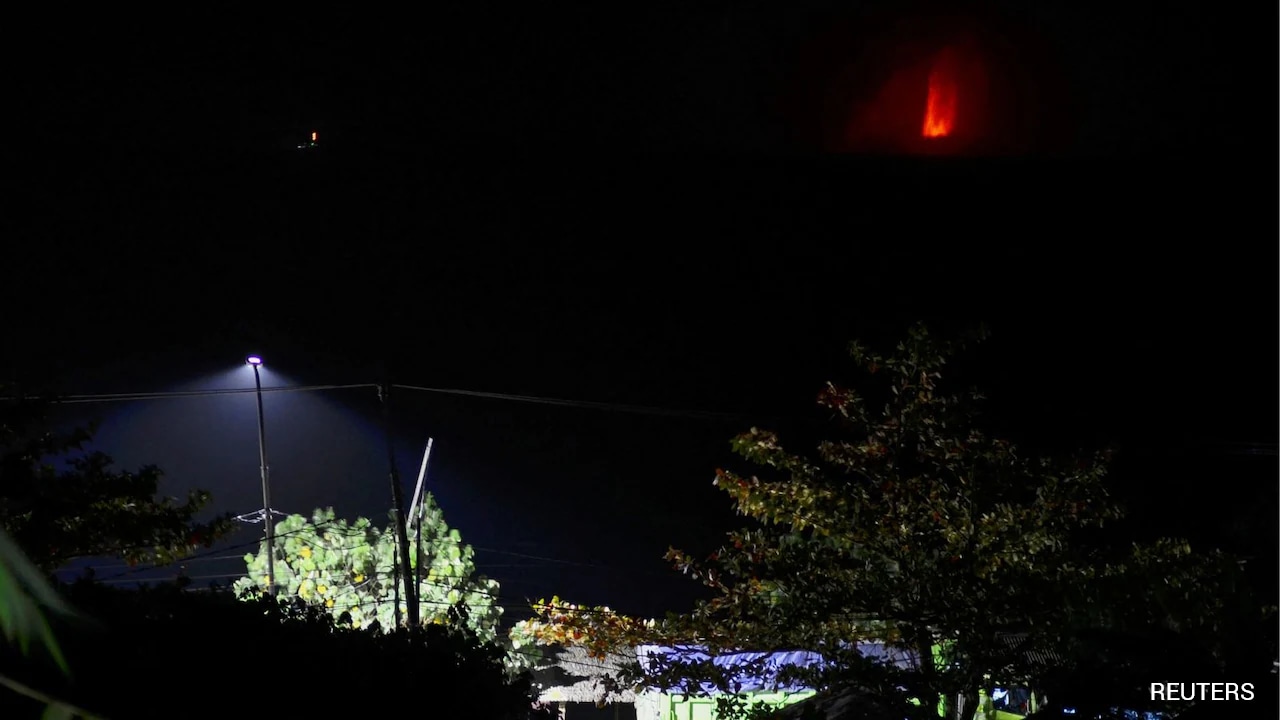
Mount Anak Krakatau has erupted in Indonesia, sending ash clouds into the airspace near Soekarno-Hatta International Airport. Authorities have suspended operations to ensure aviation safety.
- Mount Anak Krakatau volcano experienced a massive eruption.
- Ash clouds detected in the airspace near Soekarno-Hatta International Airport.
- Flight operations suspended due to significant aviation safety risks.
A powerful eruption of the Mount Anak Krakatau volcano in Indonesia has sent shockwaves through the region. The eruption has spewed hot lava and massive plumes of volcanic ash into the atmosphere, posing a direct threat to regional aviation. Authorities have confirmed that ash particles have been detected in the airspace surrounding the Soekarno-Hatta International Airport.
Located approximately 150 km away from the eruption site, the airport has been forced to suspend all operations as a precautionary measure. The presence of volcanic ash in the airspace is a critical safety concern, as ash can cause catastrophic engine failure and severely reduce pilot visibility during takeoff and landing.
Why This Matters
BozokMedia analysis shows that such geological events in Indonesia carry massive economic implications for the Southeast Asian aviation corridor. The disruption of a major hub like Soekarno-Hatta can lead to a domino effect of flight cancellations and logistical delays across the entire continent.
Volcanic ash is one of the most significant hazards to modern aviation, capable of melting inside jet engines and causing total power loss.
Historical Background: Mount Anak Krakatau (Child of Krakatoa) emerged from the caldera of the original Krakatoa volcano, which famously exploded in 1883, one of the deadliest volcanic events in recorded history. The ongoing activity in the Sunda Strait serves as a constant reminder of the volatile tectonic nature of the Indonesian archipelago.
Frequently Asked Questions
1. Is it safe to fly near volcanic activity?
Aviation authorities strictly prohibit flying through ash clouds due to the risk of engine flameouts.
2. How long will the airport suspension last?
The duration depends on wind patterns and the intensity of the volcanic ash plume.