Tensions flared in Portsmouth, UK, as hundreds of demonstrators clashed with police to prevent migrants from being transported to processing centers. The protest follows an unusually long English Channel crossing by 140 migrants.
- Approximately 140 migrants arrived in Portsmouth via a single dinghy.
- Protesters blocked roads near Eastney Landing to stop migrant transport.
- Police deployed in riot gear to manage clashes and maintain order.
- Smugglers are reportedly using longer, more dangerous routes to evade detection.
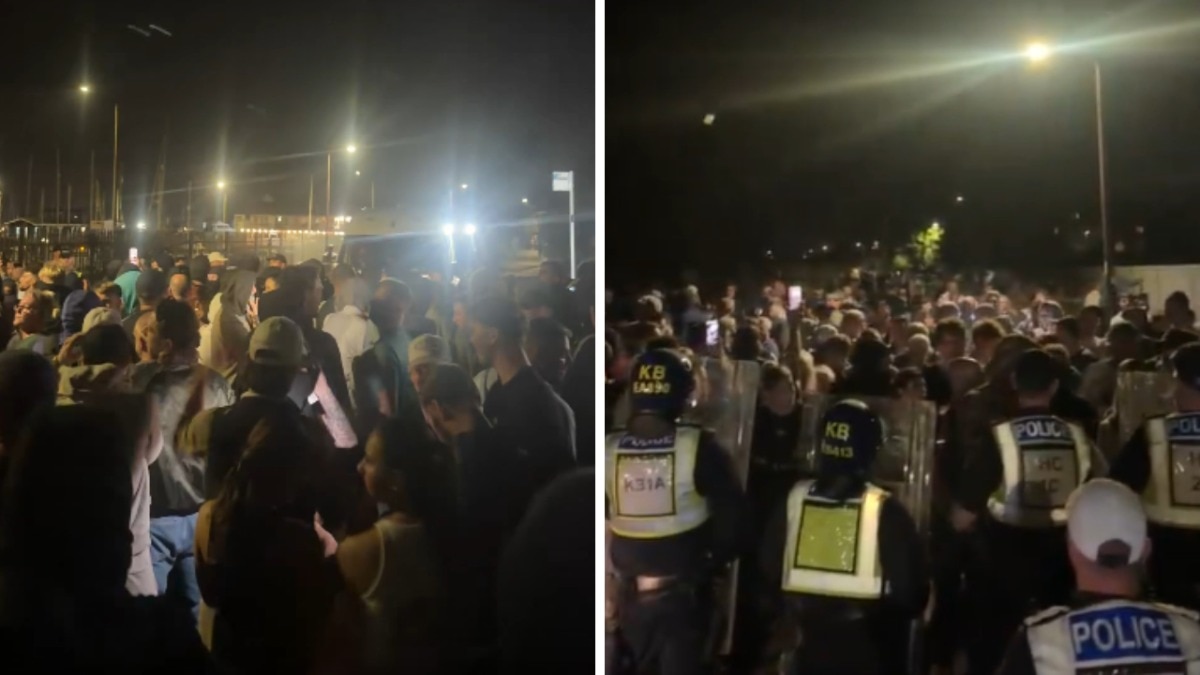
A significant flashpoint has emerged in southern England as anti-immigration sentiments boiled over in Portsmouth. Following the arrival of around 140 migrants aboard a single vessel, hundreds of demonstrators gathered near Eastney Landing on Sunday evening, causing widespread disruption and clashing with law enforcement officers.
The demonstrators aimed to obstruct authorities from transporting the migrants to the Manston processing centre in Kent. Riot police, equipped with batons and shields, were deployed to form cordons around coaches waiting to move the group. The confrontation led to significant traffic delays and heated exchanges between the crowd and the police.
Why This Matters
BozokMedia analysis shows that this incident highlights the intensifying polarization within British society regarding border control. The shift in protest tactics and the increasing scale of civil disobedience suggest that immigration remains the most volatile political issue in the United Kingdom today.
The use of longer, unconventional routes suggests that human smugglers are actively evolving their tactics to bypass heightened security in the Strait of Dover.
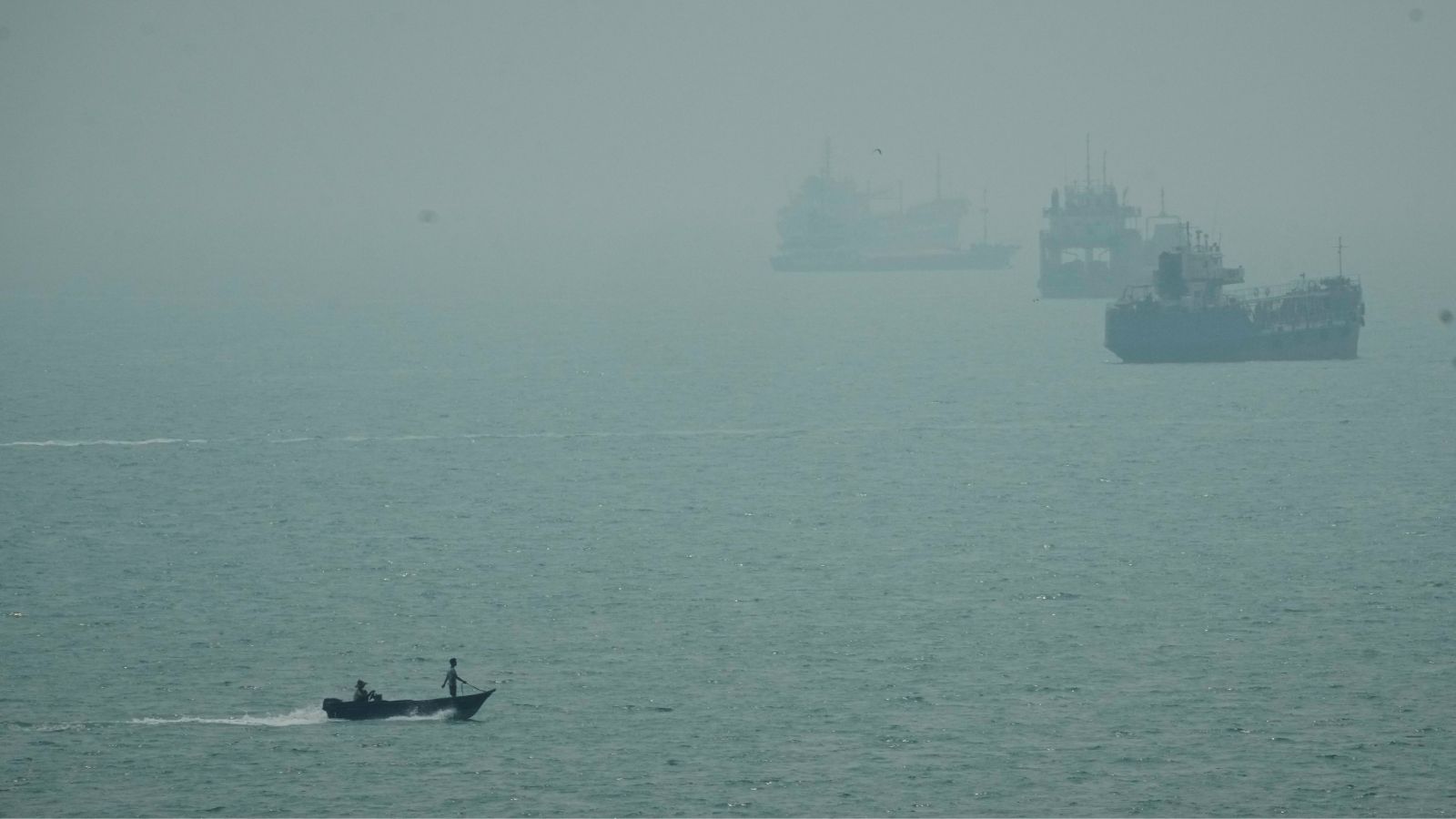
The nature of this particular crossing was highly unusual. French authorities reported that the dinghy departed from the Baie de Seine in Normandy, roughly 170 miles from the traditional departure point of Calais. This extended journey meant the vessel spent significantly more time at sea, highlighting a potential shift in smuggling strategies intended to evade robust policing.
The UK government has strongly condemned the "thuggish and intimidating behavior" exhibited by some protesters. While emphasizing that the right to peaceful protest is fundamental to democracy, officials stated that the demonstrations had crossed the line into disorder. Hampshire Police have since imposed a dispersal order to regain control of the area.
Historical Background
Small-boat crossings across the English Channel have become a defining crisis for the UK government. Despite increased maritime patrols and new legislative measures, the influx of migrants via dinghies has triggered a wave of far-right activism and large-scale public demonstrations across southern coastal towns like Dover and Portsmouth.
Frequently Asked Questions
Question 1: Why were the protesters blocking the roads in Portsmouth?
Answer: They were attempting to prevent the migrants from being moved to a processing center in Kent.
Question 2: How was this boat crossing different from others?
Answer: It originated from Normandy, making it a much longer and more dangerous 170-mile journey than typical routes.