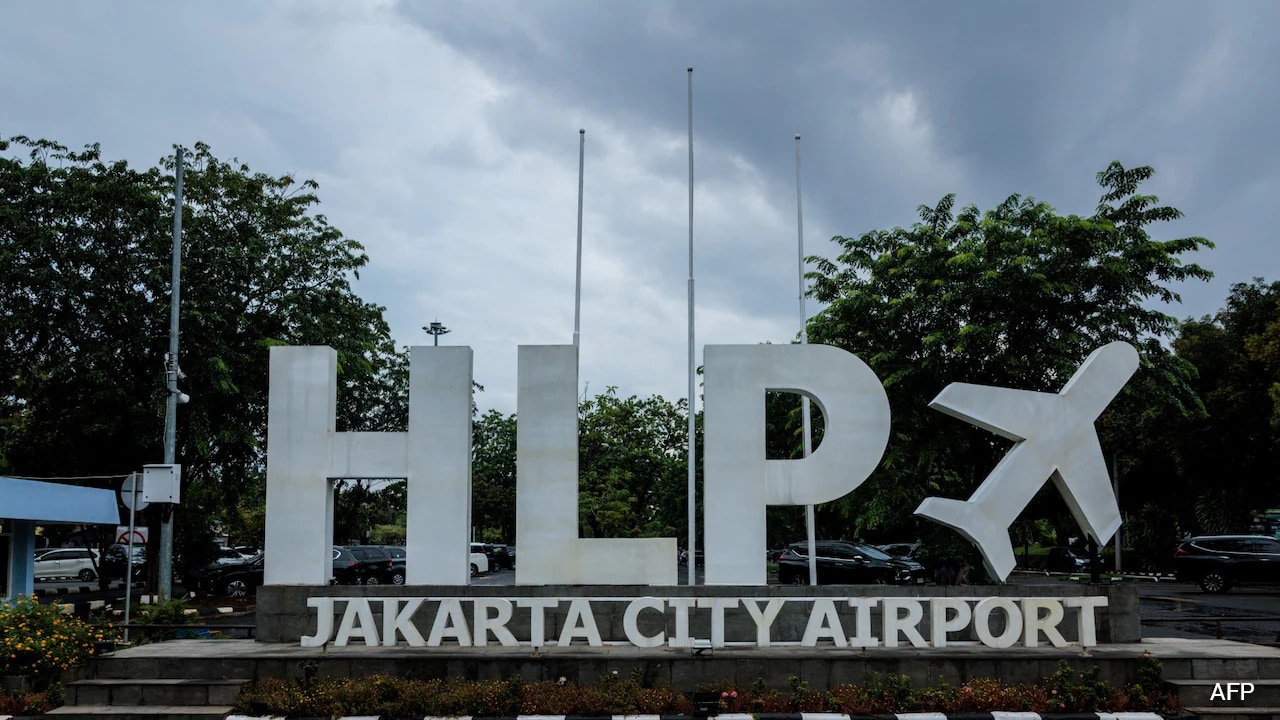
Indonesia's aviation sector sees a major recovery as Jakarta and seven other airports reopen following massive disruptions caused by volcanic ash.
- Eight airports resumed operations after a weekend-long shutdown.
- The crisis disrupted nearly 3,000 flights across the region.
- Over 340,000 passengers were stranded due to volcanic activity.
In a significant development for regional aviation, Indonesia's primary aviation hubs, including Jakarta, have officially resumed operations on Tuesday morning. The reopening comes after a period of intense disruption caused by the detection of volcanic ash within the airspace, which posed a severe threat to flight safety.
The Transport Ministry reported on Monday that the sudden influx of volcanic ash necessitated the immediate suspension of services at eight major airports. This precautionary measure was taken to prevent potential engine failures and visibility issues during takeoff and landing.
The Scale of Disruption
The impact of the ash cloud was massive, affecting the movement of thousands of travelers. According to official data, approximately 3,000 flights were halted or canceled over the weekend. This logistical nightmare left more than 340,000 passengers stranded at various terminals, causing widespread chaos in the travel industry.
Volcanic ash is highly abrasive and can cause catastrophic engine failure if ingested during flight.
Why This Matters
BozokMedia analysis shows that the frequency of such volcanic events in Indonesia highlights the extreme vulnerability of Southeast Asian air corridors. Such disruptions not only impact individual travelers but also ripple through global logistics and regional economic stability.
Historical Background
Indonesia is situated on the Pacific Ring of Fire, making it one of the most volcanically active regions in the world. Historically, volcanic eruptions in the archipelago have led to massive airspace closures, such as the 2010 Eyjafjallajökull eruption in Iceland, which demonstrated how local volcanic activity can have global aviation consequences.
Frequently Asked Questions
Q1: Why is volcanic ash dangerous for airplanes?
A: The ash can melt inside jet engines, creating a glass-like coating that can cause the engine to stall.
Q2: Are flights back to normal now?
A: While airports are open, airlines are still working through the backlog of canceled flights.