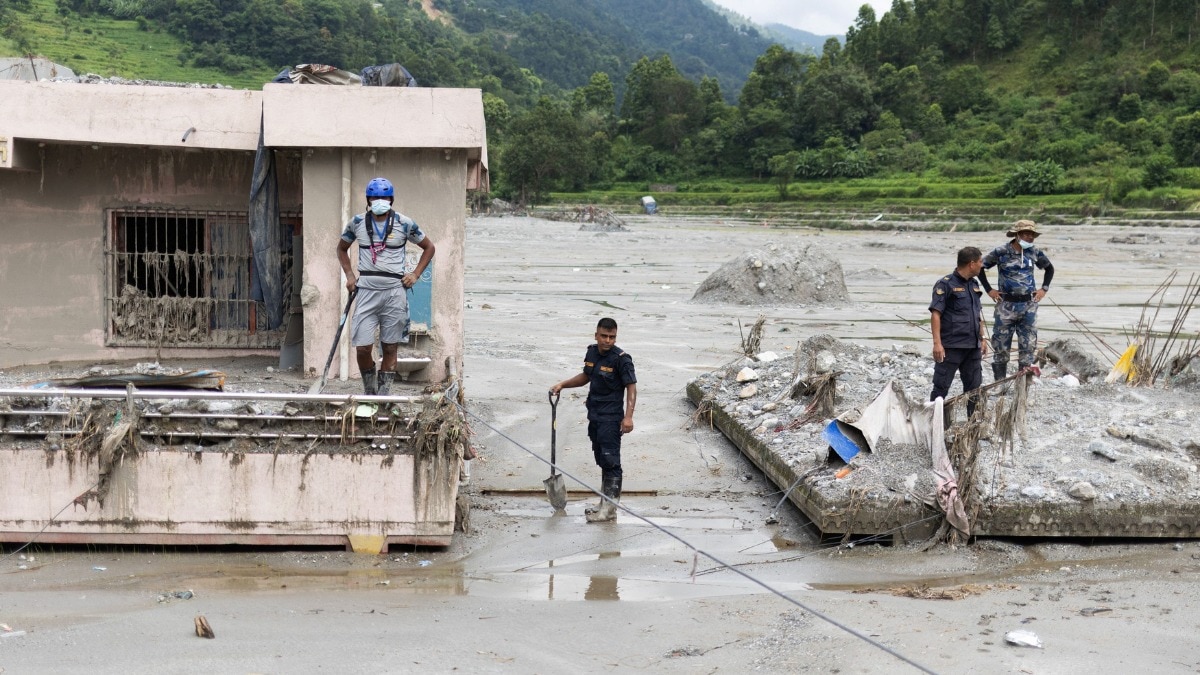
On the 13th day of the devastating flash floods in Nepal, the nation observes a day of national mourning. With over 1,340 confirmed deaths and 5,000 still missing, the search continues.
- Death toll from the August 26 flash floods has exceeded 1,340.
- Approximately 5,000 people remain missing, including 589 foreign nationals.
- Nepal has declared a national day of mourning on September 7.
- Over 32,000 families have been displaced due to the catastrophe.
Nepal stands in profound grief as it marks the 13th day since the catastrophic flash floods struck on August 26. Today, the entire nation observes a national day of mourning, with flags flying at half-mast across all government offices and Nepali embassies worldwide. The scale of the disaster is staggering, with official reports confirming over 1,340 deaths.
The most harrowing aspect of this tragedy remains the 5,000 individuals still missing. Rescue operations are currently focused on searching through debris, collapsed structures, and hydropower tunnels. Among the missing are 589 foreign nationals, highlighting the international impact of this regional disaster. Search and rescue efforts are being spearheaded by the Nepali Army and security forces, with specialized teams from India and other nations providing critical assistance.
Why This Matters
BozokMedia analysis shows that this disaster highlights the extreme vulnerability of the Himalayan region to sudden geological shifts and extreme weather. The trigger—a massive landslide and ice melt in the high altitudes of the Rasuwa district—has demonstrated how quickly localized events can escalate into national catastrophes, crippling essential infrastructure like hydropower plants and vital road networks.
Nepal is currently managing multiple high-stakes rescue operations simultaneously, each presenting unique and life-threatening challenges.
The devastation is concentrated in the Rasuwa, Nuwakot, and Dhading districts. The flooding of the Bhote Koshi and Trishuli rivers has caused widespread destruction, wiping out approximately 7,500 homes and displacing more than 32,000 families. The destruction of bridges and government buildings has further complicated the relief and rehabilitation efforts.
Historical Context and Dual Remembrance
The decision to observe mourning on the 13th day aligns with significant Hindu traditions regarding death rituals. Furthermore, the nation faces a complex emotional landscape; tomorrow, September 8, is a public holiday marking 'Gen Z Martyr Day,' commemorating those lost in last year's protests. This creates a somber atmosphere where the country mourns both natural disaster victims and political martyrs.
Frequently Asked Questions
Question 1: Which areas in Nepal are most affected by the floods?
Answer: The districts of Rasuwa, Nuwakot, and Dhading, particularly near the Bhote Koshi and Trishuli rivers, have suffered the most.
Question 2: Is international help being provided?
Answer: Yes, specialist teams from India and other international organizations are working alongside Nepali security forces.