As global power dynamics shift and US-China tensions persist, India is pivoting toward a 'strategic multi-engagement' model. This approach allows New Delhi to navigate a multipolar world without compromising its strategic autonomy.
- India has evolved from 'Non-Alignment' to 'Strategic Multi-engagement,' engaging multiple powers without formal alliances.
- The shift in US Pacific Command nomenclature and Global South dynamics have accelerated India's pursuit of independent partnerships.
- 'Neo-strategic autonomy' enables India to operate simultaneously in contrasting forums like the Quad and the SCO.
The landscape of Asian geopolitics is currently defined by significant asymmetry and competing interests. For years, the 'Indo-Pacific' narrative dominated Indian foreign policy, focusing on coalitions to balance China's rise. However, recent shifts in the US administration's rhetoric and the evolving nature of the Global South have necessitated a more nuanced approach from New Delhi.
The Rise of Strategic Multi-engagement
India is moving beyond the traditional constraints of non-alignment. While analysts like Brahma Chellaney and C Raja Mohan have used the term 'multi-alignment,' a more precise descriptor is 'strategic multi-engagement.' This strategy allows India to cultivate diverse partnerships based on specific national interests rather than ideological blocs. This is a direct result of India's robust economic growth over the last three decades, giving it the leverage to engage on its own terms.
Why This Matters
BozokMedia analysis shows that this strategy serves as a 'soft balancing' mechanism. By avoiding formal alliances, India hedges against the uncertainty of a multipolar world. It prevents India from becoming a junior partner to any superpower while ensuring it remains indispensable to both the West and the East.
"Strategic autonomy in the modern era is not about equidistance, but about the capacity to engage with all major powers without binding constraints."
This practice, termed 'neo-strategic autonomy,' has been articulated strongly by External Affairs Minister S. Jaishankar. India now employs a selective approach to multilateralism—joining the security aspects of the Quad while opting out of the trade pillar of the Indo-Pacific Economic Framework (IPEF) to protect its domestic economic interests.
Comparative Analysis of Global Engagements
| Platform | Primary Objective | India's Strategic Role |
|---|---|---|
| Quad | Free and Open Indo-Pacific | Security & Maritime Cooperation |
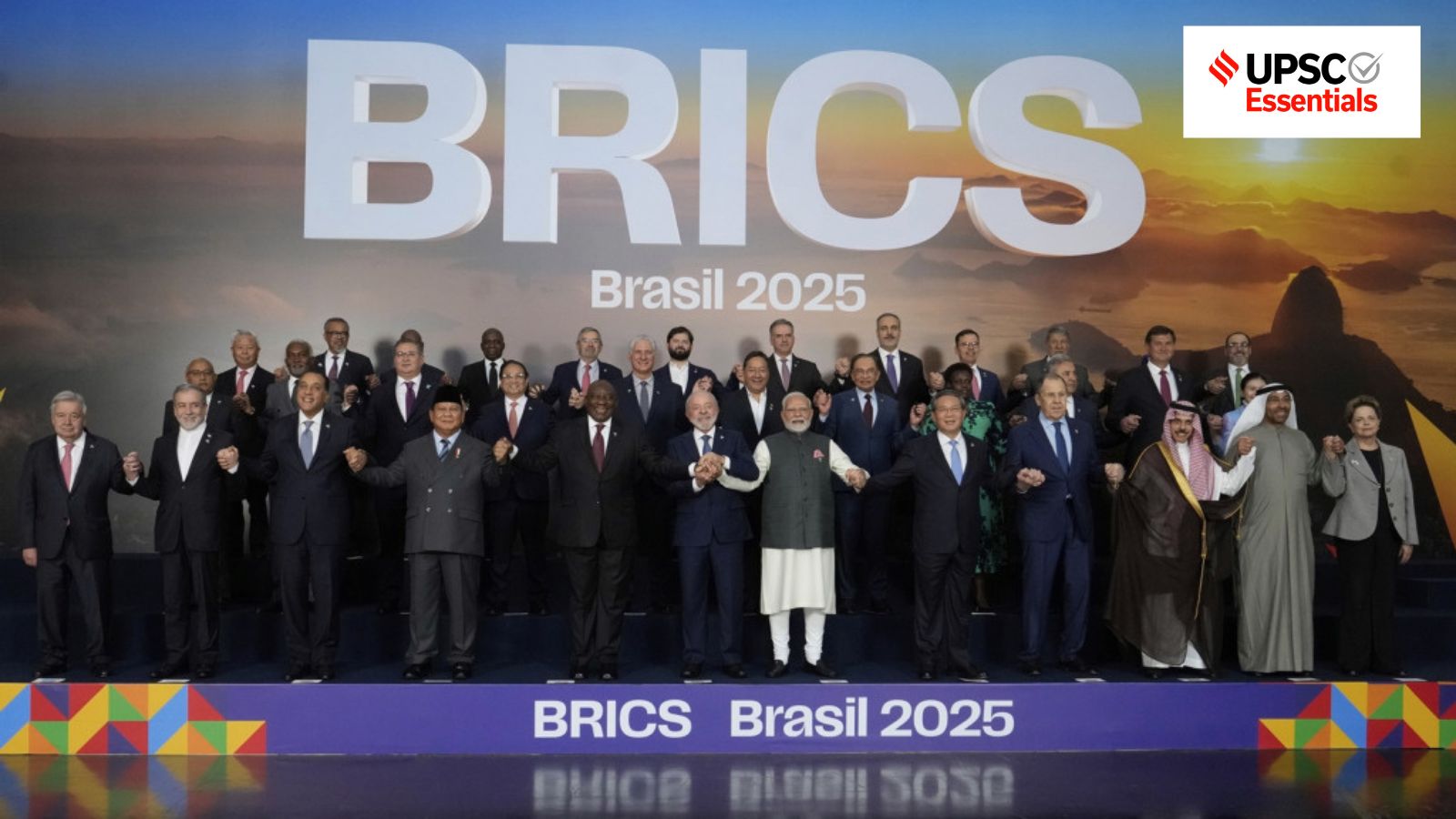
| BRICS | Global South Representation | Advocating for Multipolarity |
| SCO | Eurasian Stability | Connectivity & Counter-terrorism |
India's expansion of strategic partnerships is evident in its ties with over 45 countries. Starting with South Africa in 1997, New Delhi has upgraded its relationships with the EU, ASEAN, and various bilateral partners to reflect its evolving capabilities. This diversification ensures that India is not overly dependent on any single region for trade or security.
Frequently Asked Questions
Q1: How does strategic multi-engagement differ from non-alignment?
A: Non-alignment was about maintaining distance from power blocs; multi-engagement is about actively engaging with all blocs selectively based on national interest.
Q2: Is the recent thaw in India-China relations a result of this policy?
A: Yes, the consensus on boundary issues and resumption of flights indicate India's desire to manage regional tensions to focus on broader global ambitions.