Following tit-for-tat maritime strikes between the US and Iran, Tehran has warned of establishing a 'prohibited zone' near the Strait of Hormuz, sending oil markets into a frenzy.
- Iran warns of declaring a 'prohibited zone' near the Strait of Hormuz.
- US-Iran maritime strikes have caused a significant spike in global oil prices.
- Brent crude rose to $96.80, while WTI climbed to $92.14 per barrel.
The geopolitical landscape in the Middle East has entered a volatile new phase. Iran has announced its intention to declare a 'prohibited zone' near the Strait of Hormuz in the coming days. This move comes as a direct response to escalating military tensions and tit-for-tat strikes on vessels sailing through the critical maritime corridor.
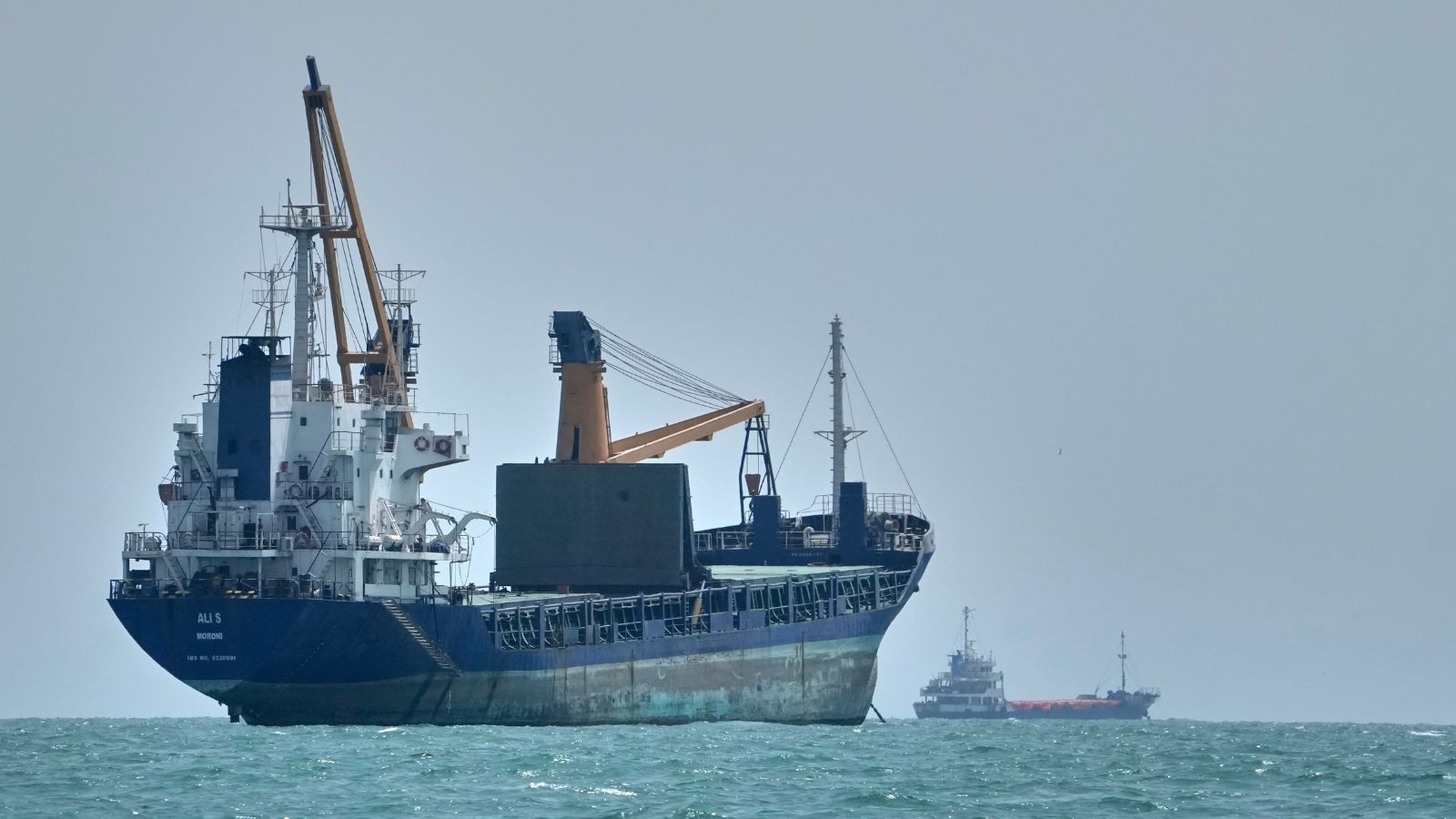
Recent military escalations saw US Central Command (CENTCOM) confirm that US forces struck three Iranian oil tankers on Saturday. Notably, one of these strikes occurred off the coast of Kharg Island, a vital hub for Iran's oil exports. These targeted strikes have disrupted established shipping lanes and heightened fears of a long-term supply disruption.
Why This Matters
BozokMedia analysis shows that the Strait of Hormuz is the world's most sensitive energy artery. With approximately one-fifth of the world's total oil supply transiting through this narrow passage, any military intervention or declaration of a 'prohibited zone' could trigger a global economic shockwave and uncontrollable energy inflation.
The militarization of the Strait of Hormuz represents the single greatest threat to global energy security in the modern era.
The financial markets reacted swiftly to the news. Brent crude futures climbed 0.54% to reach $96.80 per barrel. Similarly, US West Texas Intermediate (WTI) rose 0.72% to $92.14 per barrel. The volatility is unprecedented, with WTI gaining nearly 10% over the past week as fears of supply shortages intensify.
Historical Background
The Strait of Hormuz has long been a flashpoint for international conflict. As a narrow chokepoint connecting the Persian Gulf to the Gulf of Oman, it serves as the primary exit point for oil from the Middle East. Historically, various powers have used the threat of closing this strait as a geopolitical lever, knowing that its closure would paralyze global markets.
Frequently Asked Questions
Question 1: What is the impact of Iran's 'prohibited zone' threat?
Answer: It threatens to restrict commercial shipping, potentially cutting off a massive portion of the world's oil supply.
Question 2: Why are oil prices rising so fast?
Answer: Prices are surging due to the increased risk of supply disruptions caused by direct military conflict between the US and Iran.