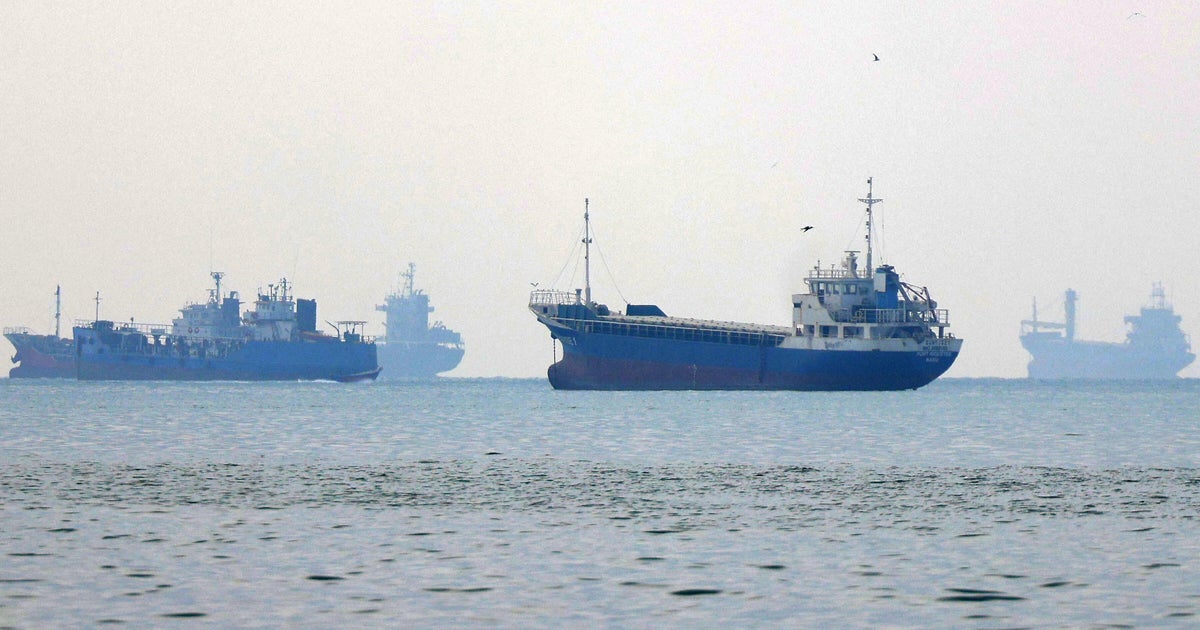
Coordinated strikes by Houthi rebels have set fire to key Saudi oil sites and injured 73 people, escalating tensions in the Middle East and threatening global energy stability.
- Houthi rebels targeted critical Saudi oil infrastructure.
- At least 73 individuals reported injured in the blasts.
- Significant risk to global energy markets and regional stability.
The Middle East is once again on high alert as Houthi rebels from Yemen launched a series of devastating strikes against Saudi Arabian oil installations. The attacks triggered massive fires at multiple sites, leading to casualties with at least 73 people wounded in the resulting explosions and chaos.
These strikes occur amidst a fragile geopolitical climate where diplomatic efforts have struggled to curb the violence. The precision and scale of the attacks suggest a sophisticated intelligence operation aimed at the heart of the Kingdom's economic engine.
Why This Matters
BozokMedia analysis shows that these attacks are not merely military strikes but strategic attempts to exert economic pressure on the Saudi government. By targeting oil facilities, the Houthis are signaling their ability to disrupt the global energy supply chain, which could force a diplomatic shift in the ongoing conflict.
"The targeting of energy infrastructure represents a shift toward asymmetric warfare designed to maximize economic damage over territorial gain."
Historically, the conflict between the Saudi-led coalition and the Houthi movement has been characterized by a proxy struggle involving regional powers. The Houthis' ability to penetrate Saudi airspace and strike high-value targets underscores a persistent security gap that continues to plague the region.
Frequently Asked Questions
Q1: Who are the Houthi rebels?
A: The Houthis are a Zaydi Shia political-military movement from Yemen that has been in conflict with the internationally recognized government and Saudi Arabia.
Q2: How does this impact global oil prices?
A: Attacks on production facilities create fear of supply shortages, which typically leads to a spike in global oil prices.