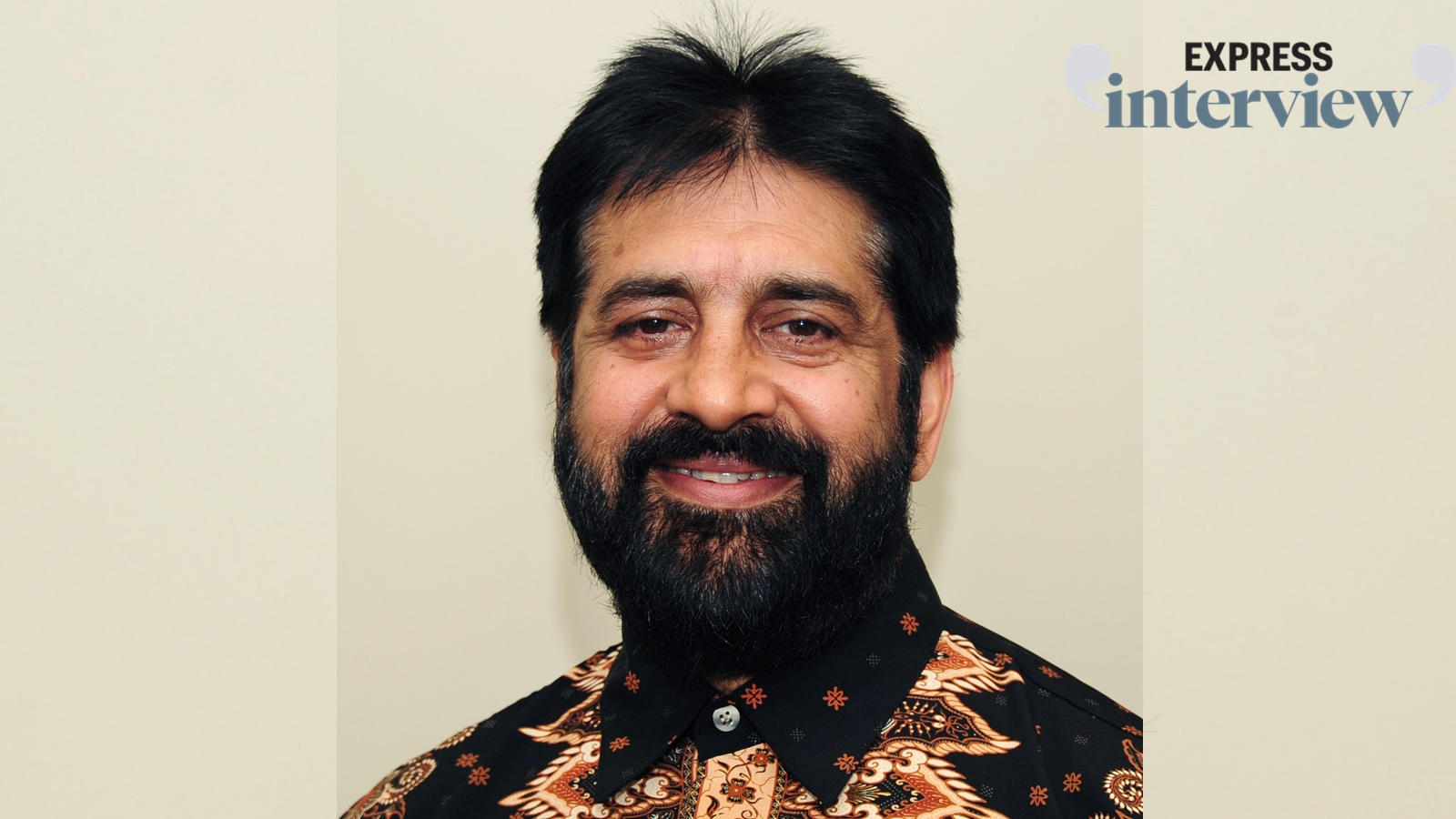
South African High Commissioner Anil Sookal highlights India's unique position as a trusted bridge between developed and developing nations ahead of the 18th BRICS Summit, emphasizing the urgent need for UN reforms.
- India has achieved rare diplomatic acceptance among both the Global North and the Global South.
- The paralysis of the UN Security Council is a critical issue requiring urgent structural reform.
- Food and energy security have become the primary concerns for low-income nations.
- The trust between PM Modi and President Putin is pivotal for potential conflict resolution.
Ahead of the 18th BRICS Leaders’ Summit in New Delhi, South African High Commissioner to India, Anil Sookal, provided deep insights into the shifting dynamics of global power. In a comprehensive interview, Sookal underscored that in a world increasingly divided into ideological camps, the BRICS bloc stands as a beacon of leadership for the 'global majority'.
Sookal pointed out a glaring disparity in global governance: while the Global South constitutes 85 percent of the world's population, it remains largely sidelined in decisions that impact its survival. He argued that BRICS is the most viable vehicle to send a powerful message that the world desires an equitable, inclusive, and peaceful global community.
Why This Matters
BozokMedia analysis shows that India's ability to maintain cordial relations with both the West and the East—despite geopolitical tensions—positions it as an indispensable 'stabilizer'. This diplomatic agility allows India to champion the cause of developing nations while remaining an integral partner for the Global North in technology and security.
A significant portion of the discussion focused on the 'paralysis' of the UN Security Council. Sookal lamented the absence of permanent representation for Africa and Latin America, asserting that a governance architecture created in 1945 is no longer fit for the 21st century. He reiterated the joint aspiration of India, Brazil, and South Africa for permanent seats.
"India possesses a unique trust factor; the world recognizes that New Delhi operates without a hidden agenda, allowing it to bridge the gap between the North and South."
The High Commissioner also linked geopolitical conflicts to grassroots suffering. He noted that tensions between the US and Iran, and the war in Ukraine, have triggered surges in energy prices and fertilizer shortages, directly exacerbating poverty and food insecurity in low-income countries.
Regarding the India-China relationship, Sookal emphasized the historical precedent of coexistence. He noted that as the two most powerful economies of the coming century, India and China must find a way to balance their ambitions, describing President Xi's attendance at the summit as a positive diplomatic signal.
Frequently Asked Questions
Q1: Why is the reform of the UN Security Council critical for BRICS?
A: Because the current structure lacks representation from the Global South, making it unable to effectively resolve modern global conflicts.
Q2: How does India amplify the voice of the Global South?
A: By leveraging its trust with global leaders (like Putin and Western heads of state) to advocate for food security, energy stability, and fair trade.

