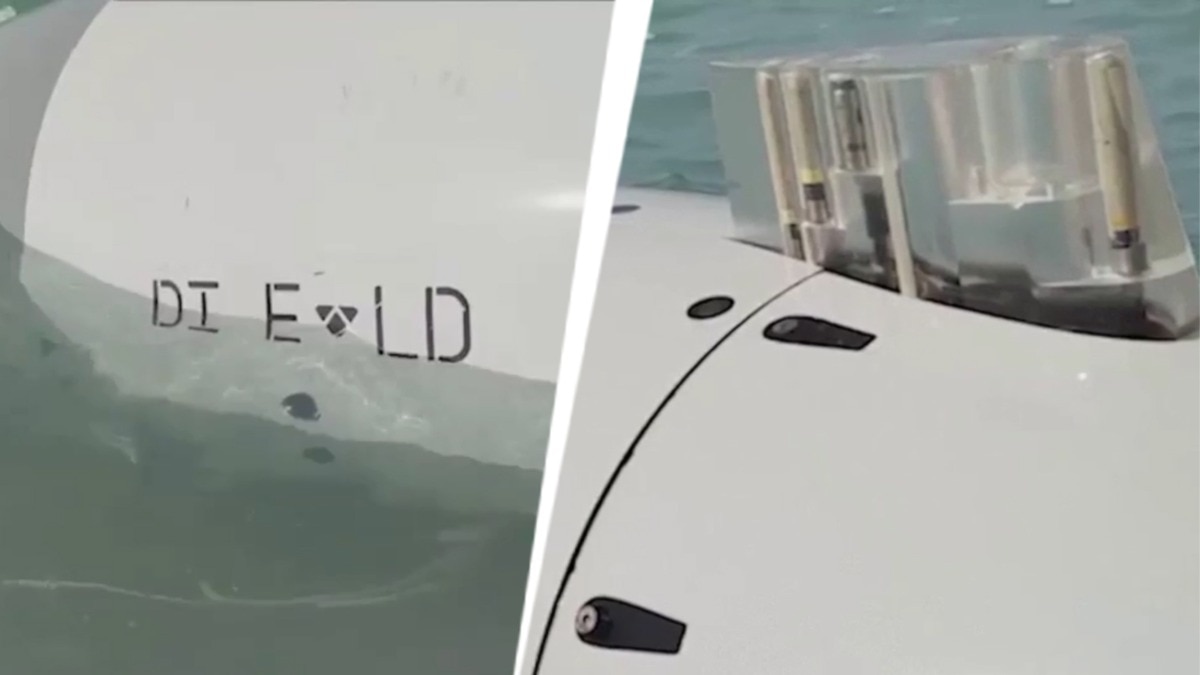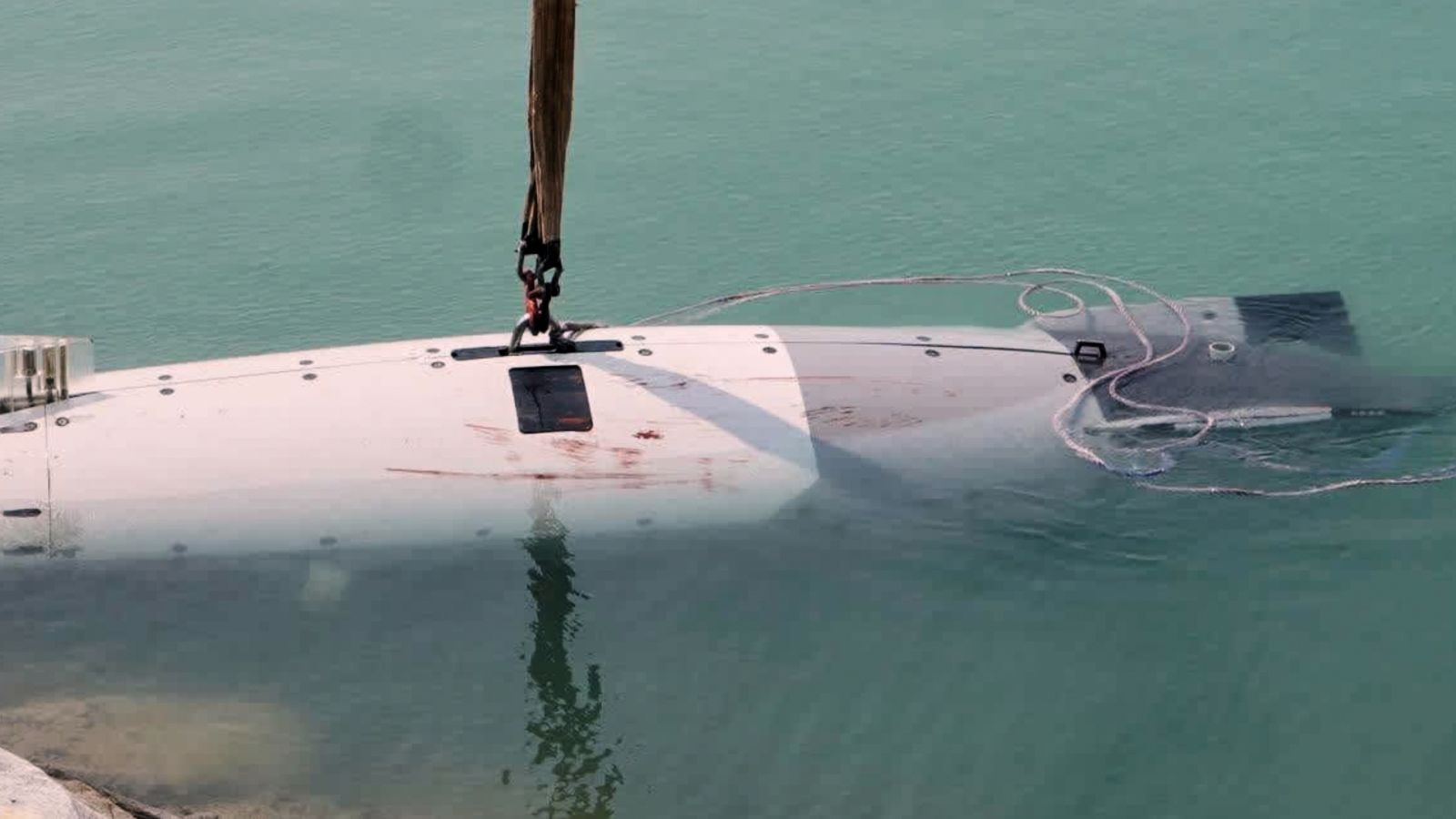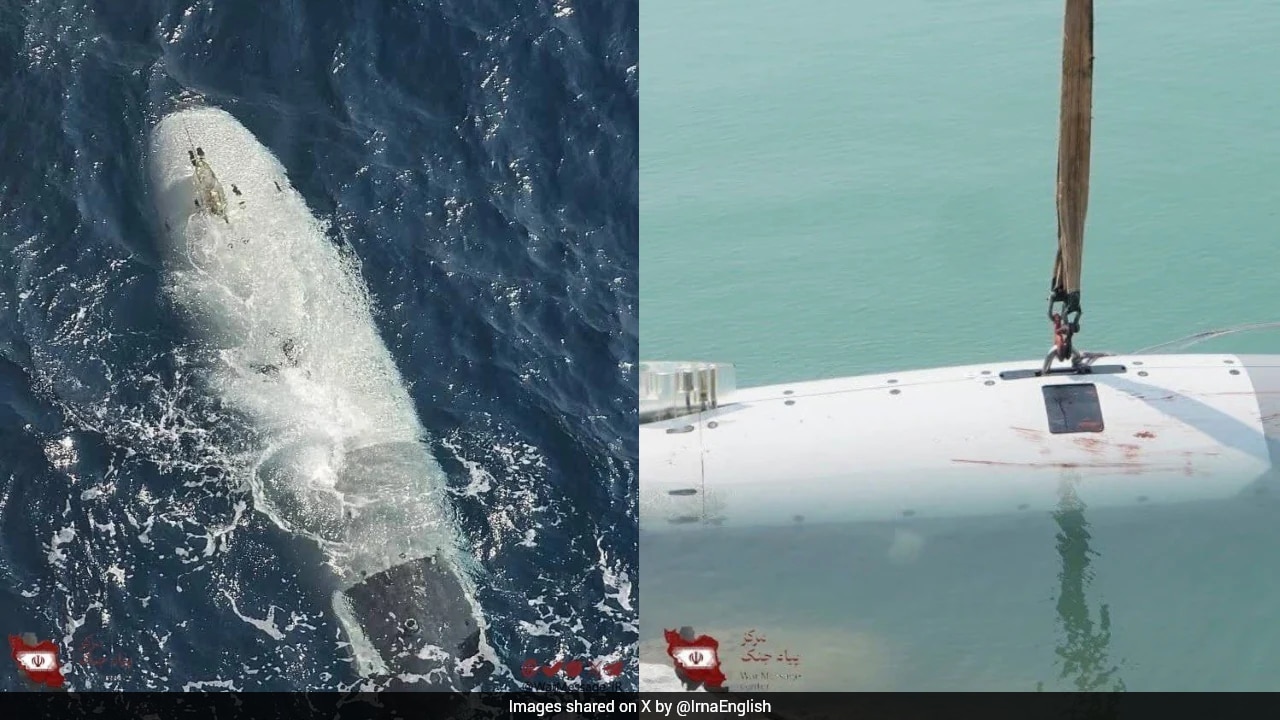
In a shocking escalation, Iran has captured a US submarine in the Strait of Hormuz following attacks on five oil tankers, highlighting the volatility of the region.
- Iran has captured a US submarine in the strategically vital Strait of Hormuz.
- The seizure follows a series of attacks on five oil tankers in the region.
- The US is pivoting toward unmanned naval systems to reduce costs and risks.
Tensions in the Strait of Hormuz have reached a breaking point following the reported capture of a US submarine by Iranian forces. This incident occurs against a backdrop of heightened instability, specifically following targeted attacks on five oil tankers, which have sent ripples through global energy markets.
The US military is currently undergoing a strategic shift, investing heavily in unmanned naval systems. These include both underwater and surface vessels designed to provide a cost-effective alternative to manned fleets. The goal is to monitor vast expanses of the ocean, gather critical intelligence, and track adversary movements without risking human lives.
Why This Matters
BozokMedia analysis shows that this incident underscores the transition toward 'attrition warfare' using autonomous assets. By shifting to unmanned systems, the US aims to maintain a persistent presence in contested waters like the Persian Gulf while minimizing the political fallout of personnel capture.
"The integration of autonomous underwater vehicles is fundamentally altering the balance of power in maritime chokepoints."
Historically, the Strait of Hormuz has been a flashpoint for conflict due to its role as the world's most important oil transit point. Any disruption here leads to immediate spikes in global crude prices, making it a potent tool for geopolitical leverage.
To counter such threats, the US is deploying advanced tech like the Dive-LD, which can operate for up to 10 days without returning to base. This capability allows for deep-sea surveillance and intelligence gathering that was previously impossible with standard manned submarines.
Frequently Asked Questions
Q1: Why is the Strait of Hormuz strategically important?
A: It is the primary artery for global oil exports from the Middle East to the rest of the world.
Q2: What are unmanned naval systems?
A: These are autonomous or remotely operated drones and ships used for surveillance and combat without a crew on board.