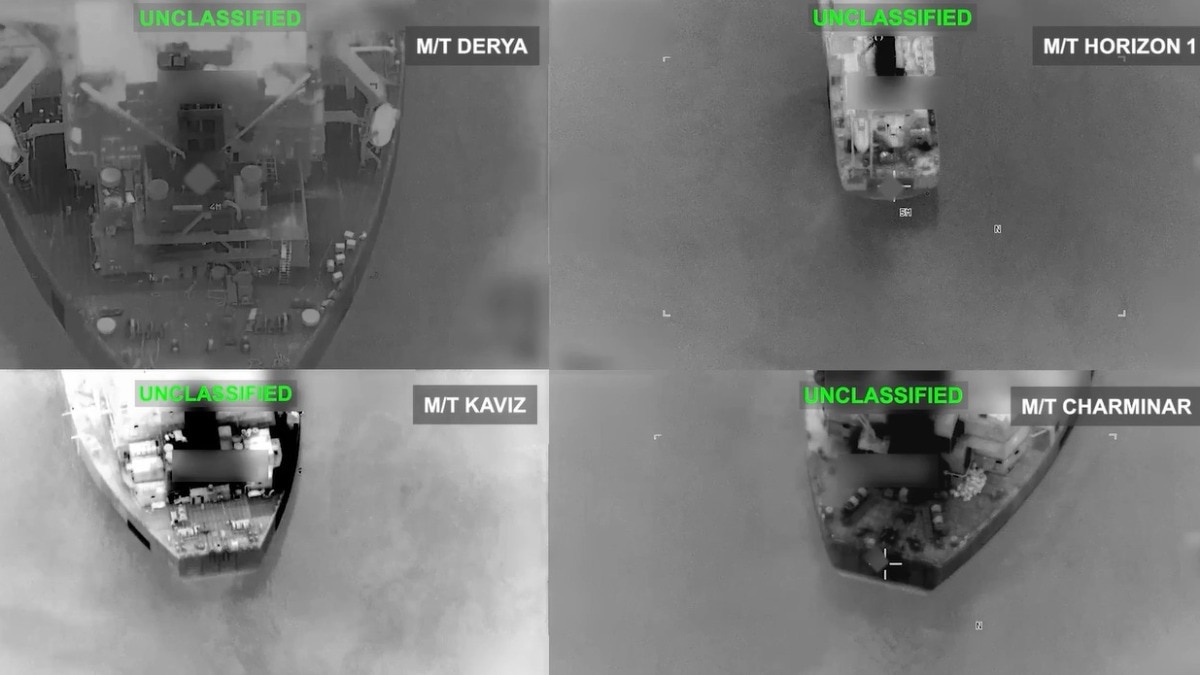
Secretary of State Marco Rubio has issued a stern warning to Iran, stating that any further attacks on US warships will result in the destruction of Iranian oil tankers.
- Secretary of State Marco Rubio warns of retaliatory strikes on Iranian oil assets.
- Iran claims attacks on 2 US vessels and 18 other ships in the Gulf.
- Strategic shift toward economic attrition to deter Iranian maritime aggression.
Tensions in the Middle East have escalated sharply as US Secretary of State Marco Rubio issued a direct warning to Tehran. During a diplomatic visit to Colombia, Rubio declared that the United States will not stand by while its naval assets are targeted. He explicitly stated that for every attempt Iran makes to hit US naval ships, they will lose oil tankers in return.
This warning comes amidst reports from Iranian Guards claiming they have targeted 2 US vessels, 8 tankers, and 10 other ships within the Gulf and the Strait of Hormuz. This critical waterway is the world's most important oil chokepoint, making any military action there a high-stakes gamble for global stability.
Why This Matters
BozokMedia analysis shows that the US is moving beyond traditional naval skirmishes and is now leveraging Iran's economic vulnerability. By targeting tankers, the US is effectively threatening Iran's primary source of foreign currency, turning a tactical military conflict into a strategic economic war.
"The shift toward targeting economic assets indicates that the US is prioritizing deterrence through financial pain over conventional military escalation."
Historically, the Strait of Hormuz has been a flashpoint for conflict. Any prolonged disruption in this region leads to immediate volatility in global Brent crude prices, affecting everything from transportation costs to consumer goods worldwide. The current rhetoric suggests a move toward a 'tanker war' reminiscent of the 1980s.
The US administration's stance is clear: the cost of attacking US warships will now be paid in oil. By linking naval security to oil exports, Washington is attempting to create a cost-benefit analysis for Tehran that makes aggression too expensive to maintain.
Frequently Asked Questions
Q1: Why is the US targeting tankers instead of military bases?
A: Oil tankers represent Iran's economic lifeline; targeting them provides immediate financial pressure without necessarily triggering a full-scale land war.
Q2: How does this affect global oil prices?
A: Increased risk in the Strait of Hormuz typically leads to a 'risk premium' in oil prices, causing costs to rise globally.