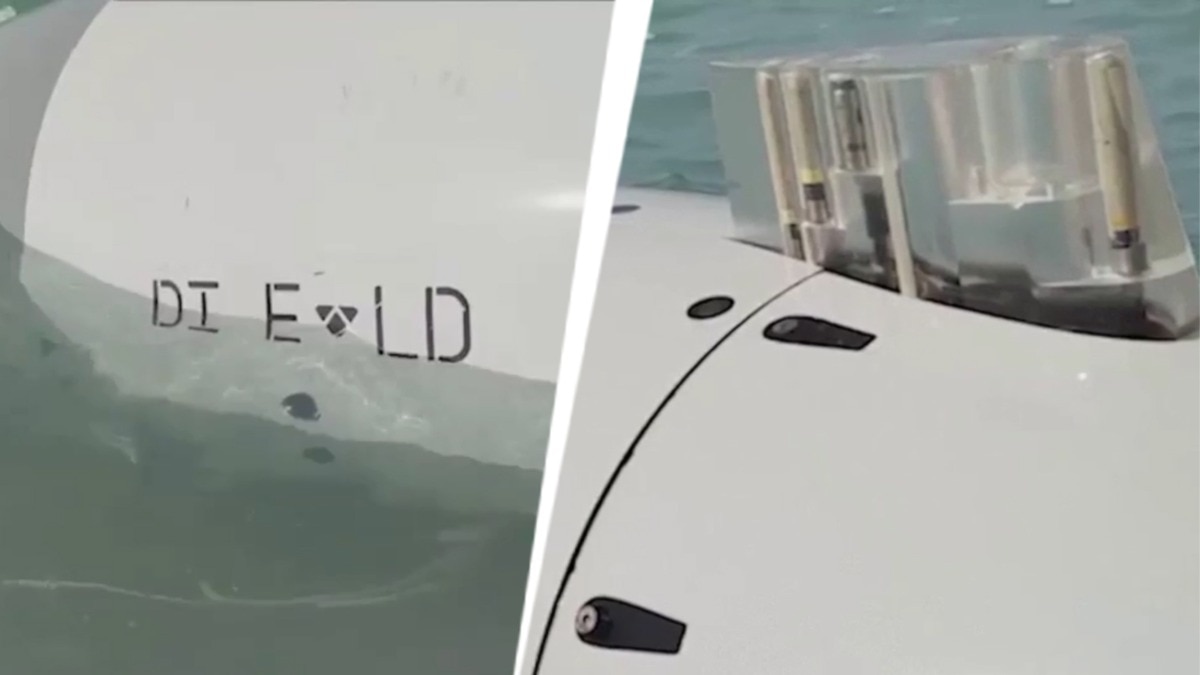
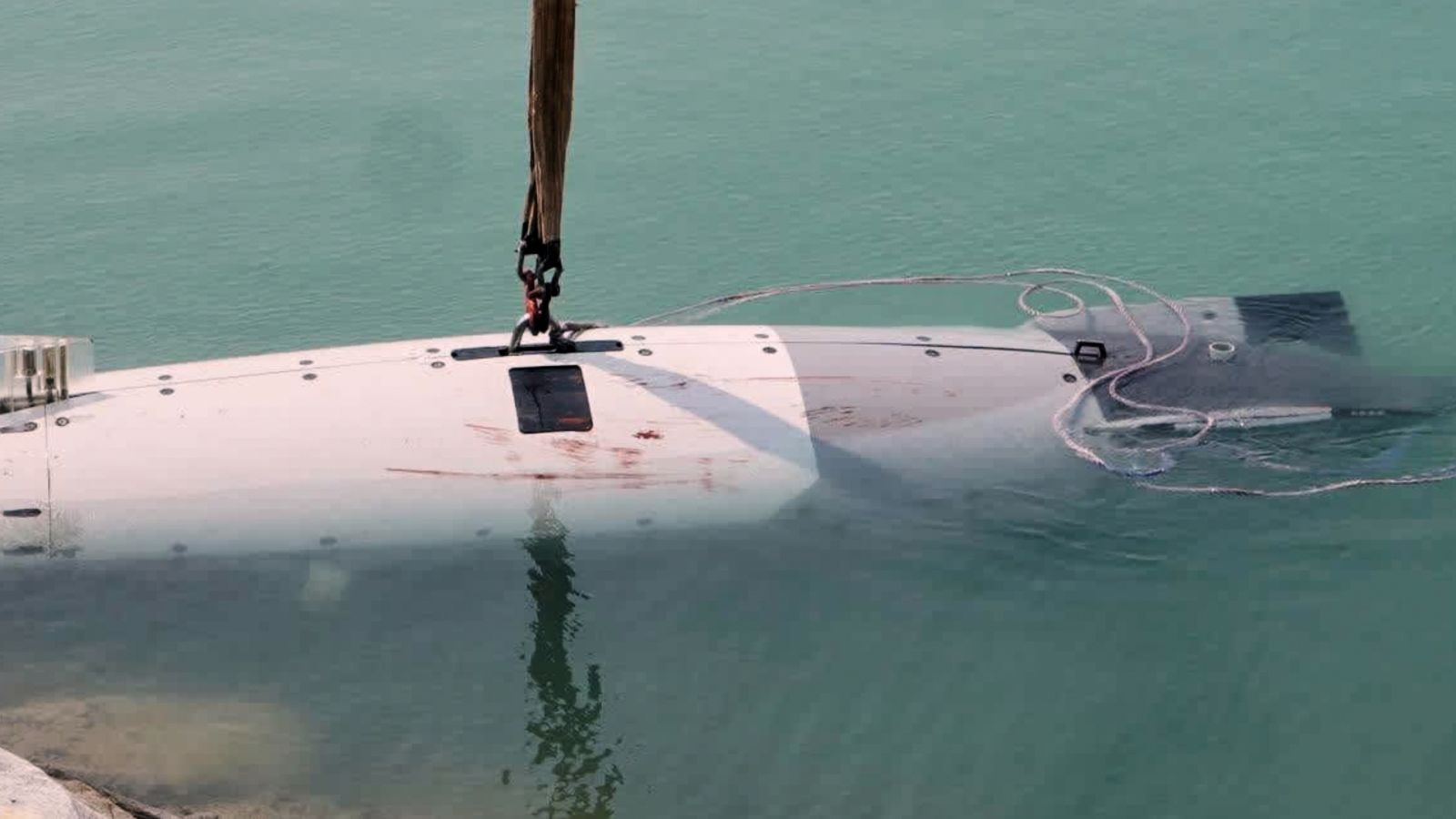
The United States military has dismissed claims by Iran regarding the capture of a US submarine, asserting that an underwater drone simply malfunctioned. This escalation comes amid heightened tensions and threats of 'economic warfare' in the Gulf region.
- US military clarifies that a malfunctioned underwater drone was mistaken for a captured submarine.
- Iran continues to signal aggression with threats of missile strikes and 'economic warfare'.
- Tensions rise in the Middle East with suspected support from Russia and China for Tehran.
The geopolitical friction between the United States and Iran has reached a new boiling point following the release of a controversial video by Tehran. The footage, which purportedly shows a captured American submarine, has been met with a swift and firm denial from the US Department of Defense. Officials have clarified that the object in question was not a crewed submarine but an unmanned underwater drone that suffered a technical malfunction while operating in the Middle East.
This incident is not an isolated event but part of a broader pattern of escalating hostilities. Recent reports indicate that Iran has launched further attacks on US Navy ships, raising international concerns about the potential involvement of China and Russia. The strategic partnership between these global powers and Iran is seen as a significant challenge to Western hegemony in the Persian Gulf.
Why This Matters
BozokMedia analysis shows that the 'drone vs submarine' narrative is less about the hardware and more about psychological warfare. By claiming to capture high-value US assets, Iran aims to project strength and deter US naval presence in the Strait of Hormuz. Conversely, the US insistence on a 'malfunction' is a strategic move to downplay Iranian capabilities and maintain a posture of technological superiority.
"The weaponization of misinformation in the Gulf is now as critical as the deployment of actual missiles."
Beyond the naval skirmishes, Iran has expanded its threat matrix to include 'economic warfare' and the establishment of a Gulf exclusion zone. This could potentially disrupt global oil supplies, leading to extreme volatility in energy markets. The threat of retaliation over strikes on energy facilities further complicates the diplomatic landscape, making a peaceful resolution increasingly elusive.
Historical Background
The rivalry between the US and Iran dates back to the 1979 Islamic Revolution and the subsequent hostage crisis. For decades, the two nations have engaged in a shadow war, characterized by sanctions, cyberattacks, and proxy conflicts across the Middle East. The current tension over naval assets is a modern iteration of this long-standing struggle for regional dominance.
| Feature | Iran's Claim | US Official Position |
|---|---|---|
| Asset Type | Captured Submarine | Malfunctioned Drone |
| Outcome | Strategic Victory | Technical Failure |
| Intent | Deterrence | Routine Operation |
Frequently Asked Questions
Was any US personnel captured in the incident?
No, the US military stated the equipment was an unmanned drone, meaning no personnel were on board.
What is 'economic warfare' in this context?
It refers to Iran's threat to disrupt oil exports and trade routes to pressure the US and its allies.