A violent military clash between the US and Iran in the Strait of Hormuz has resulted in the destruction of 15 vessels, triggering a massive surge in global crude oil prices.
- Severe military clash in the Strait of Hormuz resulting in 15 vessels destroyed.
- Brent Crude prices surged past $100 per barrel for the first time since July.
- Iran launched ballistic missiles at a US military base in Jordan.
- IRGC threatens to establish a vast 'No-Go Zone' extending to Chabahar.
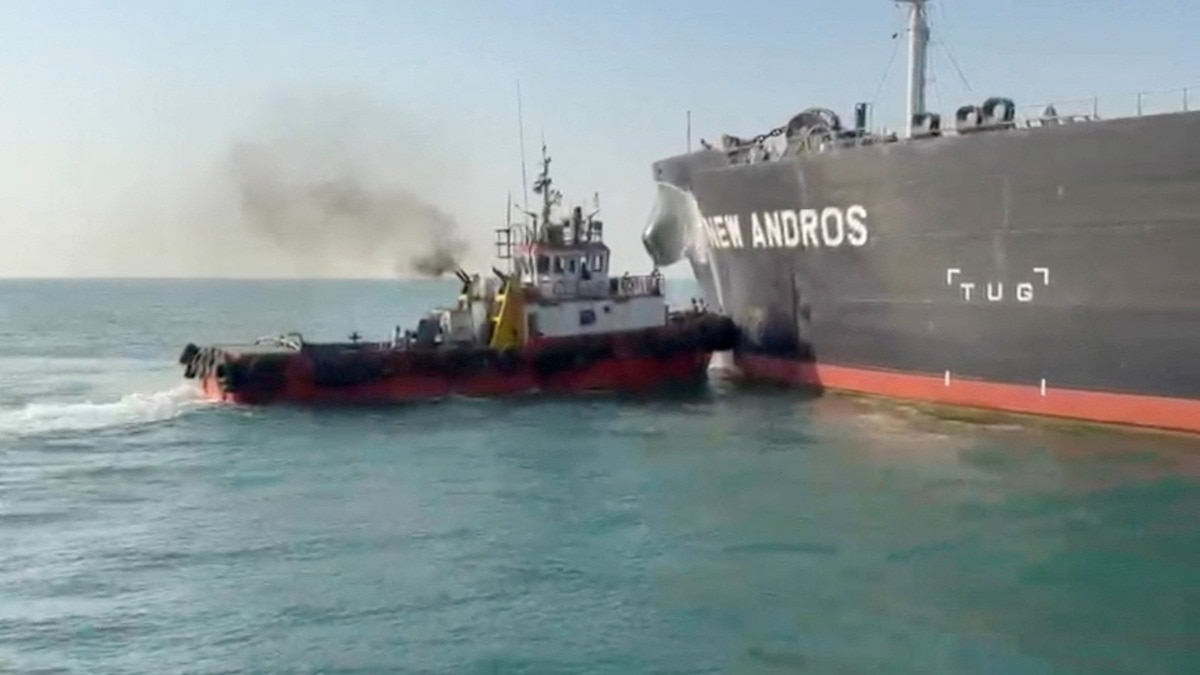
The Strait of Hormuz, one of the world's most critical maritime chokepoints, has transformed into a high-intensity combat zone. In a series of retaliatory strikes on Wednesday, the United States and Iran engaged in a fierce naval battle, leading to the destruction of 15 ships. This marks the most significant escalation in the six-month-long ongoing conflict between the two powers.
The violence intensified after the US military destroyed five Iranian oil tankers. According to US Central Command, this operation was a direct response to ballistic missile attacks launched by the Islamic Revolutionary Guard Corps (IRGC) against US Navy warships over the previous 48 hours. In retaliation, Iran claims to have sunk two US vessels and eight oil tankers, causing millions of barrels of crude oil to ignite in massive maritime fires.
Why This Matters
BozokMedia analysis shows that this confrontation transcends bilateral military friction; it is a direct assault on global energy stability. Because the Strait of Hormuz is the primary artery for global oil transit, any disruption here leads to immediate volatility in energy markets. The jump of Brent Crude futures beyond the $100 mark is a clear indicator of the market's fear of a prolonged supply disruption.
The conflict expanded beyond the sea when Iran targeted the Al-Azraq US military base in Jordan with ballistic missiles. While Jordan's air defense systems reportedly intercepted 18 out of 20 missiles, the act signals Iran's willingness to expand the theater of war to sovereign territories in the Middle East.
"The weaponization of shipping lanes in the Gulf creates a systemic risk for global trade that could trigger a worldwide inflationary spiral."
US Secretary of State Marco Rubio, speaking during a visit to Colombia, asserted a new policy of deterrence, stating that every time Iran targets US Navy ships, they will lose their own tankers. Conversely, the IRGC has warned that for every single attack, they will strike 20 targets and are preparing a new map for a 'No-Go Zone' extending as far as Chabahar.
Adding to the regional volatility, the escalating conflict between Saudi Arabia and the Houthis in Yemen has opened a 'second front,' further jeopardizing the security of global energy supplies coming out of the Middle East.
| Party | Assets Destroyed/Targeted | Primary Action |
|---|---|---|
| United States | 5 Iranian Tankers | Precision strikes on energy assets |
| Iran | 2 US Ships + 8 Tankers | Ballistic missiles & Drone strikes |
Frequently Asked Questions
1. How did this conflict impact global oil prices?
The instability led to a spike in Brent Crude futures, pushing prices above $100 per barrel due to supply chain fears.
2. What is the 'No-Go Zone' mentioned by Iran?
Iran has threatened to declare a restricted maritime zone extending to Chabahar, where foreign vessels would be prohibited from entering.