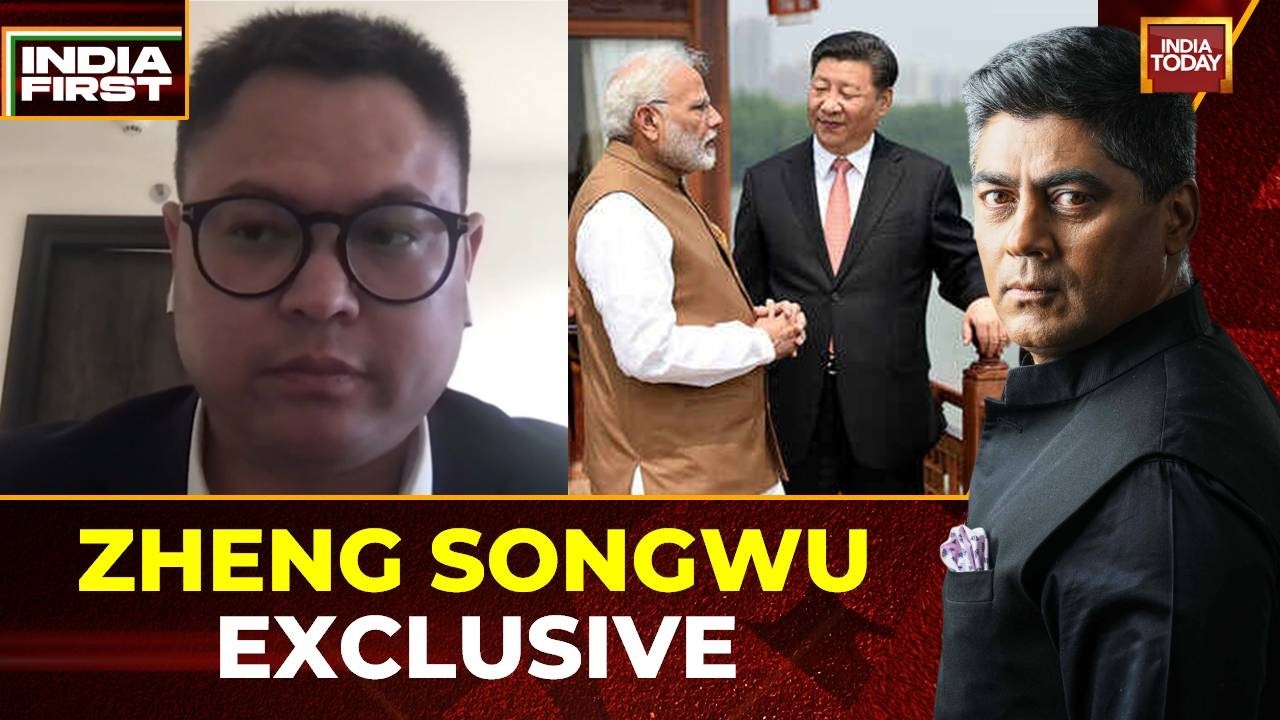
New Delhi gears up for the 18th BRICS Summit as Chinese President Xi Jinping confirms his visit. The summit is expected to center on restoring peace along the LAC and repairing strained diplomatic ties.
- President Xi Jinping visits India for the first time since the 2020 Galwan clashes.
- The bilateral agenda focuses on LAC stability, border de-escalation, and boundary disputes.
- Discussions likely to cover trade deficits, visa processes, and direct flight restoration.
The stage is set for the 18th BRICS Summit in New Delhi, a gathering of global leaders representing a massive portion of the world's population, trade, and economic output. The headline of this summit is the confirmed visit of Chinese President Xi Jinping, marking a pivotal moment in Indo-China relations.
This visit is particularly significant as it is President Xi's first trip to India since the 2019 Mamallapuram engagement and the subsequent 2020 Galwan Valley clashes. While Prime Minister Narendra Modi and President Xi have interacted in Kazan, Tianjin, and Bishkek, a formal visit to India signifies a potential thaw in the frosty diplomatic atmosphere.
Why This Matters
BozokMedia analysis shows that this summit serves as a critical litmus test for the 'stability' of the Asian continent. The transition from military confrontation to diplomatic dialogue at the BRICS level indicates that both nations recognize the economic cost of prolonged hostility. A breakthrough here could redefine global supply chains and regional security architectures.
"The restoration of diplomatic norms is a prerequisite for economic cooperation, but border peace remains the non-negotiable foundation."
The potential bilateral meeting is expected to tackle several thorny issues. Primary on the agenda is the Line of Actual Control (LAC), specifically focusing on peace, stability, and the complete de-escalation of troops. Furthermore, the boundary dispute and the persistent trade deficit between the two giants will be under the microscope.
Operational diplomatic hurdles, such as the streamlining of visa processes and the resumption of direct flights—which were halted during the pandemic and exacerbated by political tension—are also expected to be discussed to facilitate people-to-people ties.
Recent high-level engagements, including talks between National Security Advisor Ajit Doval in China and multiple corps commander-level meetings in the Eastern Sector, suggest that the groundwork for this visit has been meticulously laid. However, challenges such as China's claims over Arunachal Pradesh and concerns over water resources remain significant roadblocks.
Historical Background
Indo-China relations have been characterized by a cycle of cooperation and conflict since the 1962 war. The 2020 Galwan clash represented the lowest point in decades, shifting India's policy toward a 'peace and tranquility' mandate as a prerequisite for normalizing ties. The current BRICS summit provides a multilateral cover for bilateral reconciliation.
Frequently Asked Questions
1. Is a separate bilateral meeting between PM Modi and President Xi guaranteed?
While not officially confirmed as a separate event, a bilateral session on the sidelines of the summit is highly anticipated.
2. What are the main obstacles to normalizing ties?
The primary obstacles are the unresolved boundary disputes and the military buildup along the LAC.