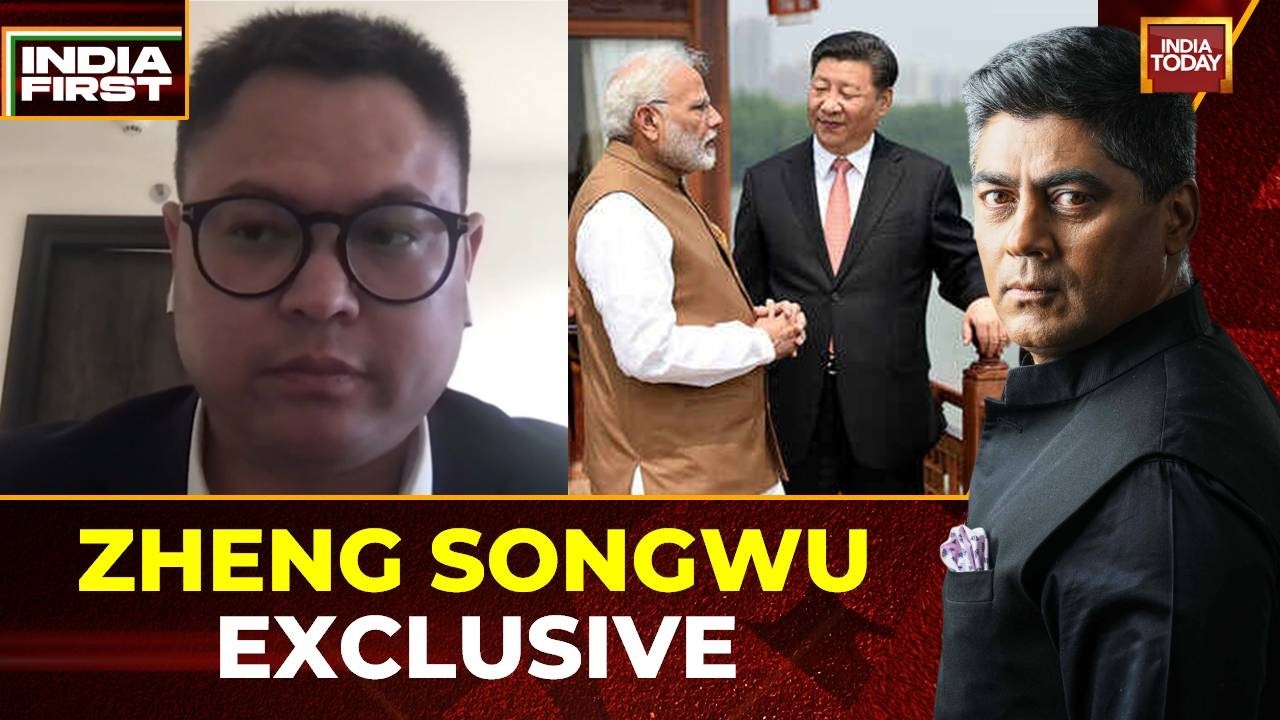
Chinese President Xi Jinping is set to visit New Delhi for the 18th BRICS Summit. The visit marks a pivotal moment for India-China ties, focusing on LAC stability and diplomatic restoration.
- President Xi Jinping's first visit to India since the 2019 Mamallapuram engagement.
- Key focus areas include LAC de-escalation, border disputes, and the trade deficit.
- Diplomatic groundwork laid by NSA Ajit Doval and Corps Commander-level talks.
New Delhi is preparing to host the 18th BRICS Summit, an event that brings together the leaders of some of the world's most influential economies. In a significant diplomatic development, Chinese President Xi Jinping has confirmed his visit to India. This marks his first trip to the country since the 2019 Mamallapuram engagement and the subsequent 2020 Galwan clashes, which brought bilateral relations to a historic low.
A potential bilateral meeting between Prime Minister Narendra Modi and President Xi is expected to be the centerpiece of the summit. The agenda is slated to cover critical security concerns, specifically the peace and stability along the Line of Actual Control (LAC), border de-escalation, and the long-standing boundary dispute. Beyond security, the discussions are expected to touch upon economic frictions, including the widening trade deficit, streamlined visa processes, and the restoration of direct flights.
Why This Matters
BozokMedia analysis shows that this visit represents a calculated attempt to thaw frozen diplomatic channels. For India, the priority remains the restoration of the status quo ante on the border, while for China, stabilizing ties with a rising India is essential for its broader regional strategy.
"The success of this summit depends not on the handshakes, but on the tangible military disengagement that follows the diplomatic rhetoric."
The path to this summit has been paved by intensive behind-the-scenes diplomacy. Recent dialogues involving National Security Advisor Ajit Doval in China and high-level Corps Commander meetings in the Eastern Sector indicate a mutual desire to avoid further escalation. However, systemic challenges—such as China's claims over Arunachal Pradesh and concerns over water resource sharing—continue to cast a shadow over the proceedings.
Historically, India-China relations have been characterized by a complex mix of economic interdependence and territorial rivalry. The 2020 clashes led to a paradigm shift in India's approach, resulting in strict scrutiny of Chinese investments and a push for strategic autonomy in the Indo-Pacific region.
| Issue | India's Position | China's Position |
|---|---|---|
| LAC Status | Return to status quo ante | Adjustment to new realities |
| Trade | Reducing trade imbalance | Expanding market access |
| Border Dispute | Based on treaties and facts | Emphasis on historical claims |
Frequently Asked Questions
1. Is the bilateral meeting between PM Modi and President Xi guaranteed?
While the visit is confirmed, the bilateral meeting depends on the diplomatic alignment of both nations during the summit.
2. What are the primary economic hurdles being discussed?
The primary hurdles include the massive trade deficit favoring China and the suspension of direct flights between the two nations.