Facing pressure ahead of the November midterms, President Donald Trump has promised a $5,000 dividend to American adults, mirroring the 'freebie' electoral tactics common in Indian politics.
- President Trump promised a $5,000 dividend to US adults if Republicans retain control of the House and Senate.
- The strategy mirrors India's 'Revdi' (freebie) culture used to combat anti-incumbency.
- The proposal could cost over $1 trillion and requires Congressional approval to implement.
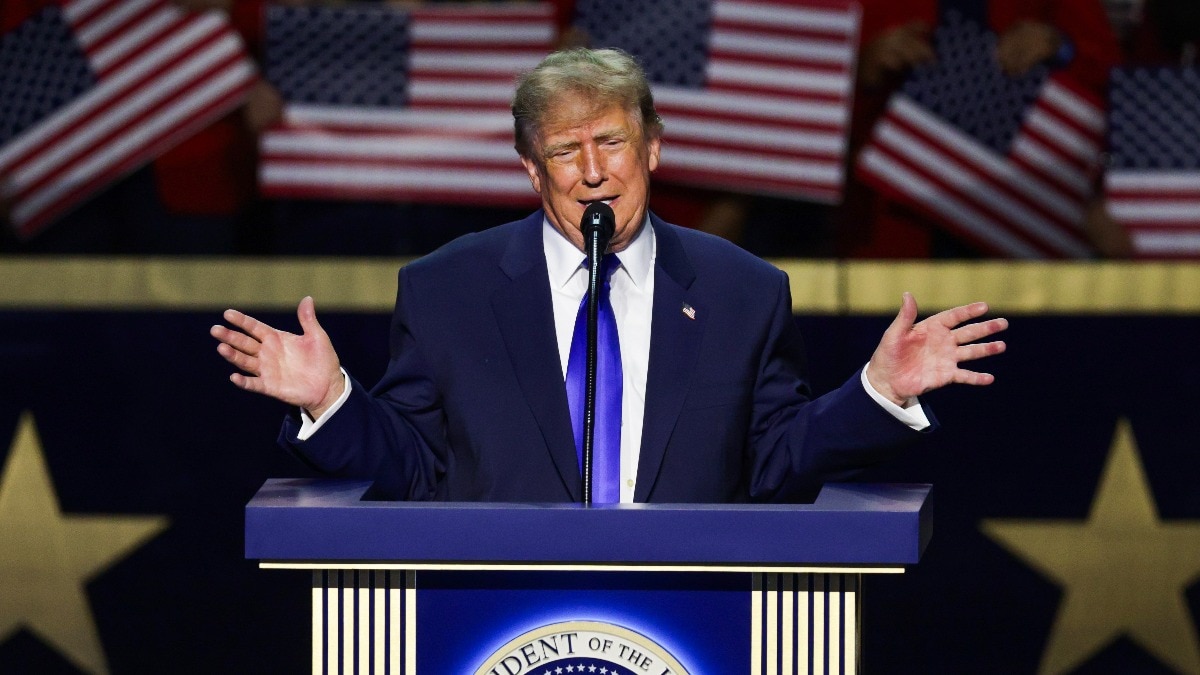
In a move that has caught the attention of political analysts globally, President Donald Trump appears to have imported a specific electoral playbook from India to navigate the precarious political climate leading up to the November midterm elections. During a high-energy 100-minute speech at the Republican National Midterm Convention in Dallas, Trump announced a massive $5,000 "dividend" for every American adult, contingent upon the Republican Party maintaining control of both the House of Representatives and the Senate.
This strategic pivot comes at a time when Trump is facing significant pressure, partly fueled by the complexities of the Iran war and fluctuating approval ratings. By offering a direct financial incentive, Trump is utilizing what is known in the Indian political lexicon as 'Revdi' culture—the practice of promising freebies or direct cash transfers to sway voters and neutralize anti-incumbency sentiments.
Why This Matters
BozokMedia analysis shows that the globalization of populist tactics is reaching a tipping point. By shifting from traditional policy-based campaigning to direct financial incentives, the US presidency is experimenting with a model that has historically dominated the Indian electoral landscape. This represents a shift from 'governance-based' appeals to 'benefit-based' appeals, which could fundamentally alter the American democratic process.
"The transition from systemic welfare to conditional cash dividends marks a dangerous precedent where voter loyalty is essentially auctioned to the highest bidder."
The historical precedent for this strategy is deeply rooted in India, specifically starting in Tamil Nadu during the 1950s and 60s. From K. Kamaraj's midday meals to the DMK's promise of free color televisions and laptops, the 'freebie' model has evolved into a national phenomenon. The Aam Aadmi Party (AAP) further mainstreamed this approach in Delhi with subsidized electricity and water, proving that direct benefits can lead to rapid electoral success.
However, the scale of Trump's proposal is staggering. A $5,000 payment to the adult population of the US could exceed $1 trillion. Unlike Indian state budgets, which the Reserve Bank of India (RBI) has warned are being strained by such commitments, the US proposal faces the hurdle of Congressional approval and a potential spike in national debt.
| Feature | Indian 'Revdi' Model | Trump's US Proposal |
|---|---|---|
| Primary Goal | Combat Anti-incumbency / Win Seats | Retain House & Senate Control |
| Common Tools | Cash, Laptops, Free Power, Rice | Direct Cash Dividend ($5,000) |
| Economic Risk | State Debt / Infrastructure Cuts | Trillion-dollar Federal Expenditure |
Frequently Asked Questions
1. Is the $5,000 dividend guaranteed for all US citizens?
No, it is conditional. It will only be triggered if the Republican Party retains control of both the House and the Senate in the midterms.
2. How does this differ from standard welfare?
Standard welfare is typically based on socio-economic need, whereas this 'dividend' is framed as a reward for a specific political outcome.