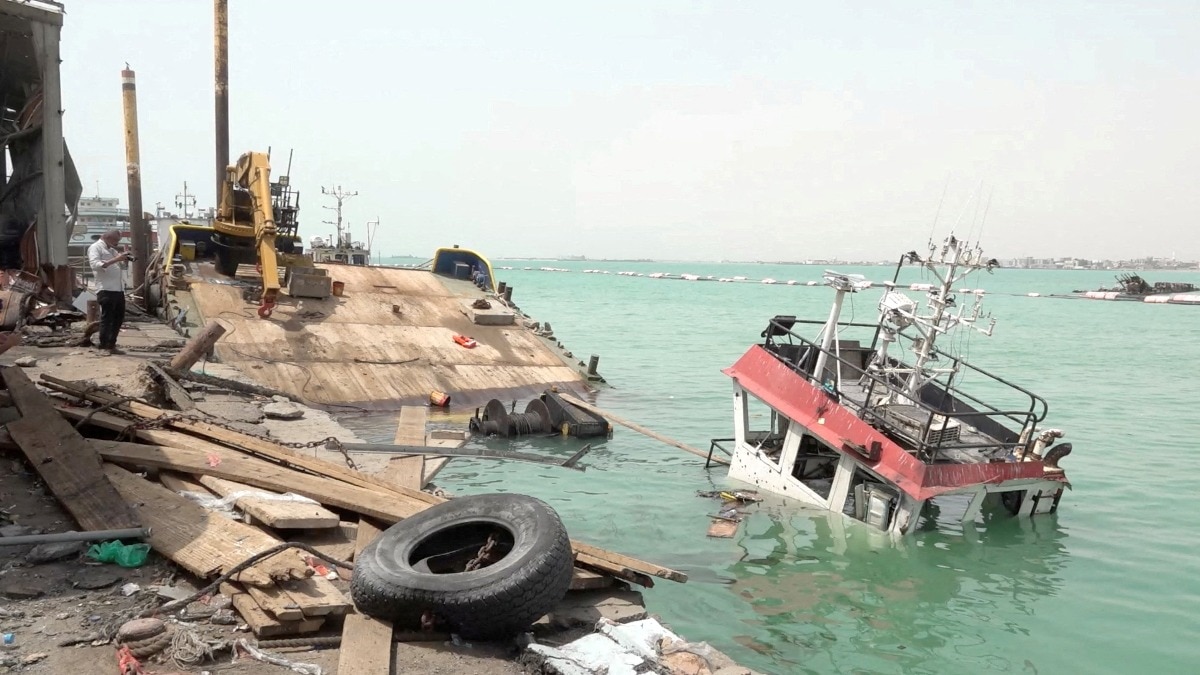
Regional tensions reach a breaking point as Houthi rebels seize the strategic port of Mokha in Yemen and an Israeli strike in Gaza kills a family of four, including children.
- Houthi rebels have captured the strategic port city of Mokha in Yemen, threatening global oil shipping lanes.
- An Israeli airstrike in northern Gaza killed a family of four, including two children, amid conflicting reports on militant targets.
- Diplomatic ties between Algeria and the UAE have been severed due to alleged hostile actions.
- Israel has threatened severe strikes on Iranian energy infrastructure following regional missile exchanges.
The Middle East is currently witnessing a dangerous convergence of conflicts that threaten to destabilize global energy markets and regional security. In a significant strategic shift, the Iran-backed Houthi rebels have successfully seized control of Mokha, a critical port city in Yemen. Located just 80 kilometers from the Bab el-Mandeb Strait, Mokha serves as a gateway for approximately 12% of the world's oil and commercial goods. This takeover comes at a time when the Strait of Hormuz is already experiencing disruptions, placing immense pressure on global supply chains.
Simultaneously, the humanitarian crisis in Gaza has deepened. Hospital officials at Shifa Hospital reported that an Israeli strike in Beit Lahiya killed a husband, wife, and their two daughters, aged 8 and 12. While the Israeli military claims the operation "eliminated" a militant involved in attacks against their forces, local witnesses describe the tragedy as an unjustifiable attack on sleeping civilians. This incident highlights the fragile and often violent nature of the ceasefire currently in place.
Why This Matters
BozokMedia analysis shows that the capture of Mokha is not merely a local victory for the Houthis but a calculated move to exert leverage over the Red Sea. By controlling this corridor, the Houthis can effectively hold global trade hostage, forcing international powers to negotiate on their terms. When coupled with the escalating rhetoric between Israel and Iran, the region is moving toward a multi-front confrontation that could trigger a global economic shock.
The synchronization of instability from Yemen to Gaza suggests a coordinated effort to stretch Western military resources across multiple theaters of operation.
The diplomatic sphere is equally volatile. Algeria has officially severed diplomatic ties with the United Arab Emirates, citing "provocative and hostile actions." Meanwhile, at the UN Security Council, a fierce debate erupted over Iran's nuclear program. While the UK and other members urged urgent cooperation with the IAEA, Russia and China dismissed the reports as "politicized," reflecting the deep geopolitical divide within the world's highest security body.
Adding to the tension, Lebanon has accused Israel of nearly 2,000 sovereignty violations in July alone. Despite a June agreement for Israeli withdrawal in exchange for Hezbollah's disarmament, the situation remains a stalemate. Israeli Defence Minister Israel Katz has further escalated the situation by warning Iran of a "powerful response" targeting central energy facilities if Israel is attacked.
| Conflict Zone | Key Development | Global Impact |
|---|---|---|
| Yemen (Mokha) | Houthi Capture | Threat to 12% of Global Oil Trade |
| Gaza (Beit Lahiya) | Family Killed | Humanitarian Crisis / Ceasefire Strain |
| UN / Iran | Nuclear Dispute | Global Nuclear Proliferation Risk |
Frequently Asked Questions
1. Why is the port of Mokha strategically important?
Mokha is located near the Bab el-Mandeb Strait, a vital chokepoint for oil and goods traveling between the Red Sea and the Gulf of Aden.
2. What led to the diplomatic break between Algeria and the UAE?
Algeria cited "provocative and hostile actions" by the UAE, though specific details of the incidents were not disclosed.