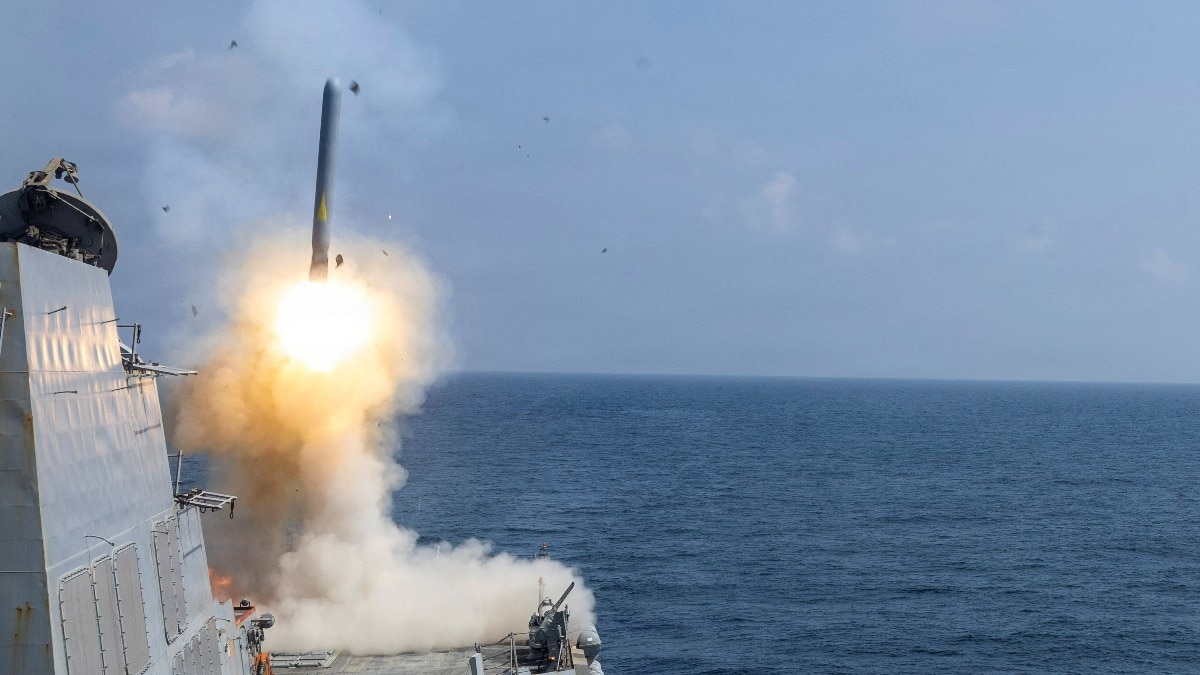
Tensions soar as projectiles hit Sirik and Qeshm Island in Iran. While Donald Trump claims the war will end post-November elections, Tehran calls for regional dialogue to secure maritime safety.
- Projectiles reported in Sirik, Minab County, and Qeshm Island, Iran.
- Donald Trump predicts the conflict will end immediately after the November midterms.
- IAEA passes resolution to report Iran to the UN Security Council over nuclear inspection blocks.
- Commercial shipping under heavy attack in the Gulf region.
The southern coastal regions of Iran have once again become a flashpoint of military aggression. According to Iranian state media, multiple explosions were recorded in Sirik, Minab County, and Qeshm Island. Reports indicate that projectiles struck several locations, though official casualty figures have not yet been released. These strikes have reignited fears of an all-out war in the volatile Gulf region.
In a surprising diplomatic pivot, US President Donald Trump has claimed that the conflict will conclude shortly after the November midterm elections in the United States. Trump further predicted a significant drop in global oil prices following the cessation of hostilities. While he mentioned the possibility of talks with Tehran, he clarified that the US is not currently actively seeking a formal agreement, keeping the door open but the terms vague.
Why This Matters
BozokMedia analysis shows that the strategic targeting of islands like Qeshm and Sirik is designed to disrupt the Strait of Hormuz, one of the world's most critical oil chokepoints. If the conflict escalates, the global energy supply chain could collapse, leading to an unprecedented economic crisis. The timing of Trump's statement suggests that the conflict is being viewed through a political lens, tying geopolitical stability to domestic electoral outcomes.
"The escalation in the Persian Gulf is no longer just a bilateral dispute but a systemic failure of regional diplomacy, where nuclear ambitions and maritime hegemony are colliding."
Conversely, Iran's Ministry of Foreign Affairs has extended an olive branch, proposing regional dialogue. Tehran argues that mutual trust, long-term security, and economic progress should be the goals of coastal nations. However, Iran explicitly stated that this security framework must be free from the interference of 'external powers,' a clear reference to the United States military presence in the region.
The maritime situation remains dire. According to UK Maritime Trade Operations, shipping attacks in critical Gulf waterways continue, with several commercial vessels rendered inoperable. Simultaneously, tensions are spiking on the Lebanon border, where the Lebanese army reports thousands of violations by Israeli forces, adding another layer of complexity to the regional crisis.
Historical Background
The friction between the US and Iran dates back to the 1979 Islamic Revolution and the subsequent hostage crisis. The collapse of the Joint Comprehensive Plan of Action (JCPOA) and Iran's subsequent increase in uranium enrichment have transitioned a 'shadow war' into a series of direct and indirect military confrontations.
| Party | Core Stance/Claim | Strategic Objective |
|---|---|---|
| USA | Peace post-election claim | Oil price stability & nuclear disarmament |
| Iran | Regional cooperation proposal | Expulsion of foreign powers & regional hegemony |
Frequently Asked Questions
Q1: Will the Iran-US conflict lead to higher oil prices?
A: Yes, instability in the Gulf typically leads to supply disruptions and price hikes, though Trump predicts a drop once the war ends.
Q2: Why is the IAEA reporting Iran to the UN?
A: The IAEA passed the resolution because Iran has consistently denied inspectors access to its nuclear facilities.