In a rare and severe diplomatic move, the IAEA board has referred Iran to the UN Security Council over its failure to cooperate in investigations regarding undeclared uranium traces.
- IAEA board officially finds Iran in non-compliance with non-proliferation obligations.
- Western powers suspect a secret nuclear weapons program existed until 2003.
- Iran holds 440.9 kg of uranium enriched to 60%, near weapons-grade levels.
- Referral opens the door to sanctions, though Russia and China's vetoes remain a hurdle.
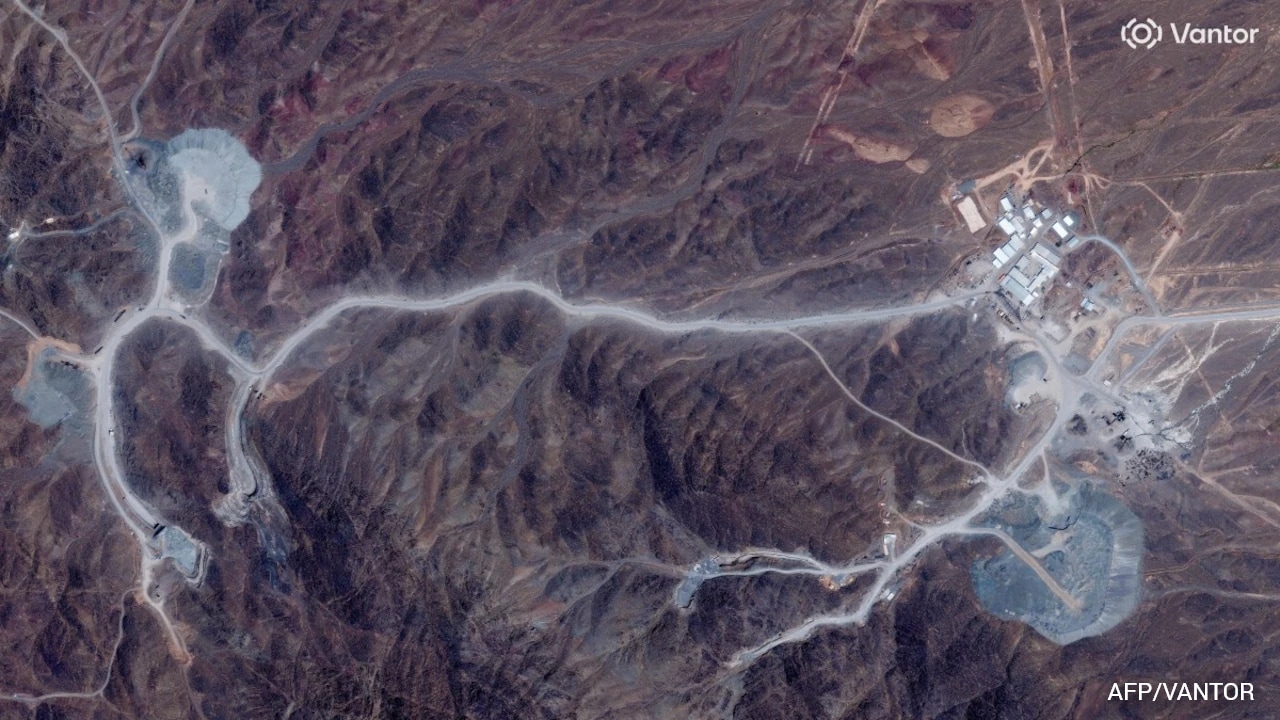
The board of governors of the International Atomic Energy Agency (IAEA) on Wednesday took the extraordinary step of reporting Iran to the UN Security Council for the first time in two decades. The decision stems from Tehran's persistent refusal to cooperate in a long-standing investigation into uranium traces detected at undeclared sites, which has left inspectors in the dark about the nature of Iran's activities.
Officials from Western nations, including the US, UK, France, and Germany, argue that these traces provide critical evidence that Iran maintained a clandestine nuclear weapons program until 2003. Conversely, Iran continues to maintain that its nuclear ambitions are strictly peaceful and that it has never sought to develop nuclear weaponry.
Why This Matters
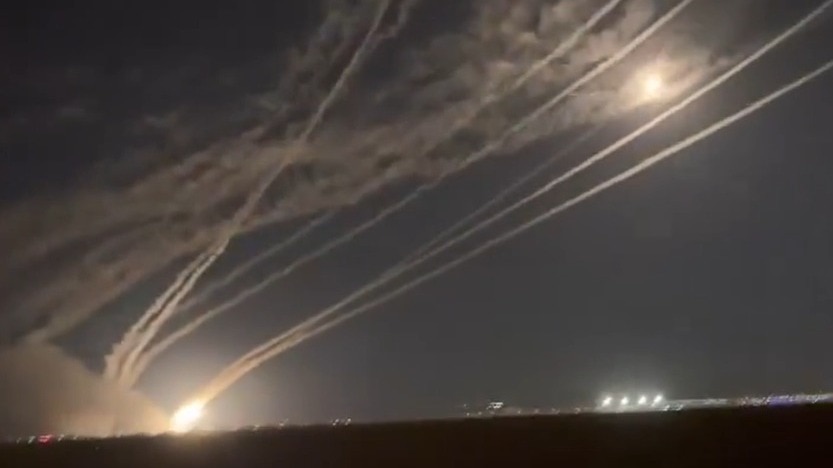
BozokMedia analysis shows that this referral is not an isolated event but a culmination of escalating hostilities. Following the June 2025 strikes by Israel and the U.S. on Iranian nuclear sites, Tehran has effectively locked out IAEA inspectors. This lack of transparency creates a dangerous information vacuum, making it impossible to verify whether Iran has diverted material for military use during the chaos of war.
"The referral to the Security Council is a diplomatic 'nuclear option' signaling that technical dialogue has failed."
The technical stakes are alarmingly high. IAEA Director General Rafael Grossi warned that Iran possesses 440.9 kilograms of uranium enriched to 60% purity. While not yet 'weapons-grade' (which is 90%), the jump from 60% to 90% is a short technical step. Grossi noted that this stockpile could theoretically be used to produce up to 10 nuclear bombs if Tehran decides to weaponize its program.
The resolution passed with 23 votes in favor, while China, Russia, and Niger opposed the move. This geopolitical split reflects the broader divide in the Security Council, where Russia and China are likely to shield Iran from any punitive sanctions or asset freezes that might follow this referral.
| Perspective | Position/Claim | Primary Concern |
|---|---|---|
| Western Bloc | Non-compliance with NPT | Secret weapons program evidence |
| Iran | Peaceful nuclear energy | Foreign aggression and strikes |
| IAEA | Lack of verification access | Uranium stockpile purity (60%) |
Frequently Asked Questions
1. Will this lead to immediate sanctions on Iran?
While a referral allows for sanctions, any binding resolution must pass the UN Security Council, where Russia and China hold veto power and are unlikely to support them.
2. What is the significance of the 20-year gap?
The last time the IAEA referred Iran to the UNSC was during a previous era of tension; doing so now indicates a total breakdown in diplomatic trust and verification mechanisms.