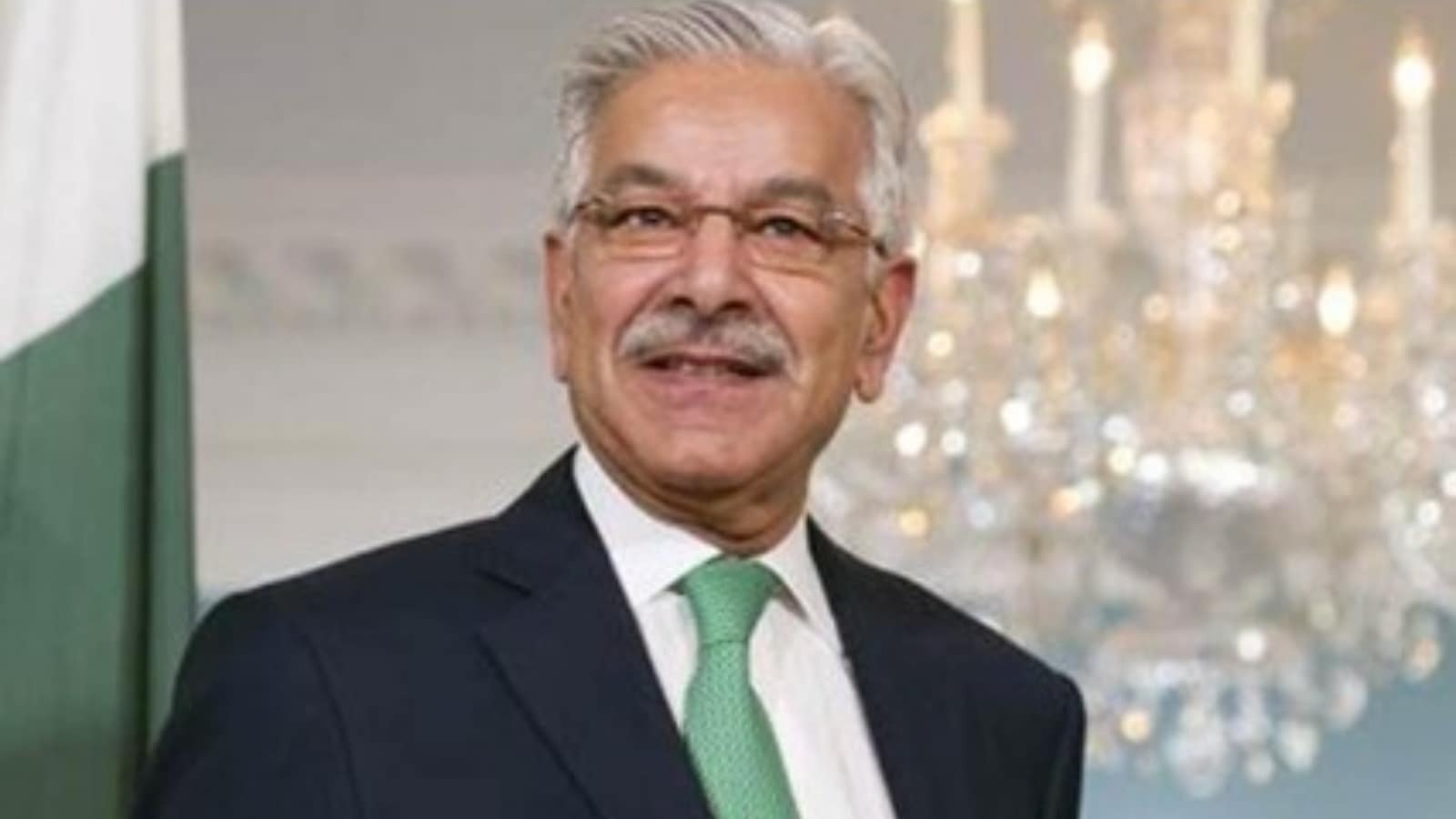
Pakistan's Defence Minister Khawaja Asif has warned that the Saudi-Turkey-Pakistan 'Mecca Agreement' could be operationalized if Houthi aggression against Saudi Arabia escalates, treating an attack on one as an attack on all.
- The Mecca Joint Defence Agreement was signed on August 7, 2026, by Saudi Arabia, Pakistan, and Türkiye.
- The pact stipulates that an armed attack on any one member is regarded as an attack on all three.
- Defence Minister Khawaja Asif confirmed Pakistan's commitment to honor the pact in case of 'unprovoked aggression'.
- Potential implications include global oil price volatility and risks to Indian expatriates in the Gulf.
Pakistan's Defence Minister Khawaja Asif has issued a stern warning that the recently signed Saudi-Turkey-Pakistan defence pact, known as the Mecca Agreement, could be activated if Saudi Arabia faces "unprovoked aggression." This statement comes in the wake of renewed attacks by Iran-aligned Houthi forces on Saudi territory, escalating tensions in an already volatile region.
While the Defence Minister emphasized that Islamabad is bound by the terms of the agreement, the Foreign Ministry spokesperson, Sajjad Haider Khan, provided a more measured response, stating that while no immediate military reaction is under discussion, Pakistan will "act" when the time is right. This subtle difference in rhetoric suggests a strategic approach to deterrence without immediate escalation.
Decoding the Mecca Defence Agreement
Signed on August 7, 2026, in Mecca, this collective-defence pact is designed to strengthen collective deterrence among the three signatories. The core of the agreement is a mutual defense clause: an armed attack on any one of the three countries will be regarded as an attack on all of them. This creates a formidable military bloc in the heart of the Islamic world.
| Detail | Mecca Pact Facts |
|---|---|
| Signing Date | August 7, 2026 |
| Signatories | Saudi Arabia, Pakistan, Türkiye |
| Core Principle | Attack on one = Attack on all |
| Estimated Strength | ~1.4M Personnel, ~3,400 Aircraft |
Why This Matters
BozokMedia analysis shows that the Mecca pact is a direct response to the shifting geopolitical landscape, specifically the expanding military capabilities of Israel and the pervasive influence of Iran across the Gulf. By aligning with Turkey and Saudi Arabia, Pakistan is not only securing its strategic ties but also positioning itself as a key security provider in the Middle East.
"The Mecca Agreement transforms a traditional bilateral relationship into a multilateral security umbrella, fundamentally altering regional deterrence."
For India, the stakes are high. Any widening conflict involving Saudi Arabia could lead to severe disruptions in global oil supplies, driving up inflation. Furthermore, the safety of the massive Indian expatriate community in Saudi Arabia and the security of shipping lanes in the Red Sea are critical national interests for New Delhi.
Frequently Asked Questions
Q1: Does this mean Pakistan will immediately deploy troops?
Answer: Not necessarily. Since the full text of the agreement is not public, the exact nature of the military response—whether it involves troop deployment or logistical support—remains unclear.
Q2: What triggered the creation of this pact?
Answer: The pact was driven by heightened regional tensions, concerns over Iranian influence, and a desire for a stronger collective deterrent against external aggression.