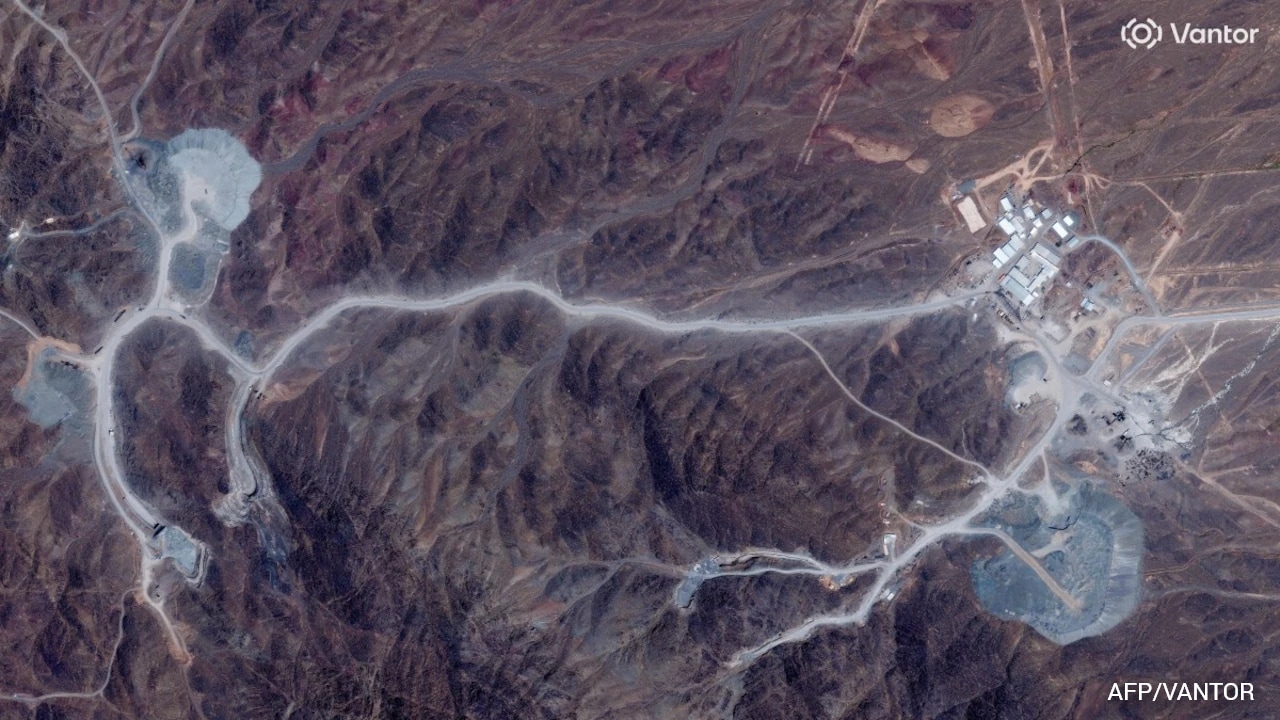
A Washington-based think tank reports a significant spike in construction and new security measures at Iran's Pickaxe Mountain site, sparking global security alarms.
- Satellite imagery reveals a 'clear surge' in construction activity at Pickaxe Mountain this year.
- Iran has erected a new, reinforced security perimeter around the suspected facility.
- Tehran claims the imagery is insufficient to draw definitive conclusions.
Analysts from a prominent Washington-based think tank have uncovered a worrying trend at Iran's Pickaxe Mountain site. After reviewing satellite imagery spanning six years, experts have identified a "clear surge in construction activity" during the current year, suggesting a rapid acceleration of development at the suspected nuclear facility.
The report highlights that the Iranian regime has not only expanded the physical footprint of the site but has also meticulously erected a security perimeter. This fortification is viewed by intelligence analysts as a strategic move to prevent unauthorized surveillance and protect sensitive operations from external detection.
Why This Matters
BozokMedia analysis shows that the fortification of such clandestine sites undermines international trust and complicates the efforts of the IAEA to verify Iran's nuclear intentions. The transition from basic construction to high-security fortification often precedes the deployment of critical nuclear infrastructure, potentially shifting the balance of power in the Middle East.
"The sudden acceleration of construction at Pickaxe Mountain suggests a strategic pivot toward hardening assets against potential kinetic strikes."
In response to these findings, Tehran has maintained a dismissive stance. Iranian officials argue that satellite imagery is inherently insufficient to determine the nature of the activities occurring on the ground, claiming that the reports are based on speculation rather than concrete evidence.
Historically, Iran has faced repeated accusations of maintaining undeclared nuclear sites. The use of mountain-based facilities is a known Iranian strategy to shield critical assets from aerial bombardment, making international verification an uphill battle for global regulators.
Frequently Asked Questions
1. What is the significance of the security perimeter?
A security perimeter typically indicates that the site has moved from a general construction phase to a restricted operational phase.
2. How did the think tank identify these changes?
By using longitudinal satellite imagery analysis to compare the site's layout over a six-year period.