A panel of experts analyzes the expanded BRICS grouping, emphasizing India's critical strategic role in balancing relations between the West and the East while championing the Global South.
- India is strategically positioning itself as a 'bridge builder' between the US and the BRICS bloc.
- The shift from political declarations to tangible economic outcomes is critical for BRICS' survival.
- Multilateral forums act as essential diplomatic bandwidth to hedge against global economic shifts.
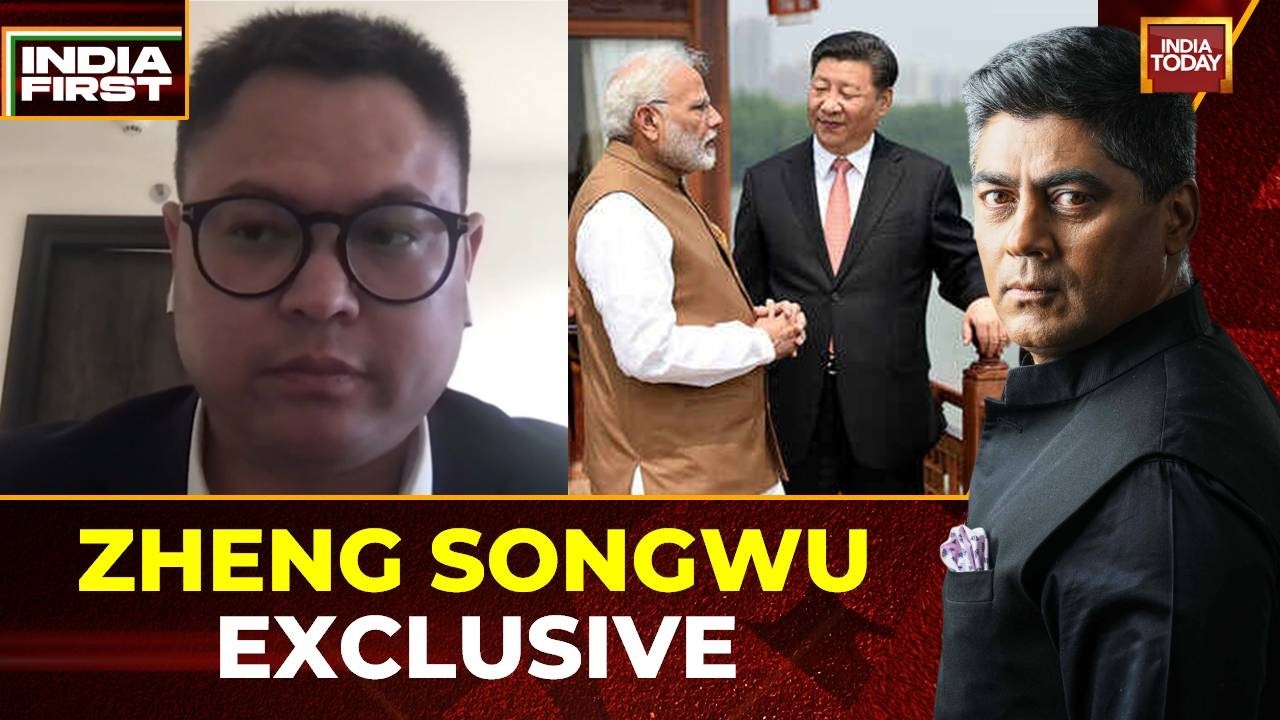
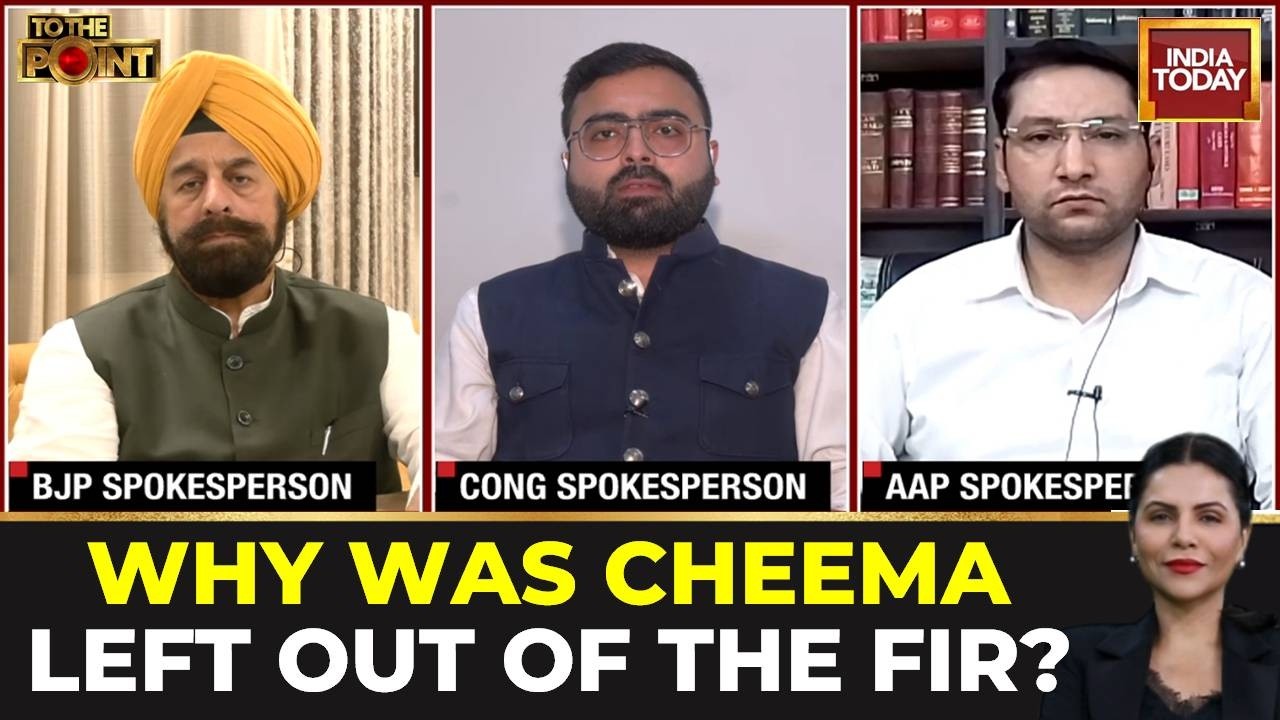
Ahead of the upcoming summit in New Delhi, a distinguished panel of experts and journalists convened to debate the contemporary relevance of the expanded BRICS grouping. The discourse centered on India's pivotal role in a multipolar world, where the utility of such alliances is frequently questioned by opposition voices and geopolitical skeptics. The consensus among panelists was that India has emerged as a critical 'bridge builder,' maintaining a delicate but effective balance between its partnerships with the United States and its engagement with powers like China and Russia.
The discussion highlighted that India's strategic autonomy allows it to navigate conflicting global interests without compromising its national security or economic goals. By engaging with both the G7 and BRICS, India is effectively hedging its bets, ensuring that it remains indispensable to both the established Western order and the emerging Eastern bloc.
Why This Matters
BozokMedia analysis shows that for BRICS to remain relevant, it must transition from a forum of rhetoric to a vehicle for concrete economic delivery. The focus must shift toward local currency arrangements, job creation, and financial infrastructure that reduces dependence on a single dominant currency. India's leadership in the 'Global South' provides the moral and political leverage needed to prevent the group from becoming a tool for any single country's hegemony.
"Multilateralism is not about total agreement, but about managing disagreements to prevent systemic collapse."
One of the primary challenges discussed was the difficulty of securing a consensus declaration. With a diverse array of member nations possessing wildly different geopolitical agendas, the risk of deadlock is high. Panelists warned against the narrative that BRICS is an 'anti-Western' alliance, arguing instead that it is a 'non-Western' pursuit of a more equitable global governance structure.
Historically, BRICS began as a way to coordinate the interests of the world's fastest-growing emerging economies. However, its recent expansion signifies a shift toward a broader geopolitical coalition. While this increases the group's global weight, it also complicates the internal dynamics of decision-making, requiring more sophisticated diplomatic maneuvering from India.
Frequently Asked Questions
1. How does India balance its relationship with the US and BRICS?
India employs a strategy of 'multi-alignment,' where it pursues specific interests—such as defense and tech with the US, and energy and regional stability with Russia and China—simultaneously.
2. What are the tangible goals for the future of BRICS?
The primary goals include creating alternative financial systems, promoting trade in local currencies, and ensuring a more inclusive voice for developing nations in global institutions.