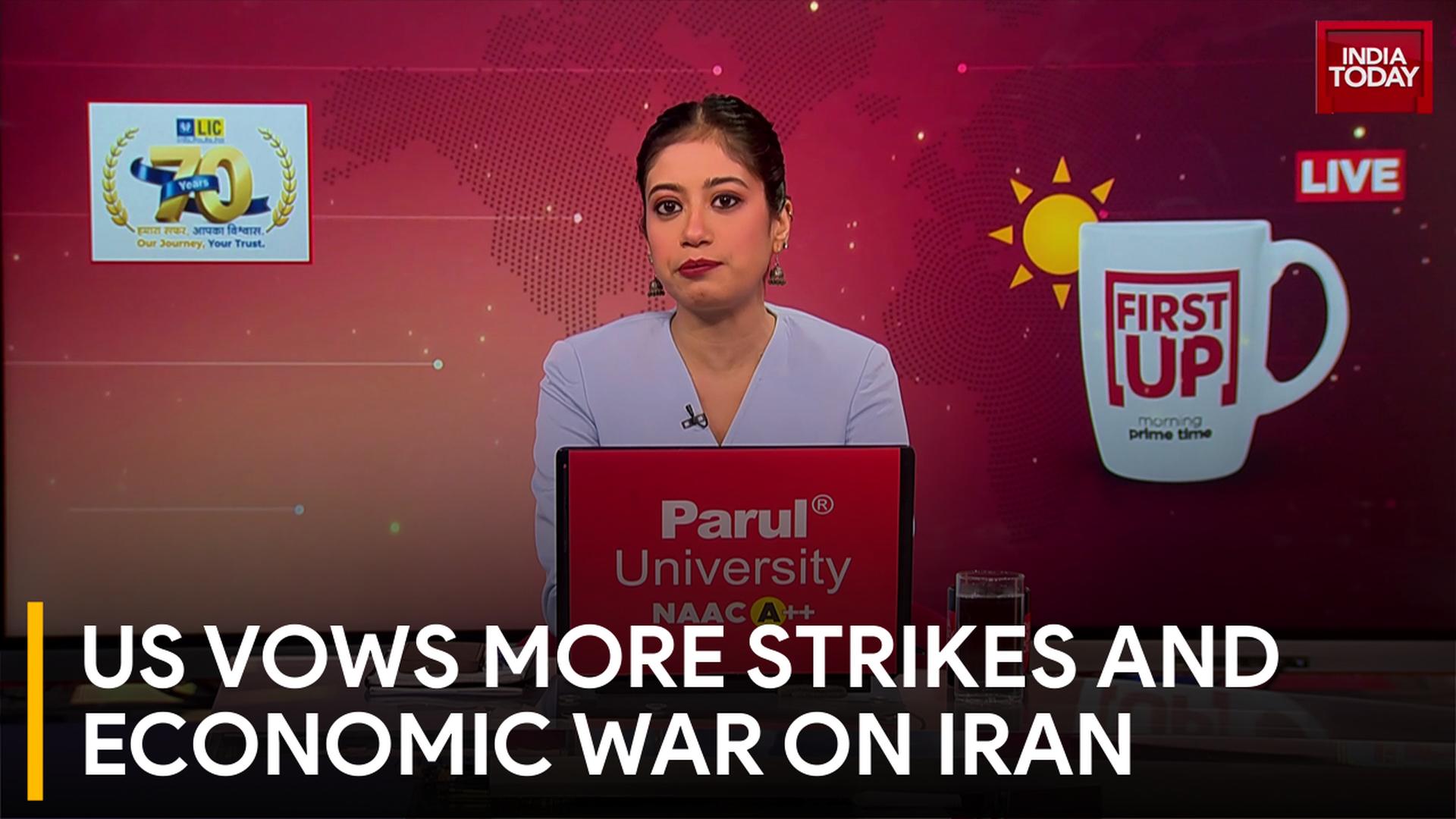
The United States has signaled a strategic shift toward intensifying military strikes and implementing severe economic strangulation against Iran to curb its regional influence and nuclear ambitions.
- US vows additional military strikes targeting key Iranian assets.
- Strategy to economically isolate Tehran to limit its proxy funding.
- Potential for significant escalation in West Asian geopolitical stability.
Tensions in West Asia have reached a critical boiling point. The United States has formally signaled its intent to escalate military operations against Iran, coupled with a ruthless economic strategy designed to 'strangle' Tehran's financial capabilities. This dual-track approach aims to degrade Iran's ability to project power through its regional proxies and halt its nuclear progression.
According to high-ranking defense officials, the US is preparing for precision strikes on strategic targets. These operations are intended to neutralize threats to US personnel and allies while sending a clear message that provocation will meet a disproportionate response. The White House has emphasized that economic warfare is now a primary pillar of its national security strategy in the region.
Why This Matters
BozokMedia analysis shows that the US is moving beyond mere deterrence. By integrating kinetic military action with total economic isolation, Washington is attempting to create a systemic failure within the Iranian state apparatus, forcing the leadership to choose between internal collapse or strategic concession.
"The synergy of financial asphyxiation and targeted military pressure is designed to break the will of the adversary without necessitating a full-scale ground invasion."
Historically, the US-Iran rivalry has been defined by a cycle of sanctions and shadow wars. Since the 1979 Revolution, the relationship has remained adversarial. The collapse of the JCPOA (Nuclear Deal) and recent disruptions in the Red Sea shipping lanes have accelerated the current drive toward confrontation.
Analysts warn that such an aggressive stance could lead to an unintended spiral of violence. If Iran feels cornered, it may resort to asymmetric warfare, targeting global energy infrastructure, which would trigger a global economic shockwave.
Frequently Asked Questions
1. Will the US launch a full-scale invasion of Iran?
Current indicators suggest a preference for surgical strikes and economic pressure rather than a large-scale ground occupation.
2. How will economic strangulation affect the global market?
Severe sanctions on Iran often lead to volatility in oil prices, potentially increasing fuel costs worldwide.