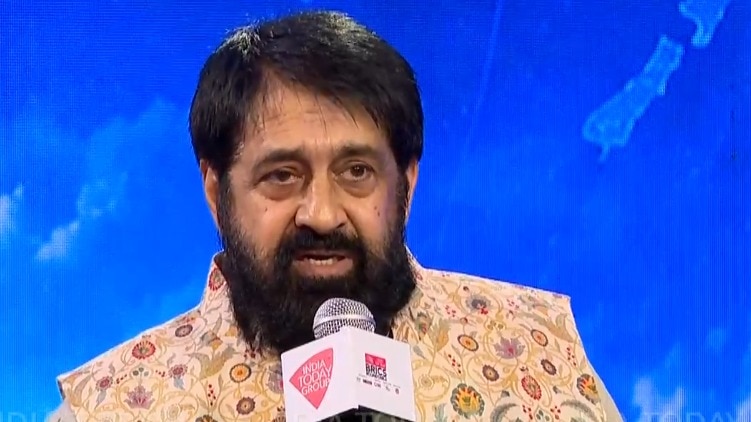
South African High Commissioner Anil Sooklal warns of a state of 'global disorder' and positions BRICS as the primary vehicle for the Global South to exert real power and deliver tangible results.
- South African envoy Anil Sooklal describes the current international climate as one of 'global disorder'.
- Argues that BRICS should be judged by its tangible deliveries rather than the frequency of its summits.
- Highlights India's G20 presidency as a blueprint for Global South leadership in a fractured world.
In a high-stakes discussion at India Today’s BRICS Roundtable, titled 'Africa Rising: BRICS’ Next Frontier', the South African High Commissioner to India, Anil Sooklal, presented a compelling case for the bloc's growing necessity. Sooklal argued that the world is no longer operating under a stable international order, but is instead drifting into a period of systemic instability.
The envoy pointed toward the perceived paralysis of established global institutions. He specifically cited the United Nations (UN), World Trade Organization (WTO), World Health Organization (WHO), and UNESCO, suggesting that these bodies are struggling to remain relevant or effective in the face of modern geopolitical frictions, leading to what he termed as "global disorder."
Why This Matters
BozokMedia analysis shows that Sooklal's remarks signal a strategic pivot. The Global South is no longer content with being a passive participant in global affairs. By leveraging BRICS, these nations are attempting to create a counter-weight to traditional Western hegemony, seeking a system where economic and political influence is distributed more equitably across the globe.
"The coming together of leaders sends a message that the Global South is capable of delivering power."
A significant portion of Sooklal's argument rested on the success of India's recent G20 presidency. He posited that India's ability to navigate deep diplomatic divides and secure a consensus demonstrated that the Global South possesses the diplomatic maturity and leadership capacity to guide the world, even when the international community is deeply fractured.
Addressing the internal frictions within BRICS, Sooklal offered a pragmatic path forward. He emphasized that the bloc's effectiveness depends on its ability to compartmentalize. By keeping bilateral disputes separate from the overarching strategic agenda of the group, BRICS can maintain its momentum and focus on collective growth and systemic reform.
Historically, BRICS began as an investment acronym but has evolved into a geopolitical force. Sooklal's vision suggests that the bloc's evolution is far from over, and its future relevance will be determined by its ability to provide alternatives to the existing financial and political architectures that many developing nations find restrictive.
Frequently Asked Questions
1. What does the term 'global disorder' imply in this context?
It refers to the inability of traditional global governance institutions to resolve conflicts and manage global crises effectively.
2. How can BRICS overcome internal member disputes?
Anil Sooklal suggests that members should separate bilateral conflicts from the collective agenda of the bloc to ensure progress.