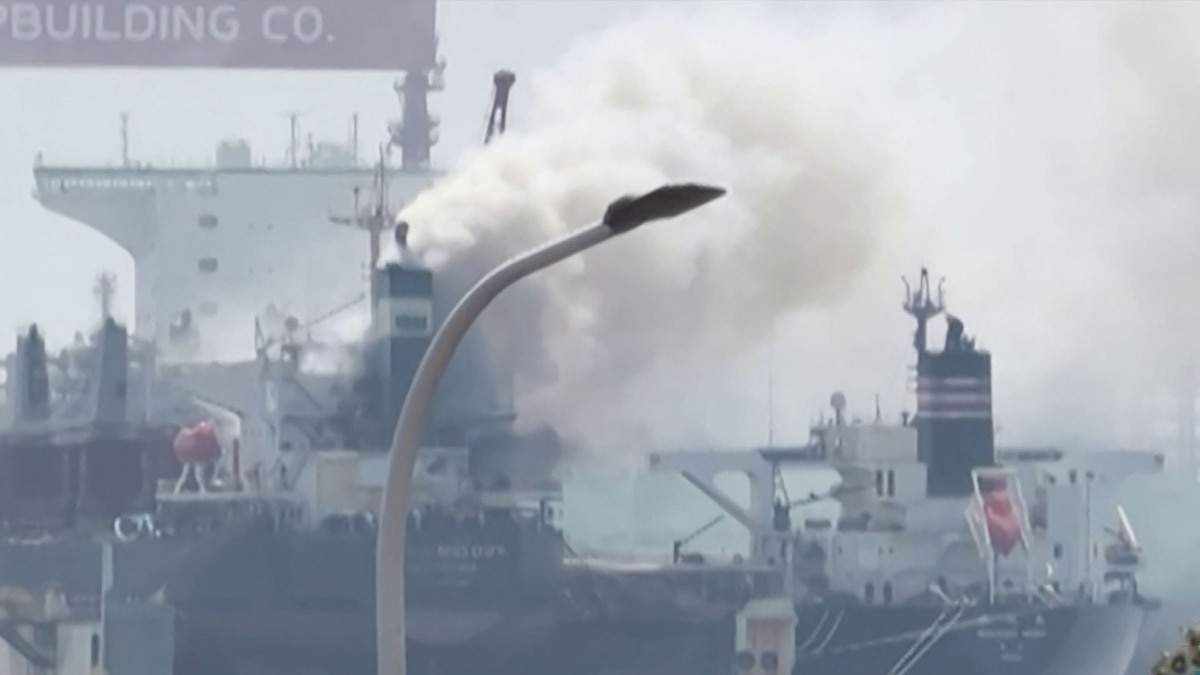
The Iran-backed Houthi movement has captured the strategic port city of Mokha, significantly increasing their leverage over the critical Bab al-Mandab shipping route.
- Houthis have seized the strategic port city of Mokha from Saudi-backed forces.
- The capture brings the group closer to controlling the Bab al-Mandab Strait.
- Escalating attacks on Saudi oil facilities have triggered a surge in global oil prices.
In a significant military escalation, Yemen's Houthi movement has seized the strategic Red Sea port city of Mokha from Saudi-backed pro-government forces. This territorial gain is not merely a local victory; it positions the Iran-backed group within striking distance of the Bab al-Mandab strait, a vital maritime chokepoint approximately 75km to the south that links the Red Sea to the Gulf of Aden.
The offensive in the south-western coastal region, launched a week ago, has reportedly resulted in hundreds of casualties and the displacement of thousands of civilians, further deepening the humanitarian crisis in one of the world's most volatile regions.
Why This Matters
BozokMedia analysis shows that the capture of Mokha fundamentally alters the geopolitical calculus of the region. With the Strait of Hormuz effectively closed due to tensions between the US, Israel, and Iran, the Red Sea has become the primary artery for Saudi Arabia's oil exports. Houthi control over this corridor allows them to exert immense pressure on global energy markets.
"The seizure of Mokha transforms the Houthi movement from a domestic insurgent force into a regional maritime threat capable of disrupting global trade."
Simultaneously, the conflict has spilled over into Saudi territory. On Tuesday, the Houthis deployed dozens of drones and missiles against southern Saudi Arabia, injuring 73 civilians and forcing a temporary shutdown of several oil facilities. The Houthis claim these actions are retaliation for Saudi air strikes in north-western Yemen, including a devastating strike on a prison in Hazm that killed 23 civilians.
Historical Background
For over a decade, a Saudi-led coalition has fought to reinstate the recognized government of Yemen against the Houthi insurgency. A fragile, informal ceasefire that had held for four years began to collapse in July, when the Houthis declared a "maritime embargo" and intensified attacks on airports and tankers.
| Feature | Saudi-backed Forces | Houthi Rebels |
|---|---|---|
| Primary Objective | Restore Government Legitimacy | Regional Control & Anti-Saudi Influence |
| Strategic Asset | International Diplomatic Support | Control over Coastal Infrastructure |
| Backing | Arab Coalition / USA | Iran |
Frequently Asked Questions
1. Why is the port of Mokha so strategic?
Its location on the Red Sea coast provides a gateway to the Bab al-Mandab Strait, allowing whoever controls it to monitor or block international shipping traffic.
2. How is this affecting global oil prices?
The threat to oil facilities and the potential blockage of shipping lanes have created market volatility, pushing oil prices toward the $100 per barrel mark.