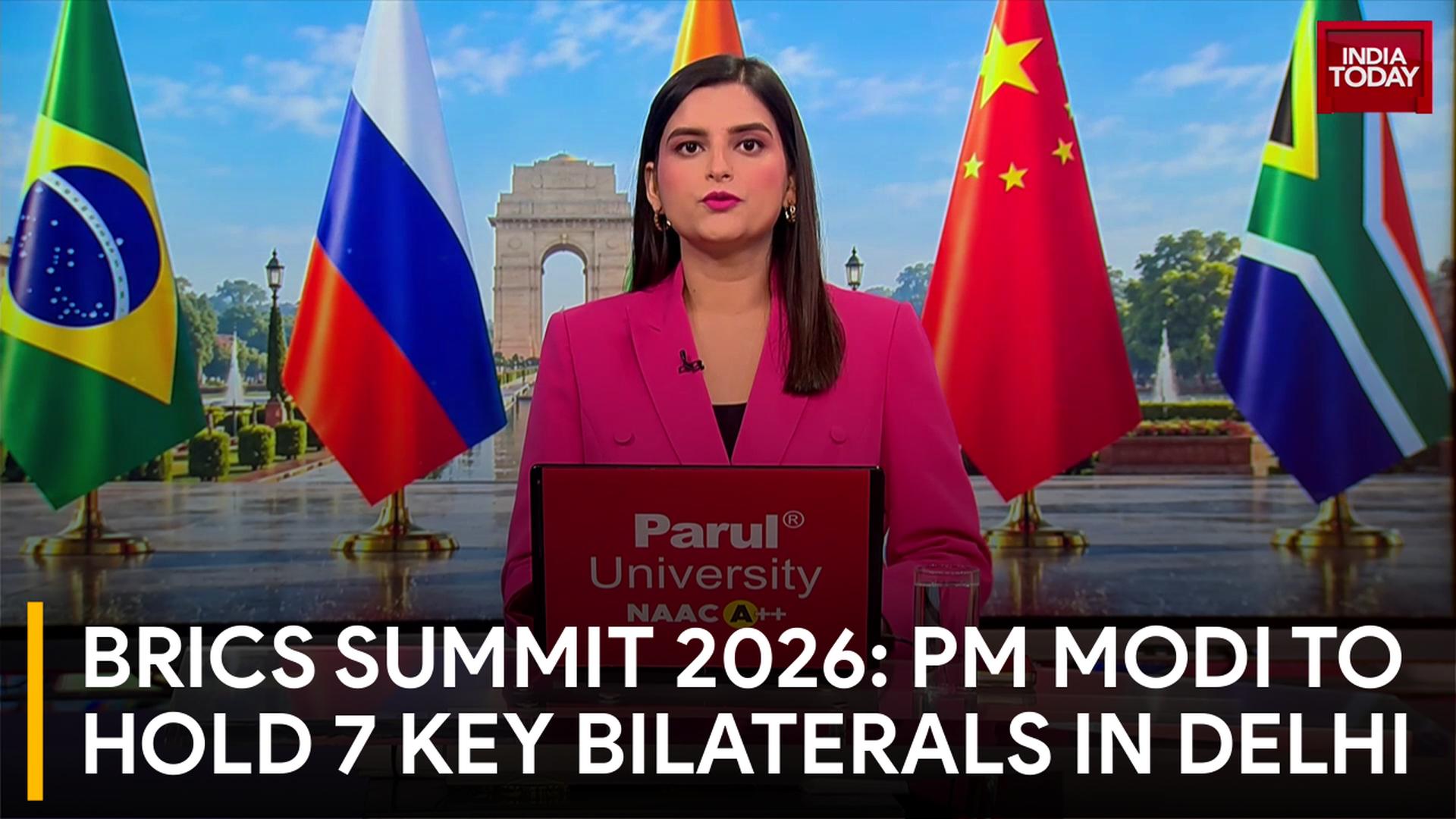
The BRICS nations have unanimously adopted the New Delhi Declaration, tackling critical issues ranging from nuclear escalation to global terrorism and unilateral tariffs. India's diplomatic leadership ensured consensus despite deep-seated geopolitical divides.
- Unanimous adoption of the New Delhi Declaration 2026.
- Zero tolerance for terrorism and rejection of double standards.
- Urgent concern over escalating nuclear conflict risks.
- Condemnation of unilateral economic sanctions and protectionist tariffs.
In a significant diplomatic triumph, the BRICS member states have officially adopted the New Delhi Declaration. Despite profound differences between members like Iran, the UAE, and Russia regarding Middle Eastern conflicts, the group achieved a rare consensus, underscoring India's pivotal role in global mediation.
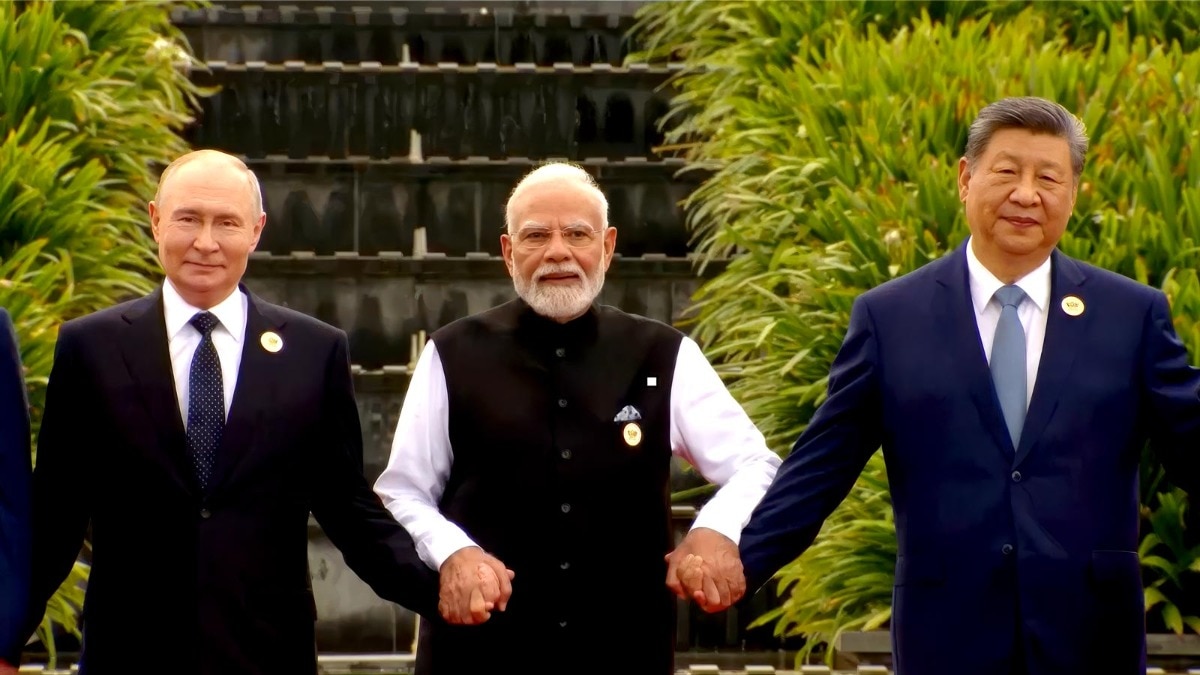
Prime Minister Narendra Modi announced the unanimous adoption on the summit's first day, a feat that highlights India's growing strategic heft. The visual of leaders including Xi Jinping and Vladimir Putin applauding the declaration signaled a momentary pause in the intense geopolitical friction that often defines this grouping.
A Hardline Stance on Terrorism
The declaration issues a scathing condemnation of terrorism, specifically citing the tragic Pahalgam attack in Jammu and Kashmir. In a move widely seen as a message to Pakistan, the document calls for an end to "double standards" regarding terror financing and accountability. Furthermore, the group pushed for the rapid adoption of the Comprehensive Convention on International Terrorism (CCIT), a framework long championed by India at the United Nations.
Nuclear Risks and Global Conflict
One of the most striking aspects of this year's declaration is the heightened language regarding nuclear threats. Moving beyond previous cautious statements, the leaders expressed alarm over "immediate growing risks" of nuclear conflict, reflecting global anxieties over the breakdown of arms-control treaties.
The shift in language regarding nuclear risks marks a significant escalation in the BRICS collective's security consciousness.
Why This Matters
BozokMedia analysis shows that the ability of BRICS to find common ground on sensitive issues like the Russia-Ukraine war and Middle East stability is a barometer for the future of a multipolar world. The group is transitioning from an economic bloc to a powerful geopolitical negotiator.
Economic Sovereignty and Tariffs
Addressing the "silent elephant in the room," the declaration condemned unilateral economic sanctions and protectionist measures. While not naming specific nations, the text directly critiques the wave of unilateral tariffs and secondary sanctions that threaten global food security and human rights, a clear nod toward recent US trade policies.
Frequently Asked Questions
1. What was the significance of the New Delhi Declaration?
It represents a rare unanimous agreement among BRICS nations despite their conflicting regional interests.
2. How does the declaration address the Middle East?
It calls for a ceasefire in Gaza, unhindered humanitarian aid, and supports a two-state solution.