Former Indian Ambassador Ashok Kantha warns that summit diplomacy alone cannot resolve deep-seated structural issues between India and China.
- India-China relations require a calibrated, incremental approach rather than a sudden reset.
- Border peace is a non-negotiable prerequisite for normalizing ties.
- Structural issues like trade deficits and Chinese support to Pakistan remain critical hurdles.
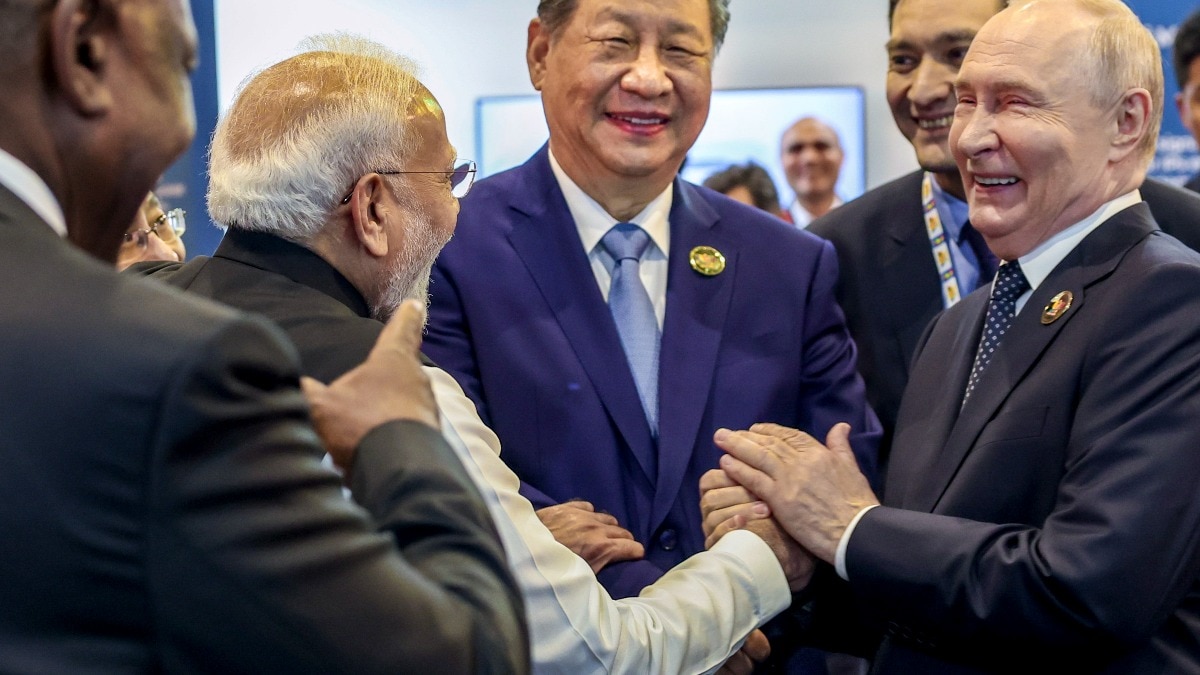
Following the high-profile meeting between Prime Minister Narendra Modi and President Xi Jinping on the sidelines of the BRICS Summit, diplomatic analysts are offering a reality check on the future of bilateral relations. While summit diplomacy often creates headlines, the underlying friction remains significant.
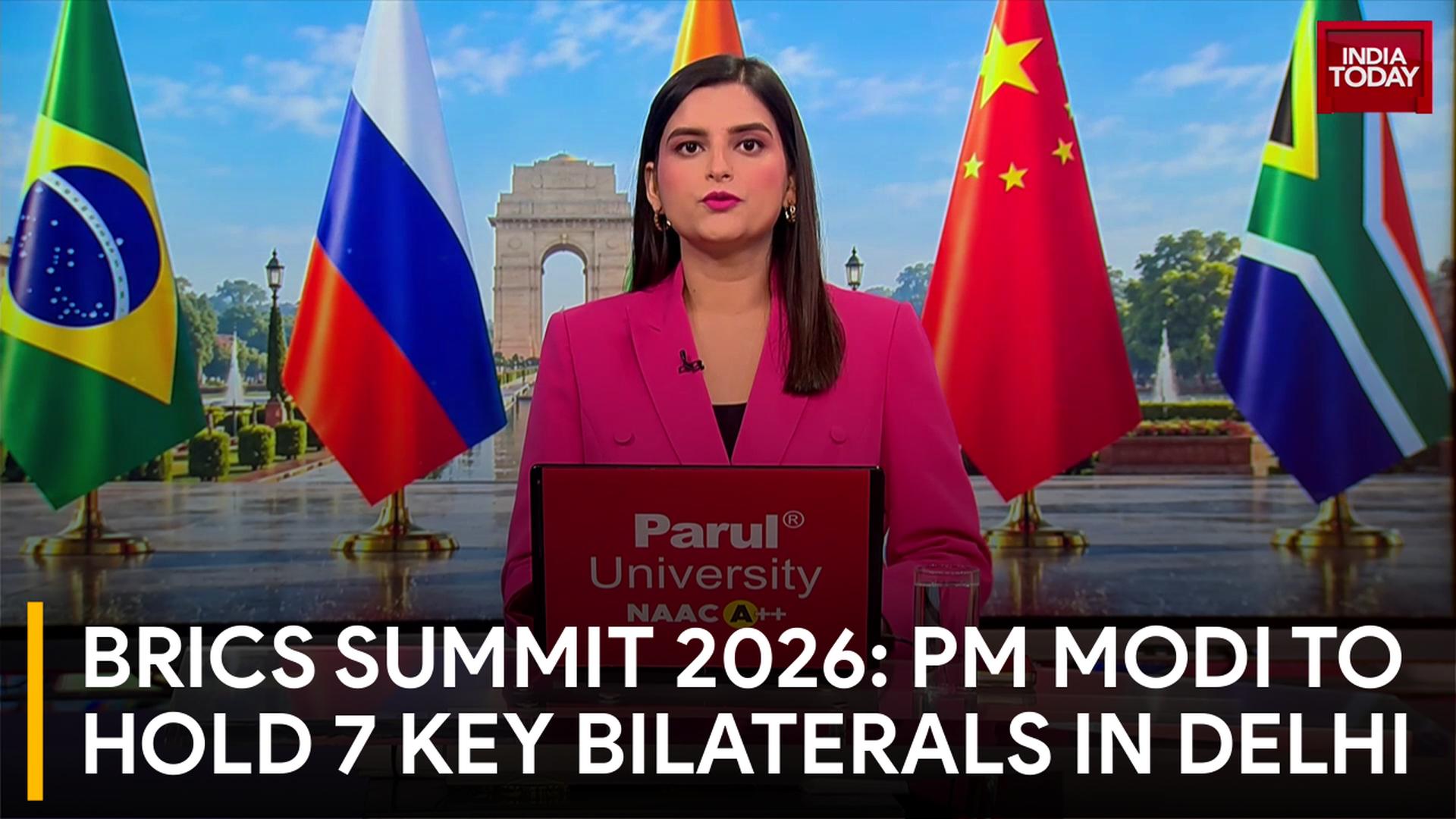
In a recent interview with India Today, Ashok Kantha, former Indian Ambassador to China, provided a sobering perspective. He characterized the current diplomatic engagement as a highly calibrated and incremental process, cautioning that "we cannot rush into any kind of reset in relations." He emphasized that any progress toward normalization is strictly contingent upon maintaining peace and tranquility along the disputed border areas.
Why This Matters
BozokMedia analysis shows that the complexity of the India-China relationship extends far beyond military standoffs. It involves a deep-seated structural imbalance that requires long-term strategic patience rather than short-term diplomatic wins.
India must approach Beijing in a realistic and hard-headed manner while addressing core bilateral disputes through perseverance.
Kantha highlighted several critical structural impediments that continue to plague the relationship. These include the massive trade deficit, unfavorable terms of economic engagement, and China's strategic support to Pakistan. Furthermore, the mega hydropower project at Medog in Tibet has emerged as a significant point of geopolitical concern for New Delhi.
Historical Background
The relationship between the world's two most populous nations has been defined by periods of intense competition and sporadic cooperation. From the border conflicts of the 1960s to the recent tensions in the Galwan Valley, the lack of mutual trust has consistently undermined economic and diplomatic efforts to bridge the gap.
Frequently Asked Questions
1. Can the BRICS Summit resolve the border dispute?
According to experts, summit meetings are supplementary; actual resolution depends on ground-level stability and continuous dialogue.
2. What are the main economic concerns mentioned?
The primary concerns include the significant trade deficit and the specific terms of economic engagement between the two nations.