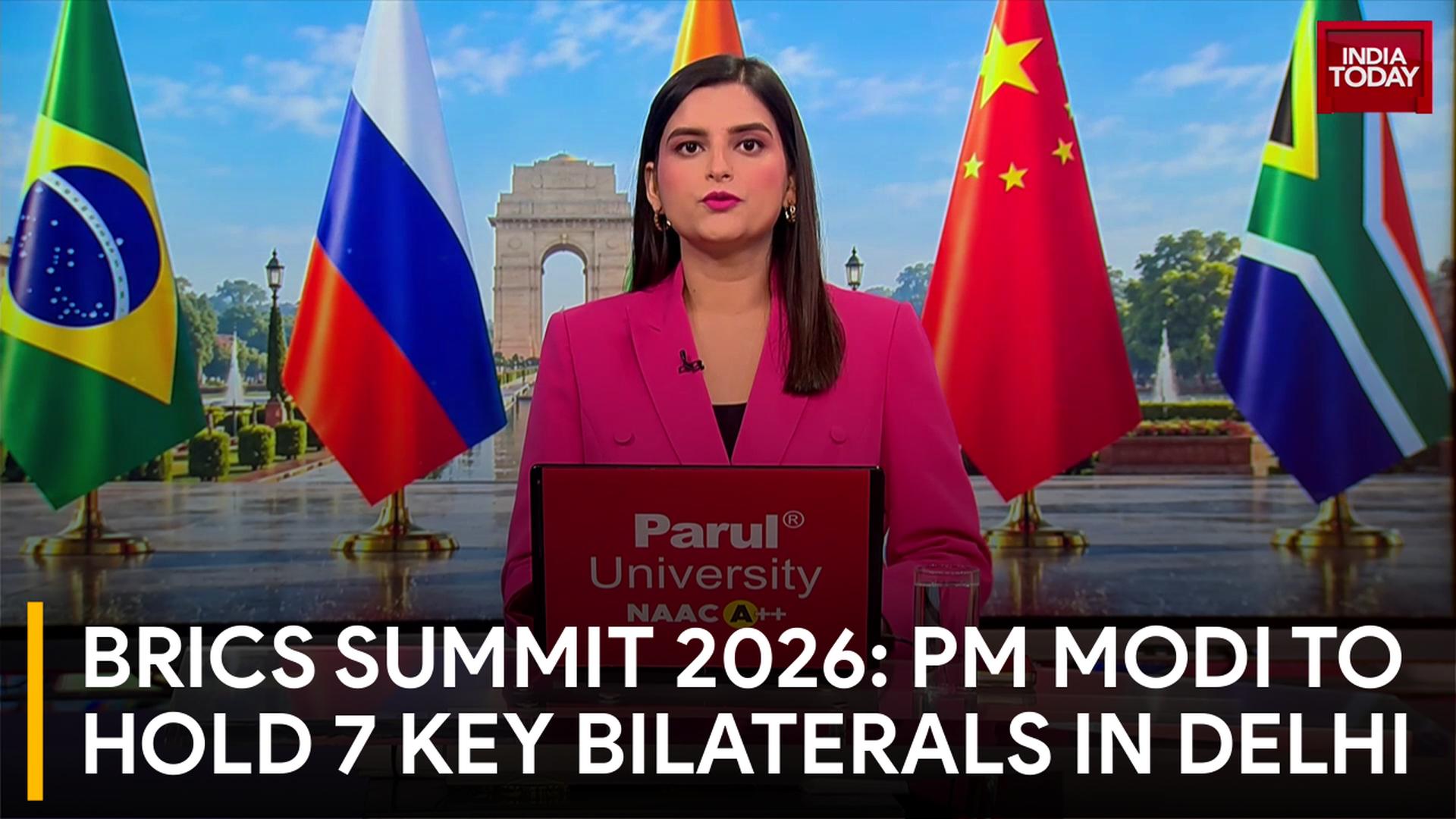
An in-depth look at how India has transitioned from a perceived 'weak link' to a central growth engine within the BRICS bloc over the last 14 years.
- India has evolved from a peripheral player to a core economic driver in BRICS.
- The expansion of the bloc introduces new geopolitical complexities and opportunities.
- China's economic dominance remains a significant hurdle for collective bloc stability.
The narrative surrounding India within the BRICS alliance has undergone a radical transformation over the past 14 years. In the early stages of the bloc's formation, many global analysts categorized India as a 'weak link'—a nation struggling to find its footing amidst the heavyweights of Brazil, Russia, India, and China. Today, that perception has been shattered, replaced by India's emergence as a pivotal 'growth engine' and a leading voice for the Global South.
India's ascent is rooted in its robust macroeconomic stability and a sophisticated foreign policy that emphasizes strategic autonomy. Unlike other members that often lean heavily toward specific geopolitical poles, India has masterfully navigated the tension between Western alliances and the emerging multipolar world. This dual approach has allowed New Delhi to leverage BRICS to amplify its global ambitions without alienating its traditional partners.
Why This Matters
BozokMedia analysis shows that the shifting dynamics within BRICS are not just economic, but represent a fundamental restructuring of global power. As the bloc expands, the stakes for India increase. The ability of the group to function as a cohesive unit depends heavily on whether it can move beyond being an 'anti-West' bloc to becoming a constructive alternative for global governance.
India's role in BRICS has shifted from being a supporting actor to a primary character in the global geopolitical drama.
However, the shadow of China continues to loom large. Beijing remains the largest trading partner for every single member of the bloc, creating an inherent economic imbalance. For India, the challenge lies in ensuring that the expansion of BRICS leads to a more inclusive and diverse economic ecosystem rather than a China-centric hegemony.
Historical Background
The BRICS grouping was formally established in 2009, initially comprising Brazil, Russia, India, and China. The inclusion of South Africa in 2010 solidified the acronym. Over the last decade and a half, the bloc has undergone significant expansion, seeking to represent a larger portion of the world's population and GDP, thereby challenging the traditional dominance of the G7.
Frequently Asked Questions
Question 1: Is BRICS an anti-Western organization?
Answer: While it offers an alternative to Western-led institutions, it is more accurately described as a group representing emerging economies seeking a multipolar world.
Question 2: How does China affect India's position in BRICS?
Answer: China's massive economic footprint creates competition and influence that India must navigate to maintain its own strategic interests.