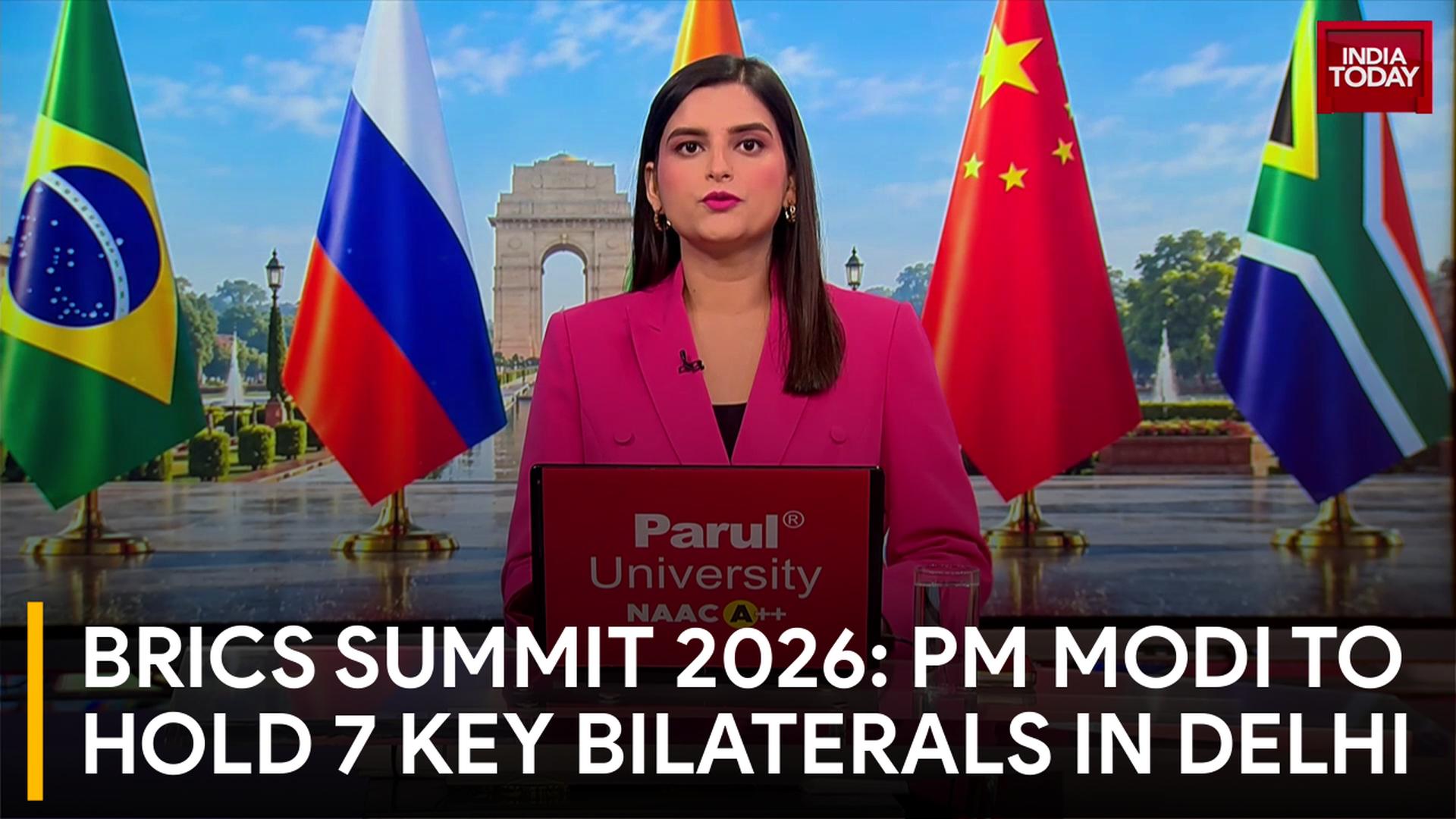
As BRICS completes two decades of evolution, it faces a critical crossroads marked by China's economic hegemony and the struggle to define its role in a multipolar world.
- BRICS has evolved from an economic acronym into a major geopolitical force.
- China's position as the largest trading partner for all members creates significant internal tension.
- India plays a pivotal role in preventing the group from becoming a purely anti-West bloc.
The evolution of BRICS over the past twenty years marks one of the most significant shifts in the global order. What began as an acronym for emerging economies has transformed into a formidable geopolitical entity representing the interests of the Global South. However, as the group expands, it faces internal fractures that could undermine its collective strength.
The Shadow of Chinese Economic Dominance
A recurring theme in recent geopolitical analyses is the looming shadow of China over the BRICS alliance. Beijing currently stands as the largest trading partner for every single member nation within the group. This economic asymmetry raises concerns regarding the group's ability to act as a truly independent collective. There is a growing fear that the group's agenda could be disproportionately steered by Chinese interests.
Why This Matters
BozokMedia analysis shows that the survival of BRICS as a meaningful multilateral organization depends on its ability to manage this power imbalance. If the group is perceived merely as an instrument of Chinese foreign policy, it risks losing the trust of other key players like India and Brazil.
The true test for BRICS lies in transitioning from a collection of interests to a unified vision for global governance.
India's strategic positioning is vital in this context. Rather than allowing BRICS to be pigeonholed into an 'anti-West' box, Indian diplomacy seeks to steer the group toward being a constructive platform for reforming global institutions. The goal is to ensure BRICS remains a space for cooperation rather than a mere theater for confrontation with the G7.
Historical Context and Global Implications
Historically, BRICS emerged to challenge the unipolarity of the post-Cold War era. By fostering cooperation among emerging markets, the group aimed to democratize international finance and politics. As it moves into its third decade, the inclusion of new members has increased its footprint but also added layers of complexity in terms of political alignment and strategic objectives.
Frequently Asked Questions
1. Is BRICS an anti-Western alliance?
While some members hold views critical of Western hegemony, the group—particularly through the lens of India—is intended to be a platform for global reform rather than a direct military or political bloc against the West.
2. How does China influence BRICS?
China's influence is primarily economic, acting as a dominant trade partner, which grants it significant leverage in discussions regarding the group's economic direction.