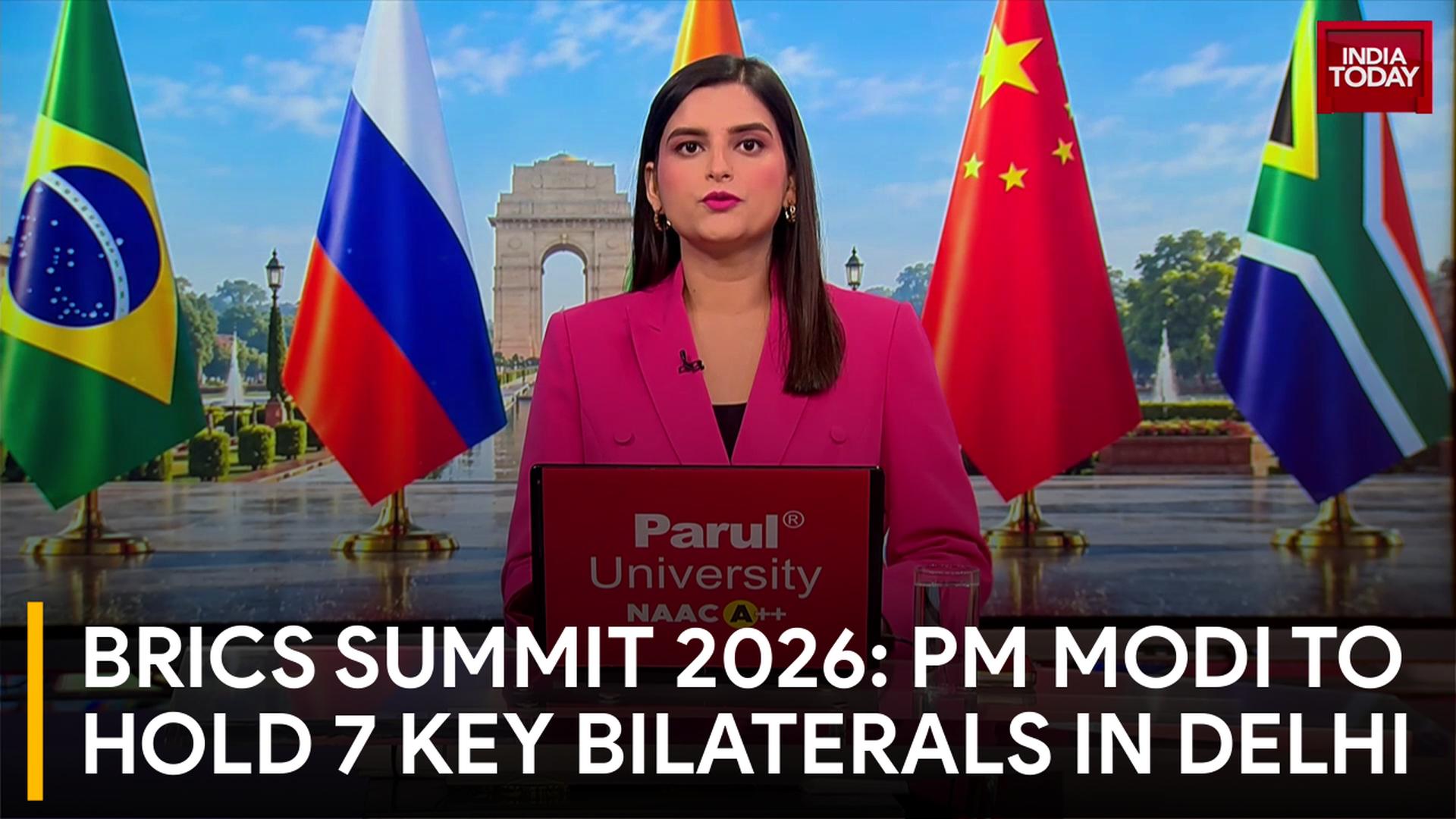
The United Nations has backed Prime Minister Narendra Modi's push for urgent reforms in the UN Security Council. Additionally, the UN praised the leadership and impact of BRICS in driving global change.
- The UN has formally acknowledged PM Modi's demand for UNSC structural reforms.
- The UN Spokesperson lauded the role of BRICS in advocating for global equity.
- Emphasis placed on the need for a more inclusive and representative global governance model.
In a significant diplomatic development, the United Nations has expressed support for the vision shared by Prime Minister Narendra Modi regarding the urgent need for reforms in the UN Security Council (UNSC). During recent high-level interactions, the UN spokesperson emphasized that the time for restructuring the global security architecture is now, echoing the Prime Minister's sentiment that 'this is the right time for change.'
The UN also took the opportunity to commend the BRICS nations for their leadership and their role in shaping the discourse on global reforms. The spokesperson noted that the momentum generated by BRICS reflects the growing aspirations of the Global South, demanding a seat at the table in decision-making processes that affect them.
Why This Matters
BozokMedia analysis shows that the legitimacy of the United Nations hinges on its ability to evolve. The current UNSC structure remains a relic of the post-WWII era, failing to account for the rise of major economies like India. Without meaningful reform, the gap between global reality and institutional representation will continue to widen, potentially undermining international law.
"The push for UNSC reform is no longer a peripheral demand but a central necessity for 21st-century global stability."
Historically, the veto power held by the five permanent members has often led to paralysis in the face of modern conflicts. India's persistent advocacy for a permanent seat, alongside other emerging powers, has gained significant traction, as evidenced by this recent UN acknowledgement.
Historical Background
The United Nations was founded in 1945 to prevent future global conflicts. However, the geopolitical landscape has transformed radically since then. The emergence of blocs like BRICS signifies a shift toward a multipolar world where power is no longer concentrated in a single handful of nations.
Frequently Asked Questions
1. Why is India seeking a permanent seat in the UNSC?
To ensure that the world's largest democracy and a major global economic power have a decisive role in international security decisions.
2. How does BRICS influence the UN?
BRICS acts as a collective voice for emerging economies, pushing for a more equitable distribution of power in international institutions.