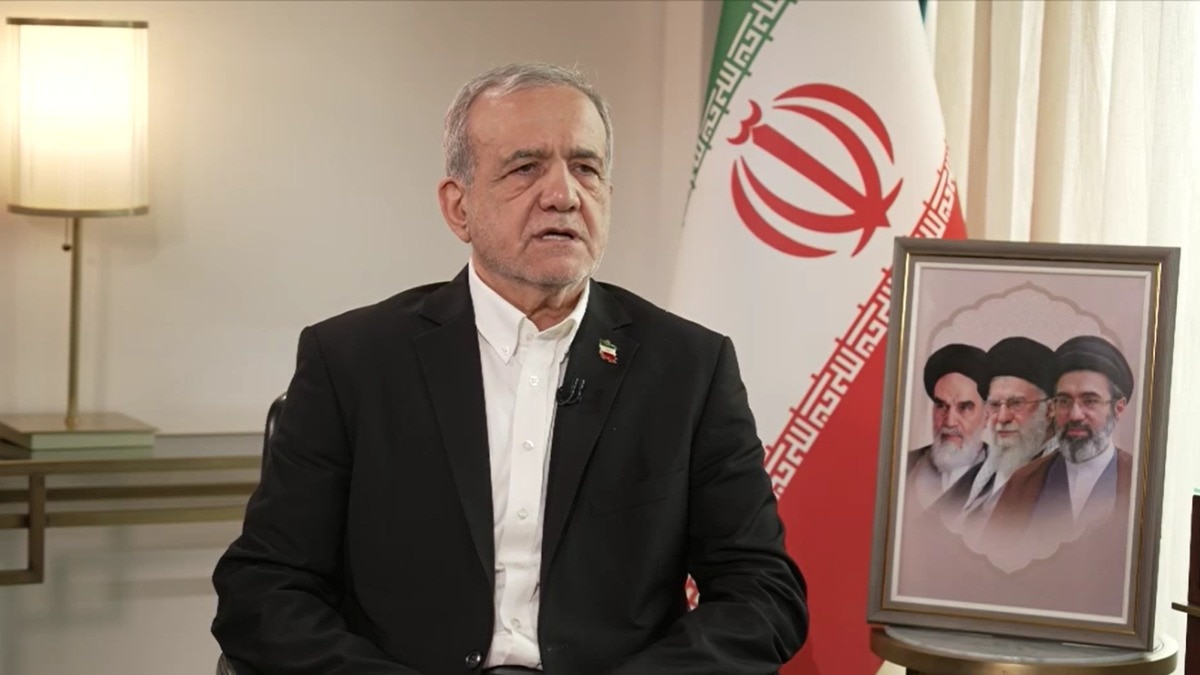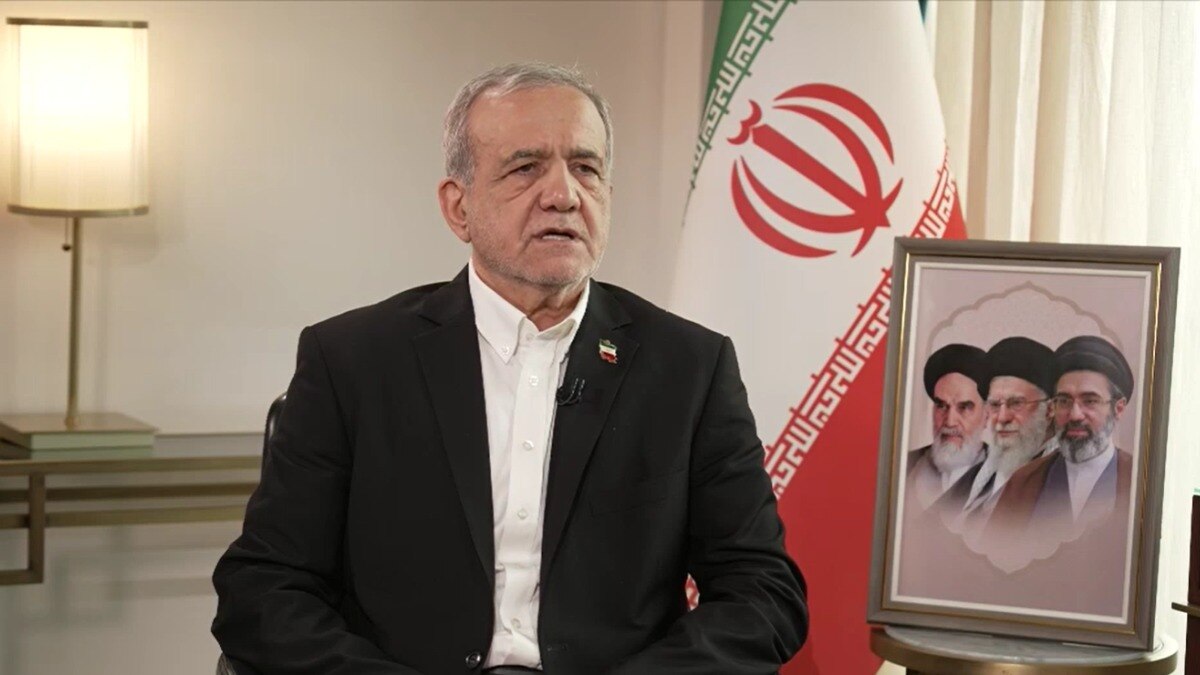
In a bombshell interview, Iranian President Masoud Pezeshkian asserted that US attempts to destabilize Iran and install a puppet regime—similar to tactics used in Venezuela—have failed due to national unity.
- The US aimed to overthrow the Iranian government within 24 hours.
- Pezeshkian compared US strategy to interventions in Venezuela and Syria.
- Iranian citizens rallied behind the state despite targeted military attacks.
- Iran remains open to nuclear negotiations under NPT frameworks.
In a high-stakes interview with India Today, Iranian President Masoud Pezeshkian has delivered a stinging critique of United States foreign policy. Pezeshkian claimed that Washington harbored ambitions to topple the Iranian administration within a mere 24-hour window and install a "puppet government," mirroring strategies allegedly employed in Venezuela and Syria.
The President detailed how the US underestimated the resilience of the Iranian people. According to Pezeshkian, the strategic objective of the West was to create a vacuum of power by targeting military commanders, senior officials, and critical national infrastructure. The expectation was that such decapitation strikes would lead to societal collapse and government surrender.
Why This Matters
BozokMedia analysis shows that these remarks signal a hardening of Iran's diplomatic stance. By framing US actions as attempts to replicate the chaos seen in Syria, Pezeshkian is attempting to consolidate domestic support and appeal to the Global South by highlighting what he describes as Western imperialist overreach.
"The US calculation failed because it ignored the deep-seated resilience and territorial integrity that unites the Iranian populace."
Pezeshkian further accused the United States of engaging in "savage" tactics by imposing economic blockades. He alleged that Washington is actively attempting to obstruct naval and land routes to prevent the importation of essential goods, including food and life-saving medicines. He noted that these actions directly contradict the US's stated commitment to global human rights.
Despite the intense geopolitical friction, the Iranian leader maintained a nuanced position regarding the nuclear impasse. He stated that Iran is prepared to engage in negotiations concerning its nuclear program, provided such discussions occur within the framework of the Nuclear Non-Proliferation Treaty (NPT) and other internationally recognized principles.
Historically, the relationship between Tehran and Washington has been defined by decades of mistrust, starting from the 1979 Islamic Revolution. The current tension highlights a cycle of sanctions and counter-measures that continue to shape the stability of the Middle East.
Frequently Asked Questions
1. What did Pezeshkian compare Iran's situation to?
He compared the US strategy in Iran to the political upheavals and interventions seen in Venezuela and Syria.
2. Is Iran willing to discuss its nuclear program?
Yes, Pezeshkian stated that Iran is open to negotiations within the framework of the NPT.