As India's energy demands skyrocket, balancing the resource-rich BRICS bloc with the strategic QUAD alliance is becoming a vital necessity for New Delhi.
- BRICS holds the potential to be the world's most powerful energy-guaranteeing bloc.
- The group creates a unique synergy between energy surplus nations (Russia, Saudi Arabia) and deficit nations (India, China).
- India's foreign policy is driven by 'multipolarity,' making both QUAD and BRICS essential.
- Formalizing energy trade in national currencies could reshape global financial orders.
In the shifting landscape of global geopolitics, energy security has emerged as the cornerstone of national sovereignty. According to expert Narendra Taneja, the BRICS grouping possesses the structural integrity—including a dedicated bank and massive resource reserves—to become the world's most reliable energy guarantor. Unlike the G20, which focuses on policy dialogue, BRICS contains the actual 'flesh and bones' of the global energy market.
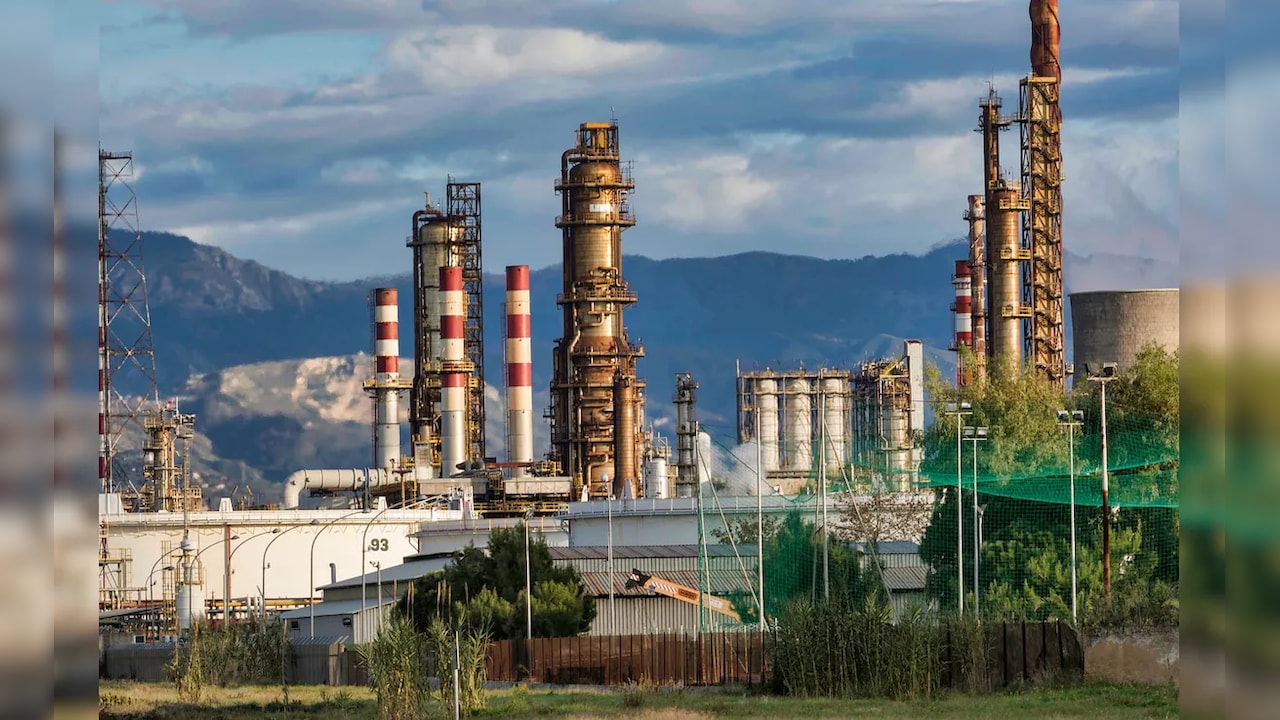
The interdependence within BRICS is stark and significant. On one side, we have energy superpowers like Saudi Arabia with its 267 billion barrels of crude, Iran with its massive natural gas reserves, and Russia, which has become a critical supplier to India. On the other side, we have the world's hungriest consumers: India and China. With India's oil imports projected to rise from 5.2 million barrels daily to 8 million barrels by 2045, the need for a structured supply chain is urgent.
Why This Matters
BozokMedia analysis shows that India's strategic autonomy relies on its ability to navigate multiple alliances simultaneously. India is not looking to challenge the West; rather, it is pursuing a multipolar world order. While BRICS offers a direct route to energy supply through resource-rich members, the QUAD provides a strategic partnership with energy-surplus nations like the United States and Australia.
Whoever controls the global oil order controls the world; India must build its own sphere of influence through energy security.
Historically, control over energy has dictated the rise and fall of empires. From the British Empire to the dominance of the US Dollar in oil trade, energy has always been the ultimate lever of power. Today, the global South is increasingly recognizing that access to resources like those in the Persian Gulf or the frozen reserves of Greenland is the true driver of international conflict.
For India, the objective is clear: secure the supply through BRICS while maintaining high-tech and strategic partnerships through QUAD. Furthermore, the potential for formalizing energy trade within BRICS using national currencies offers a path toward economic diversification without necessarily engaging in a direct, aggressive de-dollarization campaign.
Frequently Asked Questions
1. How does BRICS benefit India's energy needs?
BRICS connects India (a major importer) with massive producers like Russia and Saudi Arabia, ensuring a more stable supply.
2. Is India choosing between BRICS and QUAD?
No, India follows a multipolar approach, utilizing BRICS for resource security and QUAD for strategic and technological cooperation.