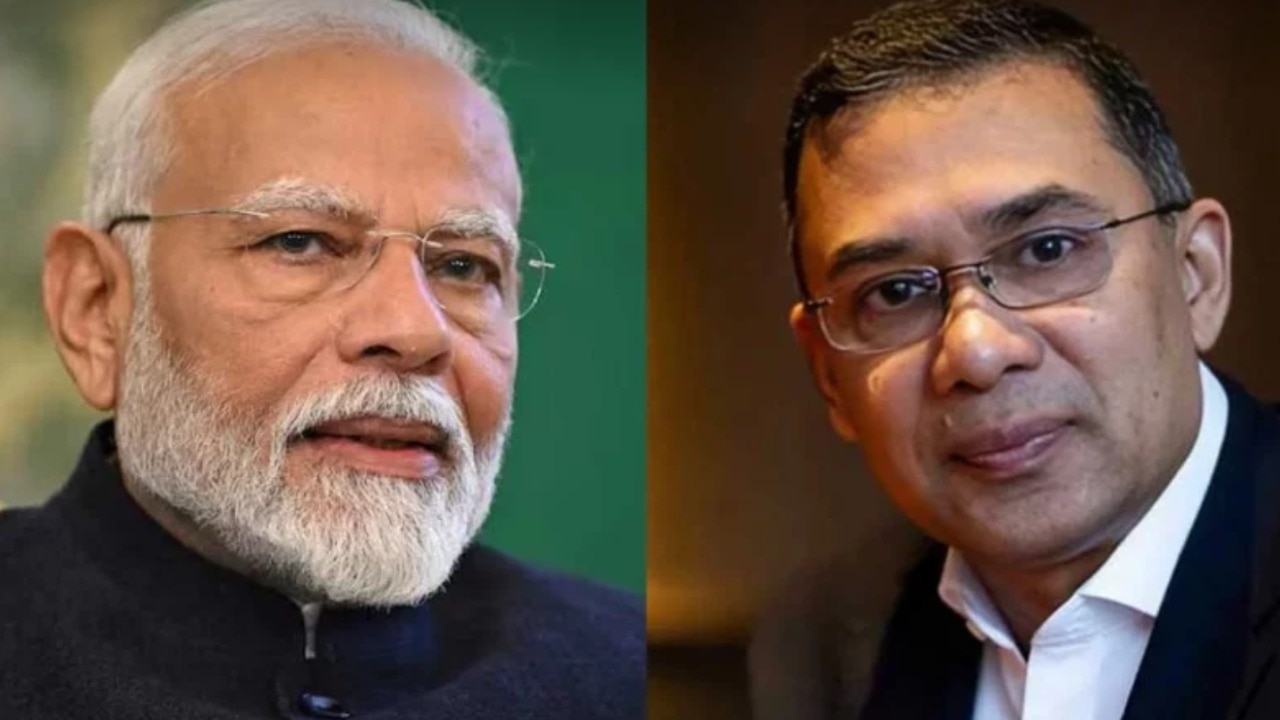
Expert Brahma Chellaney has analyzed the shifting global landscape, suggesting that while the US focuses on China, China's underlying strategies pose the true systemic threat. Meanwhile, BRICS nations have united against US unilateral tariffs.
- Brahma Chellaney identifies China's expansionist economic policies as a primary driver of global instability.
- BRICS nations have issued a collective warning against US unilateral tariff imposition.
- Adherence to WTO rules is being demanded by emerging economies to ensure fair global trade.
In a profound geopolitical analysis, renowned expert Brahma Chellaney has highlighted a critical distinction in the current global power struggle. While much of the Western discourse focuses on the immediate friction between the United States and China, Chellaney argues that the true 'villain' lies in China's long-term strategic maneuvers designed to reshape the global order. He suggests that America's response, while necessary, often fails to address the depth of China's systemic intentions.
The BRICS Counter-Move Against US Protectionism
The geopolitical landscape is witnessing a significant shift as the BRICS nations have come together to challenge the hegemony of Western economic policies. In a direct message to Washington, BRICS members have asserted that arbitrary tariffs and protectionist measures will no longer be tolerated. They have demanded a return to the foundational rules of the World Trade Organization (WTO) to prevent economic coercion.
Why This Matters
BozokMedia analysis shows that this is not merely a trade dispute but a fundamental battle for the future of global governance. The emergence of a unified BRICS front signals a move toward a multipolar world where the dominance of the US dollar and Western-led institutions is being actively contested.
The real danger posed by China is not its trade deficit, but its capacity to manipulate global norms to suit its strategic objectives.
Furthermore, the debate over the Carbon Border Tax has added fuel to the fire. BRICS nations view such environmental levies as potential tools used by developed nations to stifle the industrial growth of emerging economies, adding a layer of complexity to the North-South economic divide.
Historical Background
The post-WWII era established a rules-based international order designed to foster cooperation through institutions like the WTO. However, the rise of China as an economic superpower and the subsequent shift toward 'America First' policies have fractured this consensus, leading to the current era of heightened economic nationalism.
Frequently Asked Questions
1. Why are BRICS nations opposing the US?
They are protesting against the imposition of unilateral tariffs and the disregard for international trade rules by the US.
2. What is Brahma Chellaney's core argument?
He argues that China's strategic intentions to alter the global order are a more significant threat than the immediate trade friction with the US.