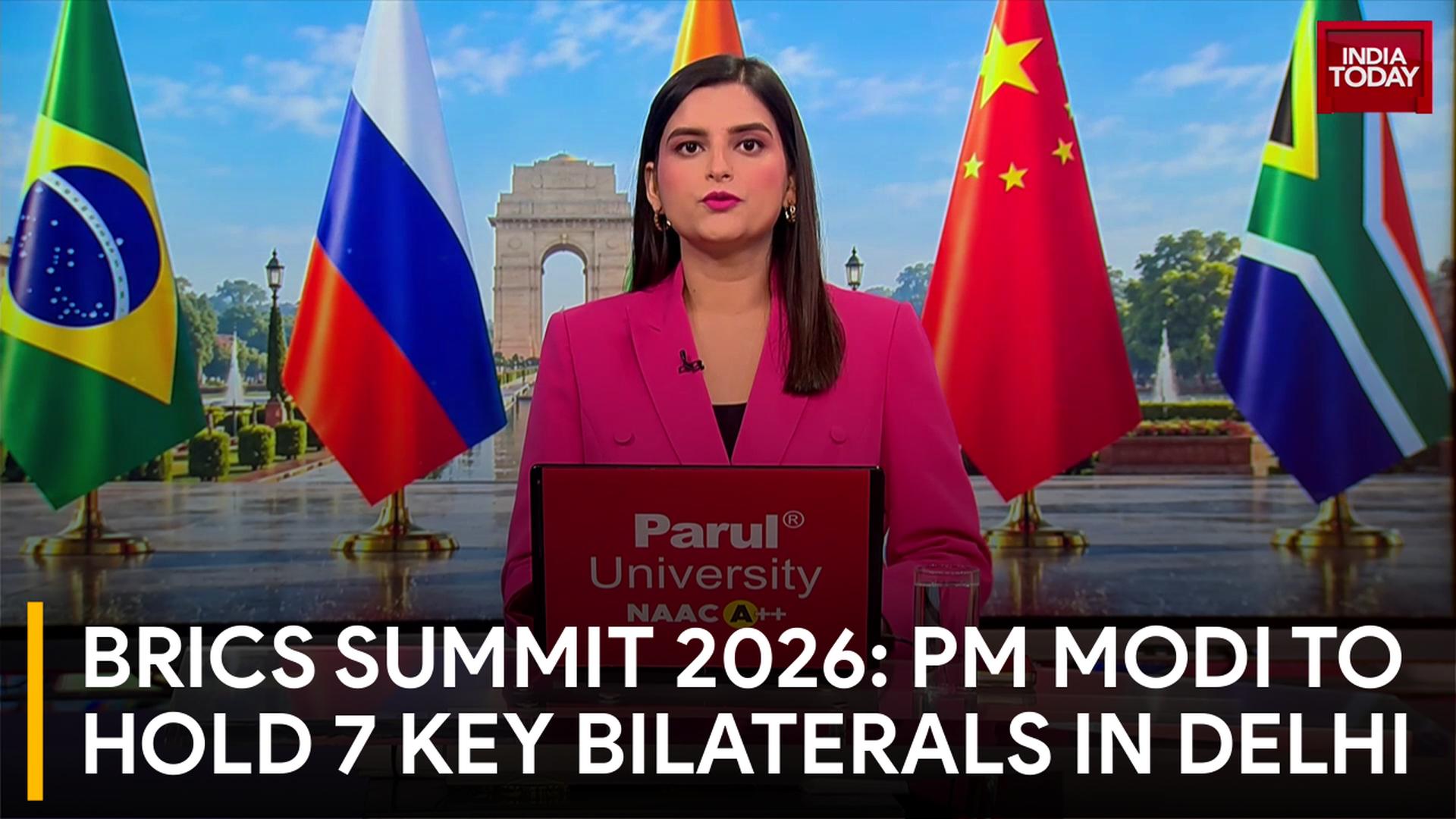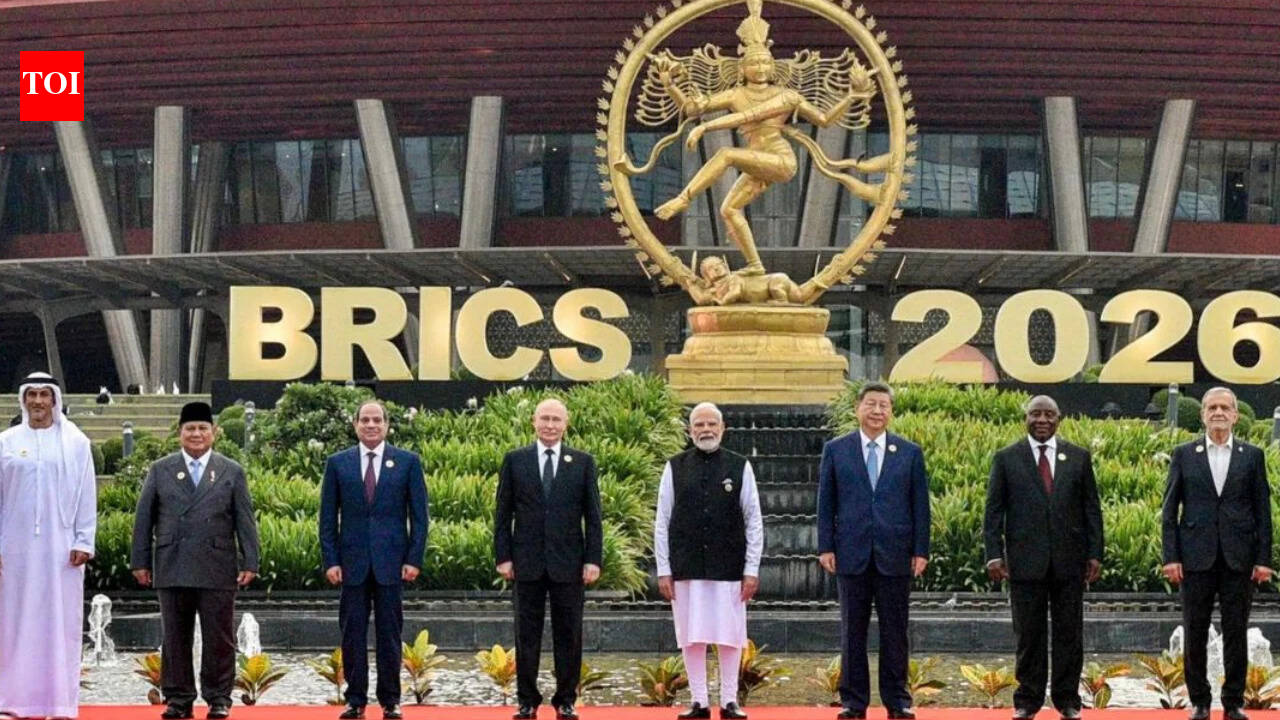
In a major diplomatic victory, India successfully bridged the divide between Iran and the UAE at the 2026 BRICS Summit, leading to a landmark joint declaration in New Delhi. The consensus addresses global terrorism, civilian infrastructure protection, and regional stability in West Asia.
- India successfully reconciled sharp differences between Iran and the UAE regarding the West Asia conflict.
- BRICS leaders adopted a 'zero tolerance' stance against terrorism and attacks on civilian infrastructure.
- The declaration expressed strong concern over the forced displacement of Palestinians in Gaza.
- China and Russia reiterated support for India and Brazil's greater role in the UN Security Council.
In a significant diplomatic triumph reminiscent of India's 2023 G20 presidency, BRICS member-states have reached a consensus on a joint declaration following marathon negotiations at the Bharat Mandapam in New Delhi. The breakthrough came after intense, late-night discussions that lasted until 4 AM on Saturday, resolving a stalemate that had previously stalled foreign minister meetings.
The negotiations were particularly challenging due to the starkly different positions held by the UAE and Iran regarding the ongoing conflict in West Asia. However, the impasse was broken through a rare, high-level meeting between Iranian President Masour Pezeshkian and Abu Dhabi Crown Prince Sheikh Khaled bin Mohamed bin Zayed Al Nahyan, facilitated by Indian diplomatic efforts.
Why This Matters
BozokMedia analysis shows that India's ability to navigate these complex geopolitical tensions reinforces its status as a 'bridge-builder' in a multipolar world. By facilitating a compromise that addresses both civilian safety and nuclear safeguards, India has ensured that the BRICS summit did not end in fragmentation but in unified action.
India's strategic autonomy and mediation skills have once again positioned New Delhi as the indispensable voice of the Global South.
The resulting 140-paragraph New Delhi Declaration, announced by PM Narendra Modi, uses carefully nuanced language to avoid naming specific aggressors while emphasizing the sanctity of the UN Charter. It expresses deep concern over attacks on civilian infrastructure and peaceful nuclear facilities under IAEA safeguards, a move seen as a subtle but crucial diplomatic stance regarding recent tensions in the region.
On the issue of security, the declaration was unequivocal in its condemnation of terrorism. It labeled acts of terror as "criminal and unjustifiable, regardless of their motivation" and specifically reiterated condemnation of the Pahalgam terrorist attack. The document also emphasized the fight against terrorism financing and the cross-border movement of terrorists.
Regarding the Palestinian issue, the BRICS nations expressed profound concern over the continued violence in Gaza despite the 2025 ceasefire. The leaders called for an end to any policies aimed at the forced displacement of Palestinians, asserting their inalienable rights.
Historical Background
The BRICS bloc has increasingly become a platform for countries seeking to reform global governance. India's role within this group has evolved from a participant to a strategic leader, helping to balance the interests of both Western-aligned members and those more aligned with the Russia-China axis.
Frequently Asked Questions
1. How did India help the BRICS summit succeed?
India led prolonged, multi-level negotiations to reconcile the conflicting interests of Iran and the UAE, ensuring a unified joint statement.
2. What was the stance on the Gaza conflict?
The declaration expressed deep concern over ongoing violence and strongly opposed any policies of forced displacement of the Palestinian people.