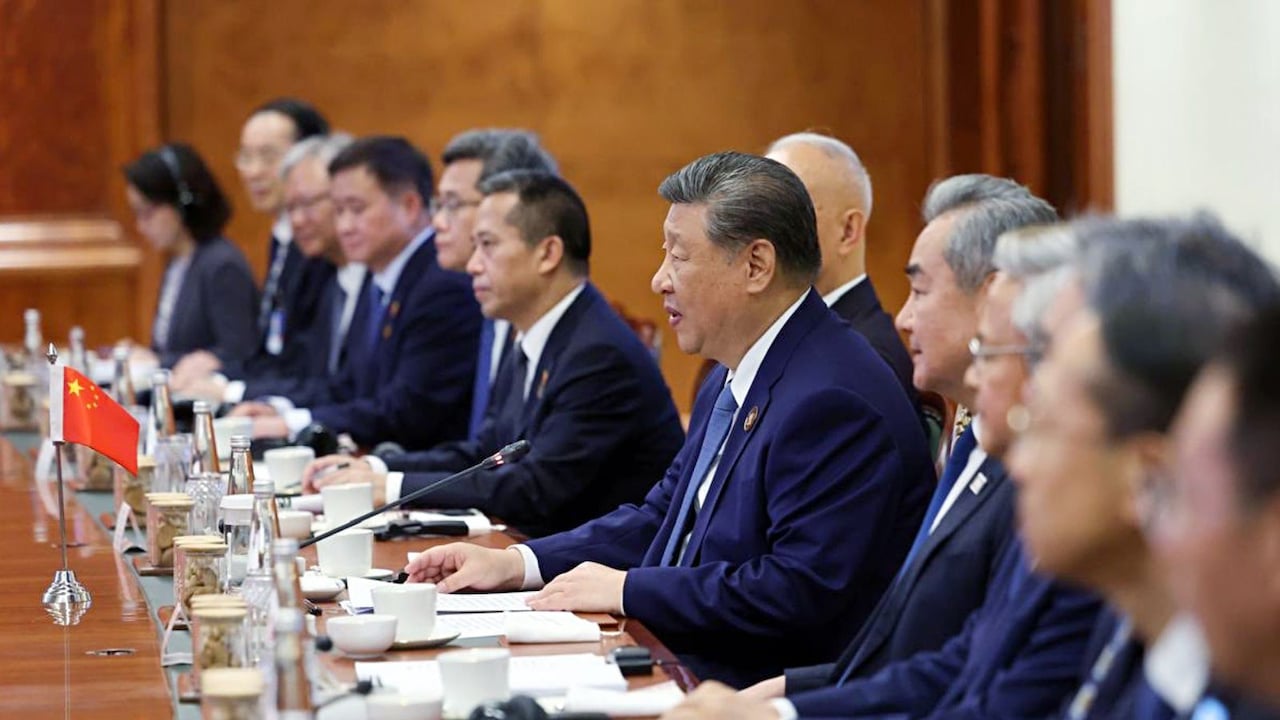
The BRICS summit has culminated in the adoption of the New Delhi Declaration, emphasizing a shift toward local currency trade and a strong call for stability in West Asia.
- Adoption of the landmark 'New Delhi Declaration' by BRICS nations.
- Strategic push for using local currencies in international trade.
- Urgent call for peace and stability in the West Asia region.
- Critical focus on India-China relations and LAC border security.
In a significant move for global geopolitics, the BRICS summit has concluded with the formal adoption of the New Delhi Declaration. This declaration marks a pivotal shift in the group's strategy, placing a heavy emphasis on enhancing economic sovereignty through the use of local currencies in bilateral and multilateral trade. This move is widely seen as an attempt to reduce the global reliance on the US Dollar and mitigate exchange rate volatility among member nations.
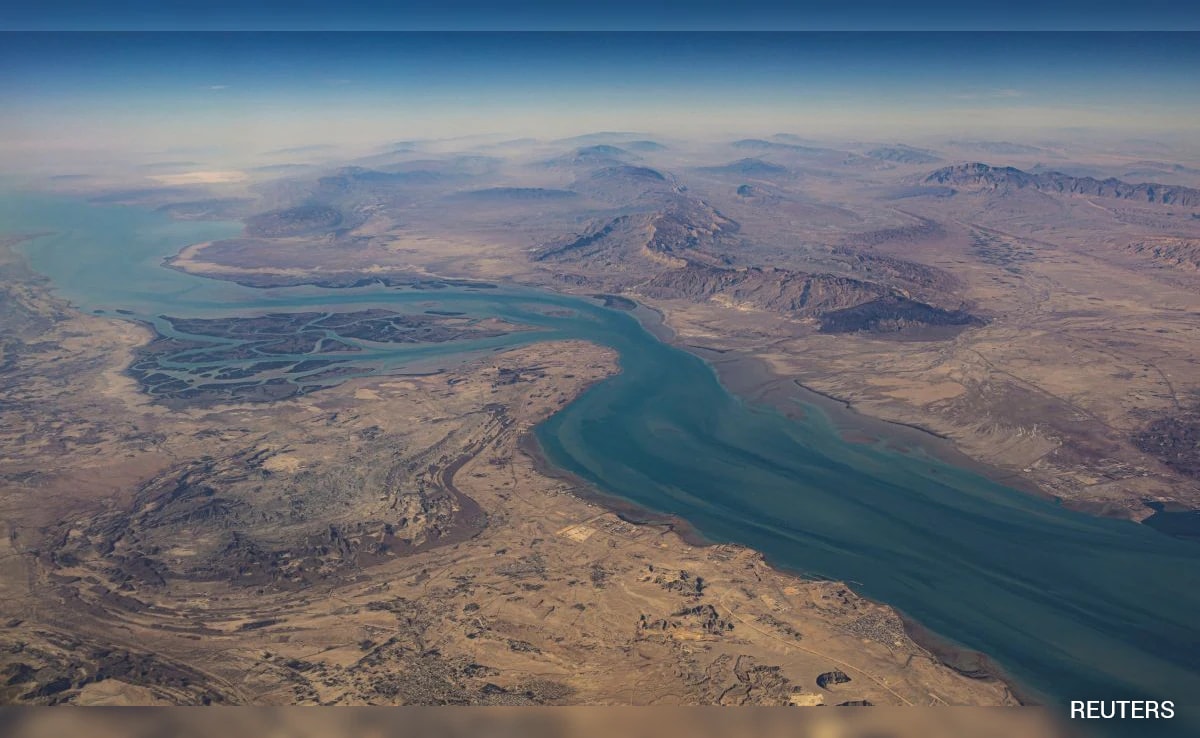
Beyond economics, the summit addressed the escalating tensions in West Asia. Leaders expressed profound concern over the ongoing conflicts involving Iran and the potential for wider regional instability. The disruption of vital maritime energy routes, specifically the Strait of Hormuz and the Bab el-Mandeb, remains a critical concern for global energy security and economic stability.
Why This Matters
BozokMedia analysis shows that the BRICS movement toward de-dollarization is not merely an economic preference but a strategic realignment of the Global South. While the push for local currency trade provides a buffer against external economic shocks, the volatility in West Asia poses a direct threat to inflation management in emerging economies like India, despite its impressive 7.8% GDP growth.
The transition toward local currency settlements represents a strategic effort to reconfigure the global economic power balance.
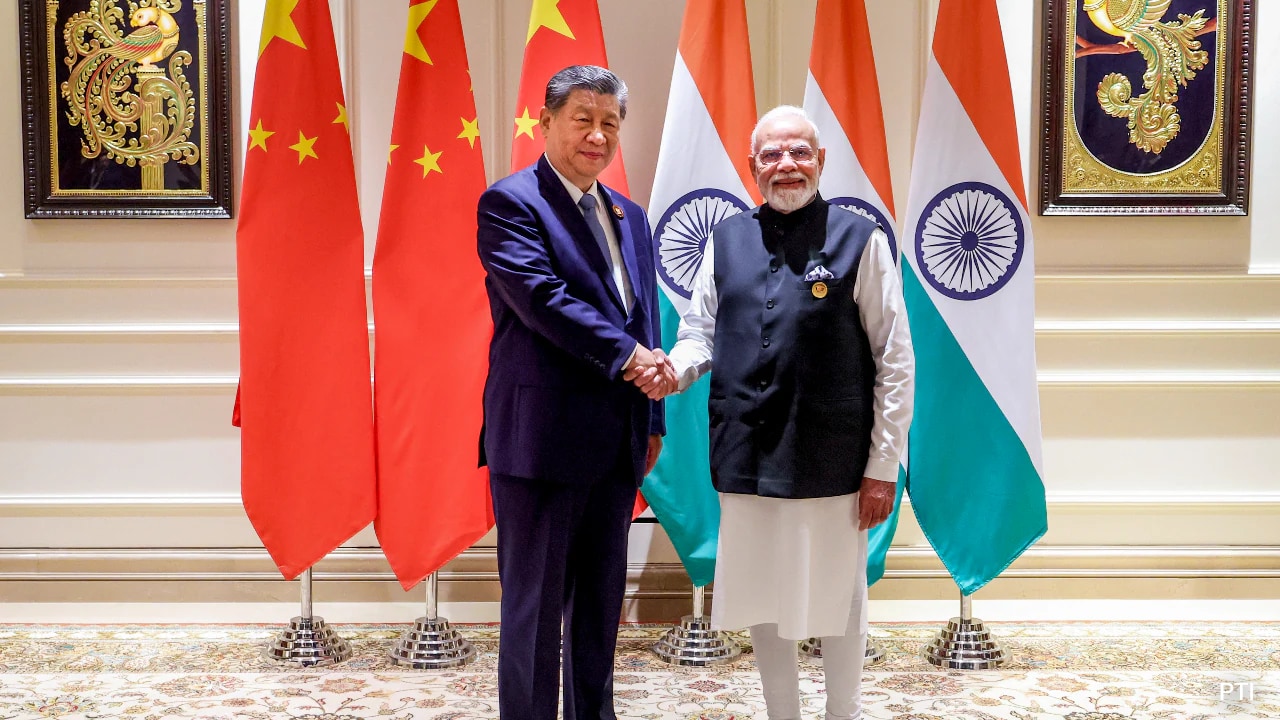
The summit also provided a backdrop for discussing the complex bilateral relationship between India and China. High-level engagement between Prime Minister Narendra Modi and President Xi Jinping highlighted the necessity of maintaining peace along the Line of Actual Control (LAC). Despite diplomatic efforts, issues such as high-altitude troop deployments and a massive trade deficit exceeding $100 billion continue to strain the relationship.
India has responded to these challenges by aggressively accelerating infrastructure development in frontier areas. This rapid construction serves a dual purpose: enhancing logistical capabilities and maintaining a strong strategic deterrence against potential incursions.
Historical Background
Since its inception, BRICS has evolved from a mere economic grouping into a powerful geopolitical bloc. The adoption of the New Delhi Declaration signifies the group's growing influence in shaping international norms and its commitment to a multipolar world order.
Frequently Asked Questions
1. Why is BRICS pushing for local currency trade?
To reduce dependence on the US Dollar and protect member economies from fluctuations in the dollar-dominated global financial system.
2. How does the conflict in West Asia affect India?
Instability in West Asia can lead to higher oil prices, which impacts India's fiscal deficit and domestic inflation rates.