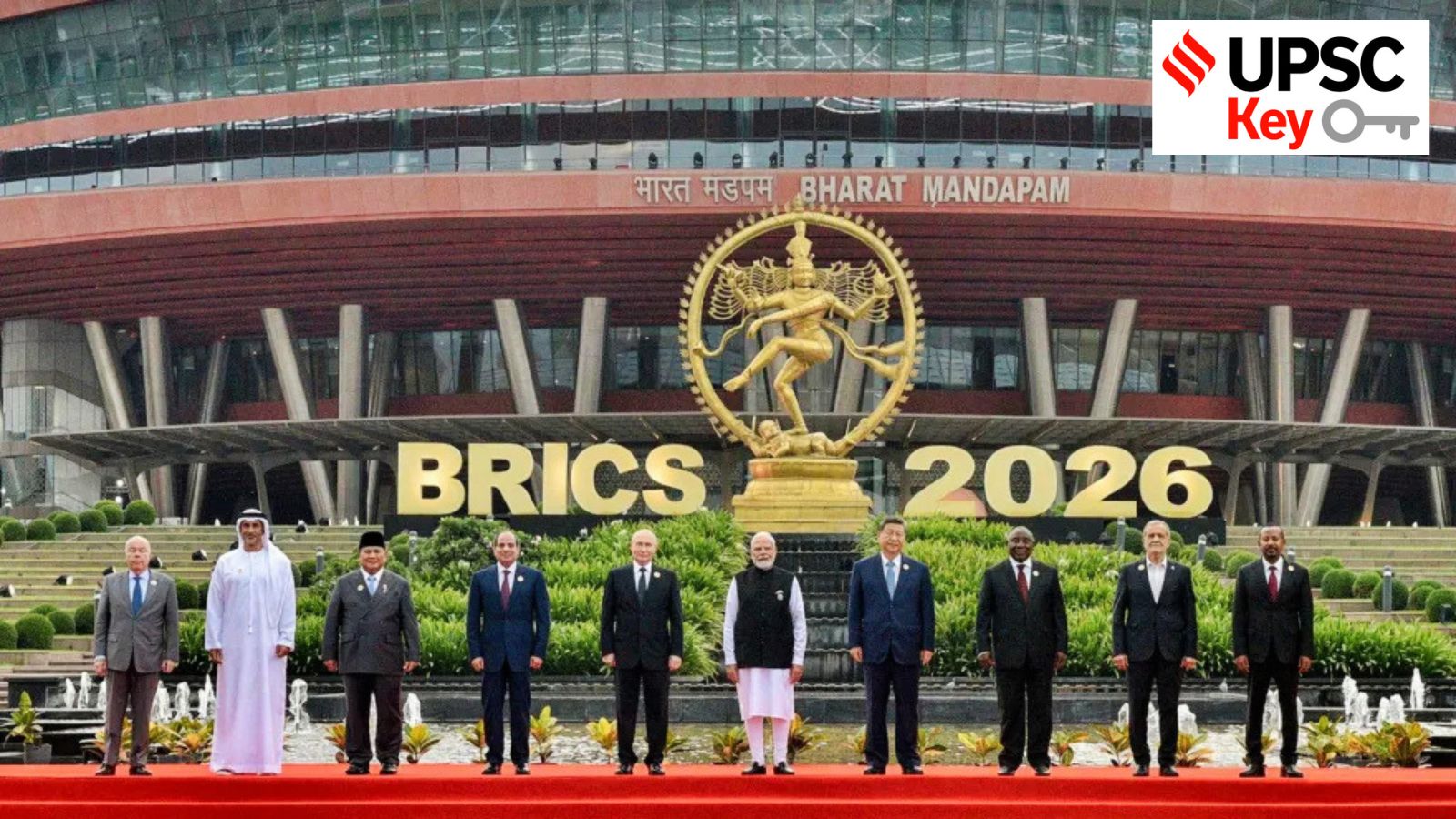
The BRICS Summit 2026 highlighted critical tensions as PM Modi warned against the weaponization of technology and minerals, while the bloc reached a consensus on the Iran conflict.
- PM Modi issued a stern warning against the 'weaponization' of critical minerals and advanced technology.
- The summit saw a consensus on the Iran conflict, though specific nations like the US and Israel were not explicitly named.
- The summit underscored the growing influence of the Global South in reshaping global governance.
The BRICS Summit 2026 has emerged as a pivotal moment in modern geopolitics, signaling a profound shift in how emerging economies interact with the established global order. On the second day of the summit, Prime Minister Narendra Modi delivered a powerful address, cautioning the world against the 'weaponization' of critical minerals and technology. This warning comes at a time when supply chains for essential components—ranging from semiconductors to rare earth elements—have become central to national security and geopolitical leverage.
In a significant diplomatic maneuver, the BRICS nations also reached a consensus regarding the ongoing tensions involving Iran. While the bloc expressed a unified stance on the conflict, they maintained a carefully calibrated neutrality by refraining from explicitly naming the United States, Israel, or Iran in their formal declaration. This move reflects the delicate balancing act required to maintain unity within a diverse group of nations with varying strategic interests.
Why This Matters
BozokMedia analysis shows that the BRICS bloc is evolving from a purely economic cooperative into a formidable political entity. The focus on 'weaponization' suggests that the next era of global competition will not just be about military might, but about the control of technological ecosystems and resource corridors. This shift challenges the traditional dominance of Western-led institutions.
Control over the supply chain of critical resources is becoming the new frontier of national sovereignty.
Historically, BRICS was seen as a platform for economic cooperation among emerging markets. However, the 2026 summit demonstrates that the group is now positioning itself as a primary stakeholder in global security and technological standardization. The presence of Xi Jinping during PM Modi's remarks highlights the complex intra-group dynamics as India seeks to lead a balanced and non-aligned path within the expanding bloc.
Frequently Asked Questions
1. What was PM Modi's main concern at the summit?
He warned against using critical minerals and advanced technology as tools of political coercion or 'weaponization.'
2. How did BRICS address the Iran-Israel conflict?
The bloc reached a consensus on the situation but chose not to name specific countries to maintain diplomatic unity.