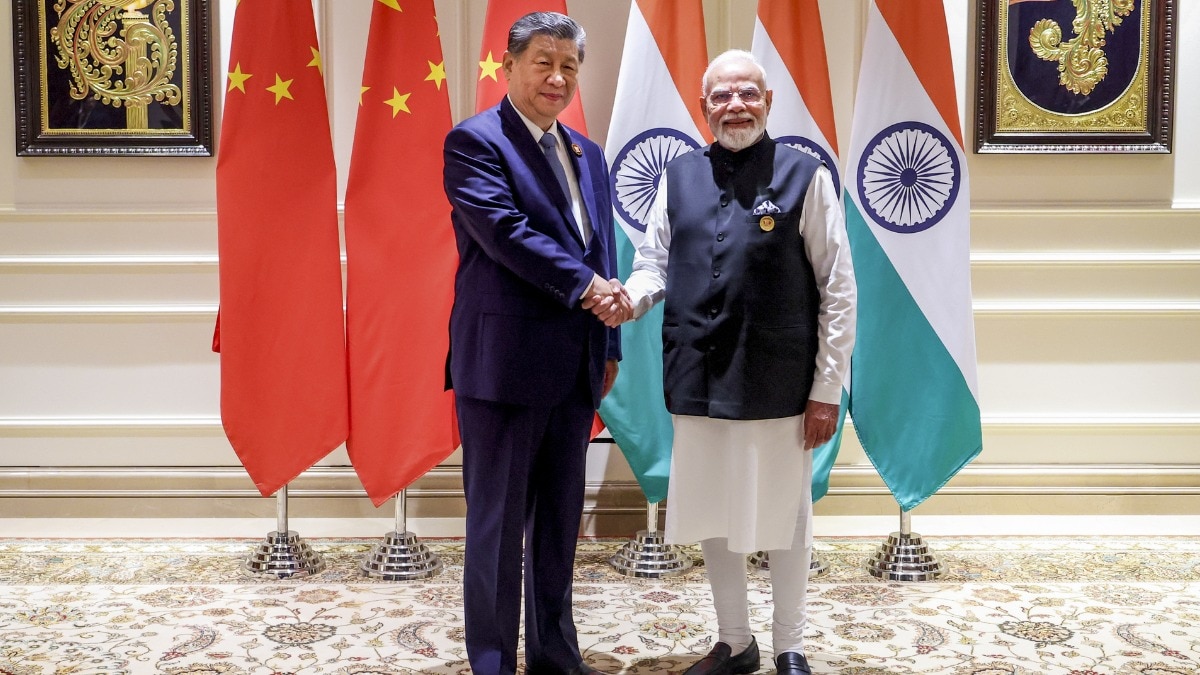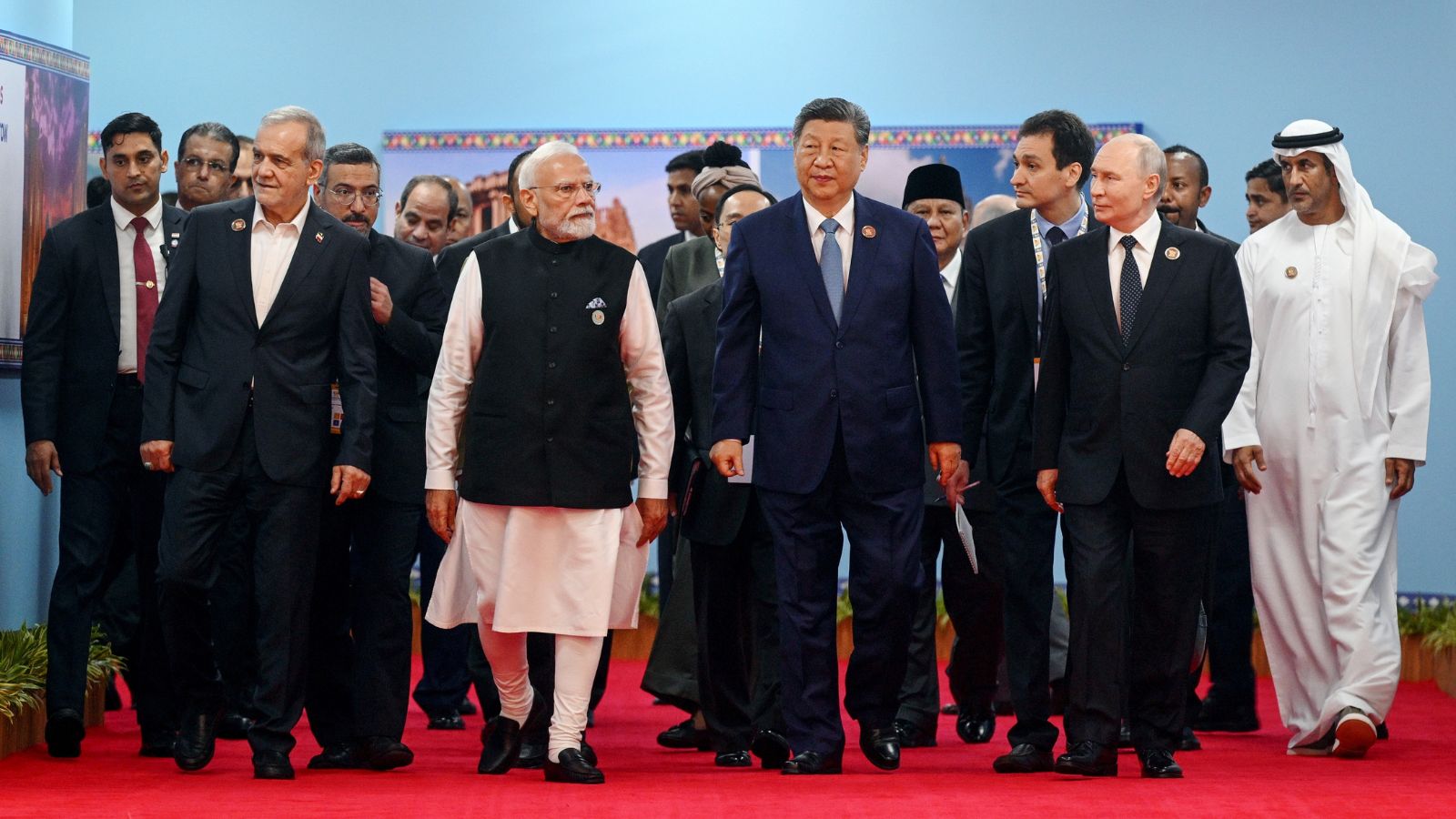
On Day 2 of the 2026 BRICS Summit, leaders are exploring avenues for inclusive growth and strengthening the collective economic power of emerging nations. The group now represents a massive share of global trade.
- BRICS now accounts for 40% of global GDP and 25% of global trade.
- The bloc has expanded to 11 members following the inclusion of Egypt, Ethiopia, Iran, and the UAE.
- The group serves as a strategic counterweight to Western-dominated financial institutions.
As the BRICS Summit 2026 enters its second day, the world's most influential emerging economies are converging to discuss strategies for inclusive growth. The summit is focusing on how member nations can leverage their collective economic weight to create more equitable growth opportunities across the Global South.
The journey of BRICS began in 2006 with the founding members: Brazil, Russia, India, and China. The addition of South Africa in 2010 marked a significant milestone. However, the most transformative shift occurred in 2024, when the group officially welcomed Egypt, Ethiopia, Iran, and the United Arab Emirates (UAE), bringing the total membership to 11 nations.
Historical Background
What started as an acronym for four emerging economies has evolved into a formidable geopolitical bloc. Over the last two decades, the expansion of BRICS has shifted it from a mere economic concept to a powerful collective representing nearly half of the world's population.
Why This Matters
BozokMedia analysis shows that the expansion of BRICS is not merely about increasing numbers; it is about shifting the center of gravity of global finance. Prime Minister Narendra Modi has highlighted that the grouping now commands 40% of the global GDP and 25% of global trade. This represents a direct challenge to the traditional hegemony of the World Bank and the International Monetary Fund (IMF), which have long been dominated by the Global North.
The expansion of BRICS signals a decisive move toward a multipolar global economic order.
By acting as a counterweight to Western-led institutions, BRICS provides a platform for non-Western nations to assert their economic sovereignty and shape global policies that reflect their unique developmental needs.
| Feature | Western-Led Institutions (IMF/WB) | BRICS Bloc |
|---|---|---|
| Primary Influence | Global North / Western Powers | Global South / Emerging Markets |
| GDP Representation | Historically Dominant | Rapidly Growing (40%) |
Frequently Asked Questions
1. Who are the newest members of BRICS?
Egypt, Ethiopia, Iran, and the UAE joined the group in 2024.
2. How much of the global GDP does BRICS represent?
BRICS currently represents approximately 40% of the global GDP.