At the 18th BRICS Summit in New Delhi, world leaders adopted the 'New Delhi Declaration' and warned against attacks on civilian and nuclear infrastructure amidst rising geopolitical tensions.
- The 18th BRICS Summit concluded with the adoption of the 'New Delhi Declaration'.
- Leaders warned against deliberate attacks on civilian infrastructure and IAEA-protected nuclear facilities.
- A last-minute compromise between Iran and the UAE ensured full consensus.
- PM Modi advocated for BRICS to transition from 'rule-takers to rule-shapers'.
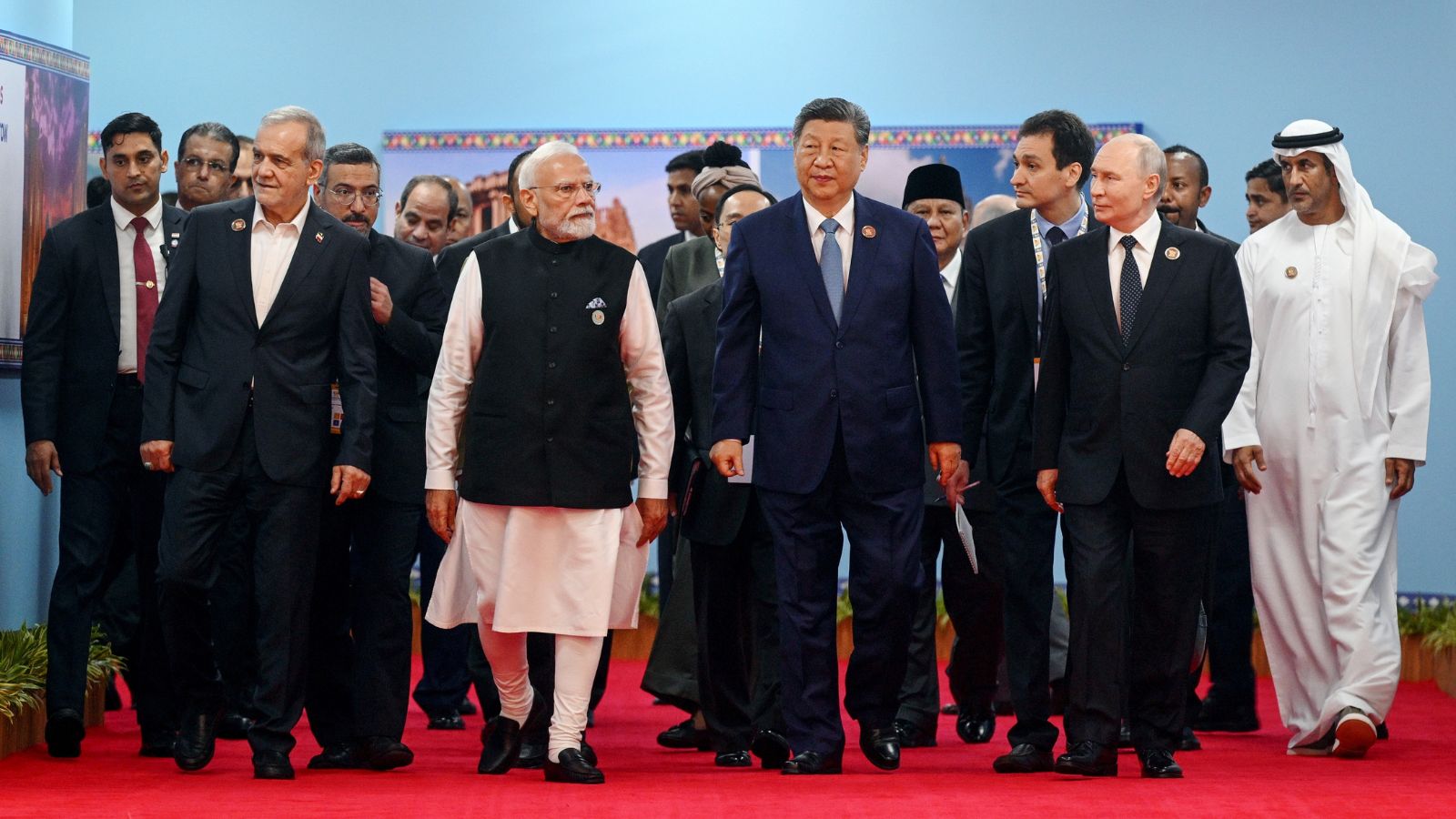
New Delhi: The 18th BRICS Summit 2026, hosted by India, has reached its final day amidst intense geopolitical maneuvering. As world leaders gathered at Bharat Mandapam, the summit assumed heightened significance due to the escalating tensions from the Russia-Ukraine war, instability in West Asia, and shifting U.S. trade policies. The summit has become a focal point for addressing the 'growing risks' of nuclear catastrophe and global conflict.
The New Delhi Declaration and Diplomatic Breakthrough
A major milestone was achieved on Saturday when the 11-member grouping officially adopted the New Delhi Declaration. This consensus was made possible following a critical last-minute diplomatic compromise between Iran and the United Arab Emirates (UAE) regarding the language used to describe the conflicts in West Asia. The meeting was presided over by Prime Minister Narendra Modi, who delivered a powerful pitch for BRICS to evolve from 'rule-takers to rule-shapers'.
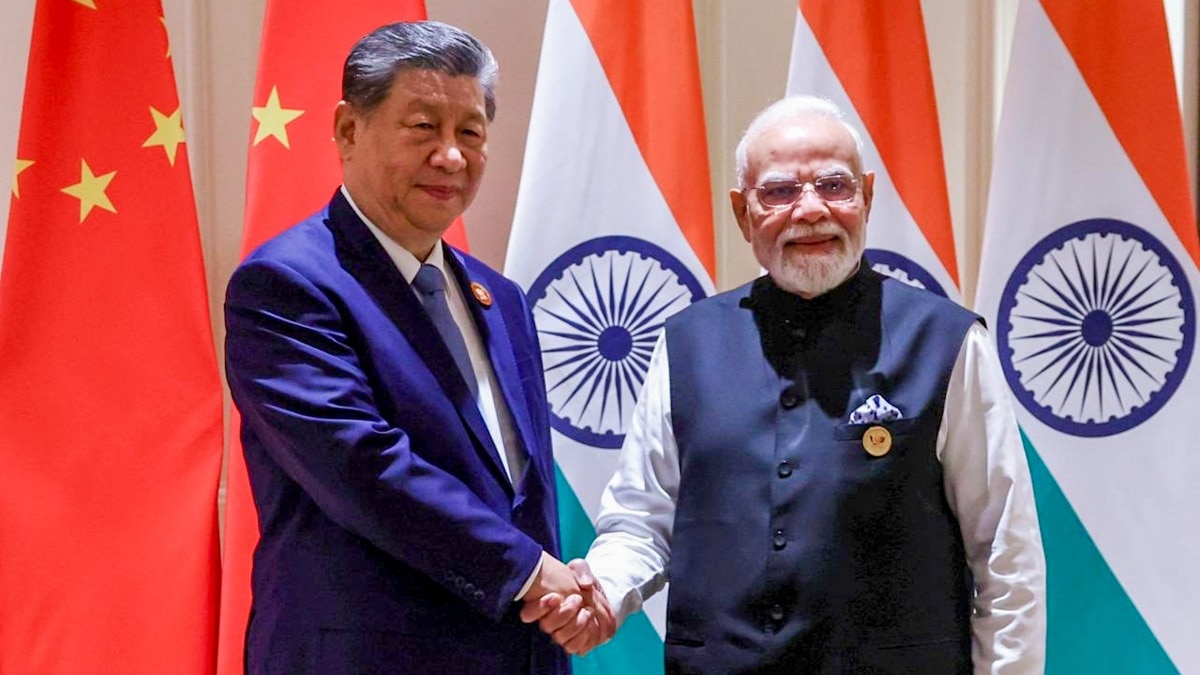
The summit saw a high-profile assembly, including Russian President Vladimir Putin, Chinese President Xi Jinping, Iranian President Masoud Pezeshkian, and Abu Dhabi Crown Prince Mohamed bin Zayed Al Nahyan.
Nuclear Safety: A Critical Red Line
In a stern warning, BRICS leaders expressed deep concern over "deliberate attacks" on civilian infrastructure and peaceful nuclear facilities that fall under the safeguards of the International Atomic Energy Agency (IAEA). The declaration emphasized that nuclear safety and security must be upheld unconditionally, even during periods of armed conflict, to prevent a global catastrophe.
Why This Matters
BozokMedia analysis shows that the ability of BRICS to reach a consensus despite deep-seated geopolitical divides marks a shift in the global order. By addressing nuclear safety and civilian protection, the bloc is positioning itself as a responsible global actor capable of setting international norms in a multipolar world.
The adoption of the New Delhi Declaration proves that even in a fragmented world, collective security frameworks remain a necessity.
Frequently Asked Questions
1. What was the outcome of the BRICS 2026 Summit?
The primary outcome was the adoption of the New Delhi Declaration, focusing on global security, nuclear safety, and economic cooperation.
2. Why was the consensus between Iran and the UAE important?
Their agreement on the wording regarding West Asia allowed the entire 11-member group to adopt a unified declaration without internal deadlock.