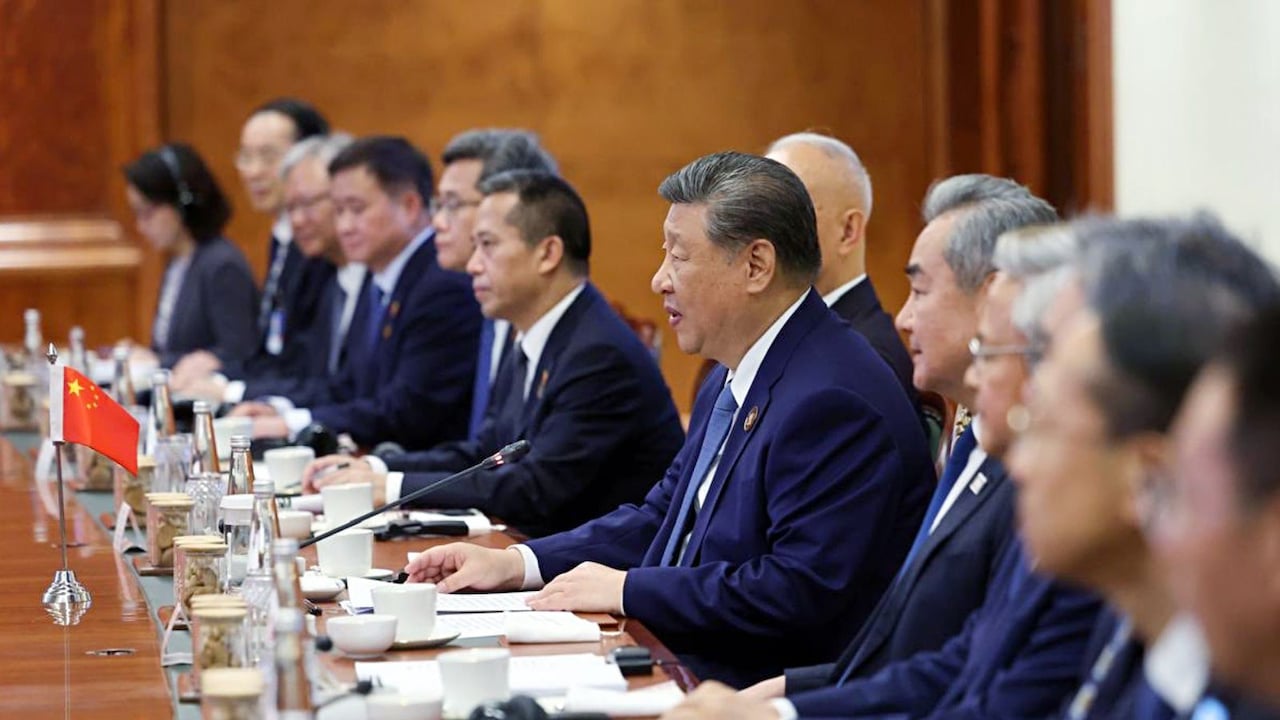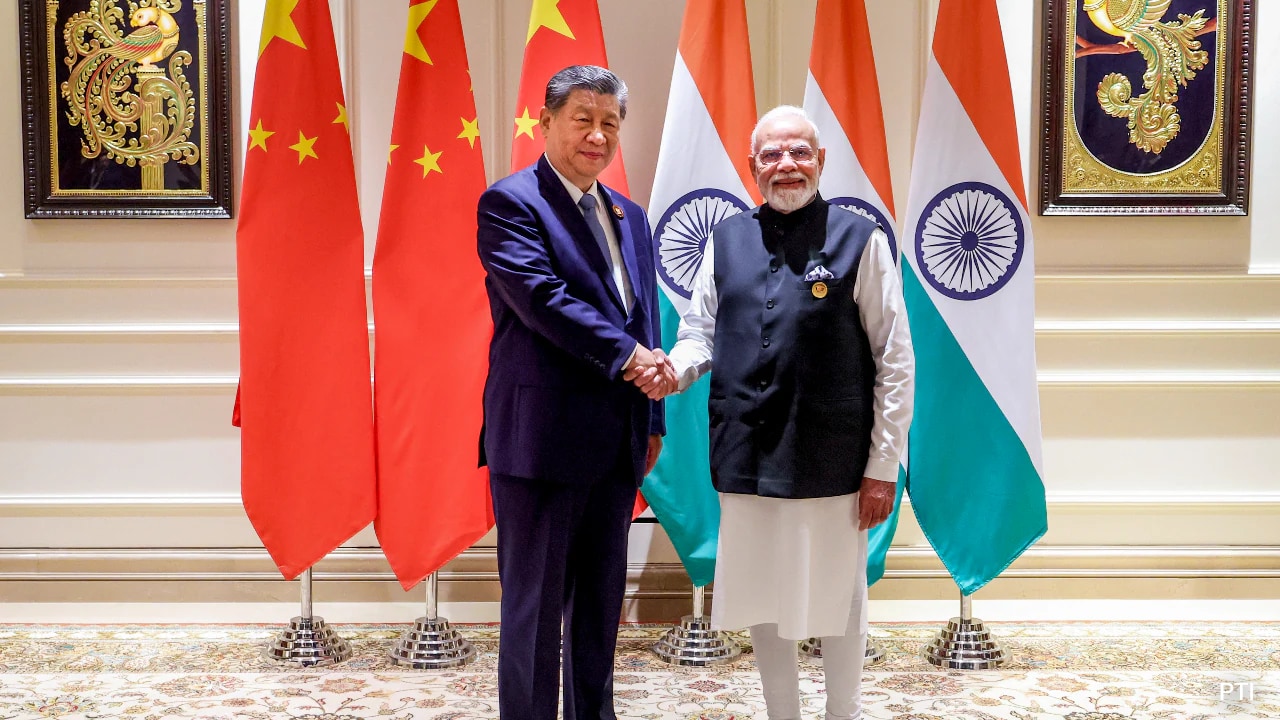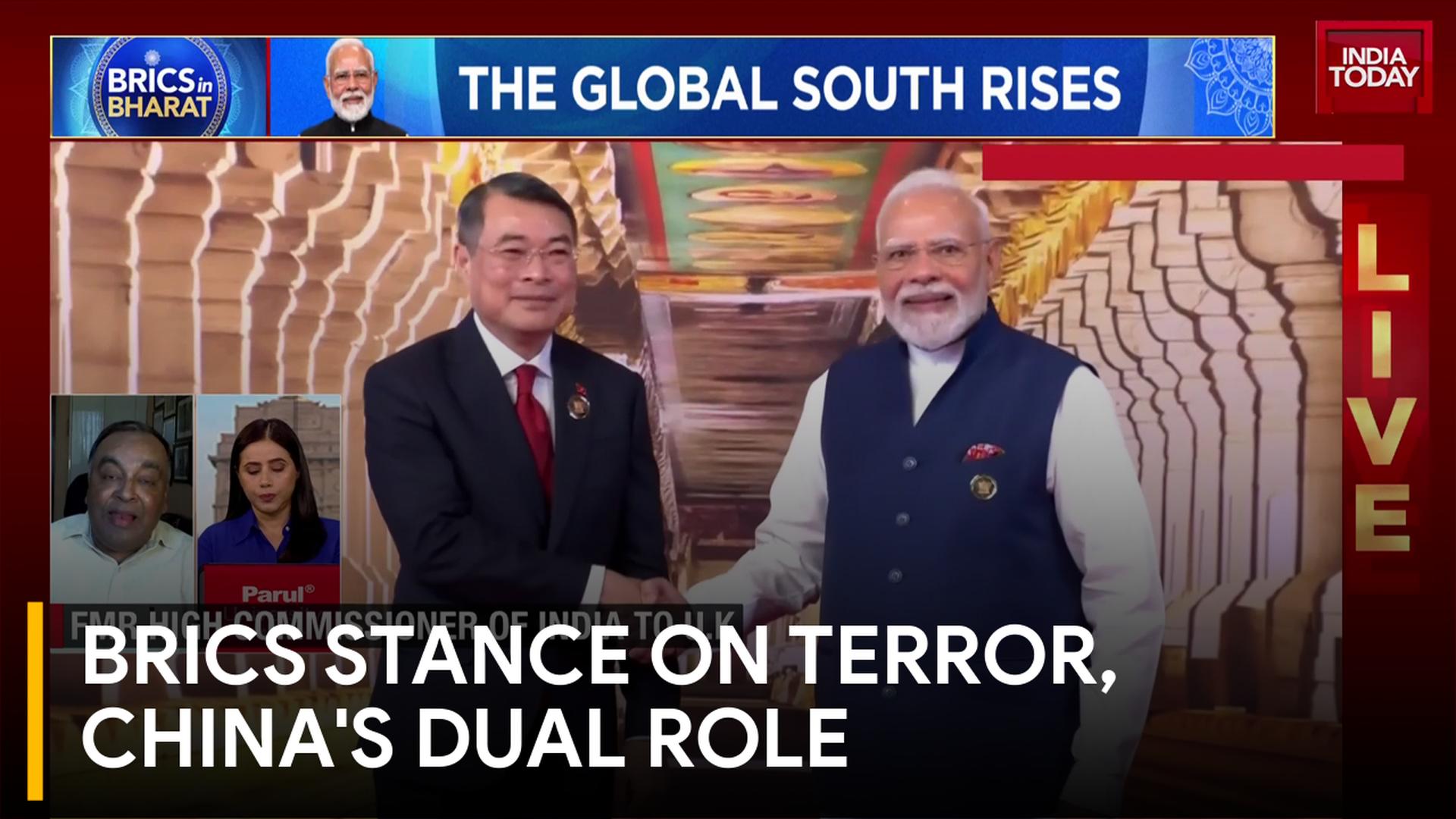
The BRICS summit has concluded with the adoption of the New Delhi Declaration, marking a unified stance against global terrorism and unilateral economic sanctions. India successfully mediated consensus among the expanded 11-member bloc.
- Demand for concerted action against all UN-designated terrorist entities.
- Strong condemnation of unilateral tariffs that violate WTO regulations.
- Emphasis on energy security amidst unpredictable global sanction regimes.
The BRICS summit has reached a historic milestone with the adoption of the New Delhi Declaration. This comprehensive 140-paragraph document outlines the bloc's unified position on critical global issues, including international terrorism, trade tariffs, and energy security. The declaration explicitly calls for decisive action against all United Nations-designated terrorists, reinforcing a policy of zero tolerance toward attacks on civilians.
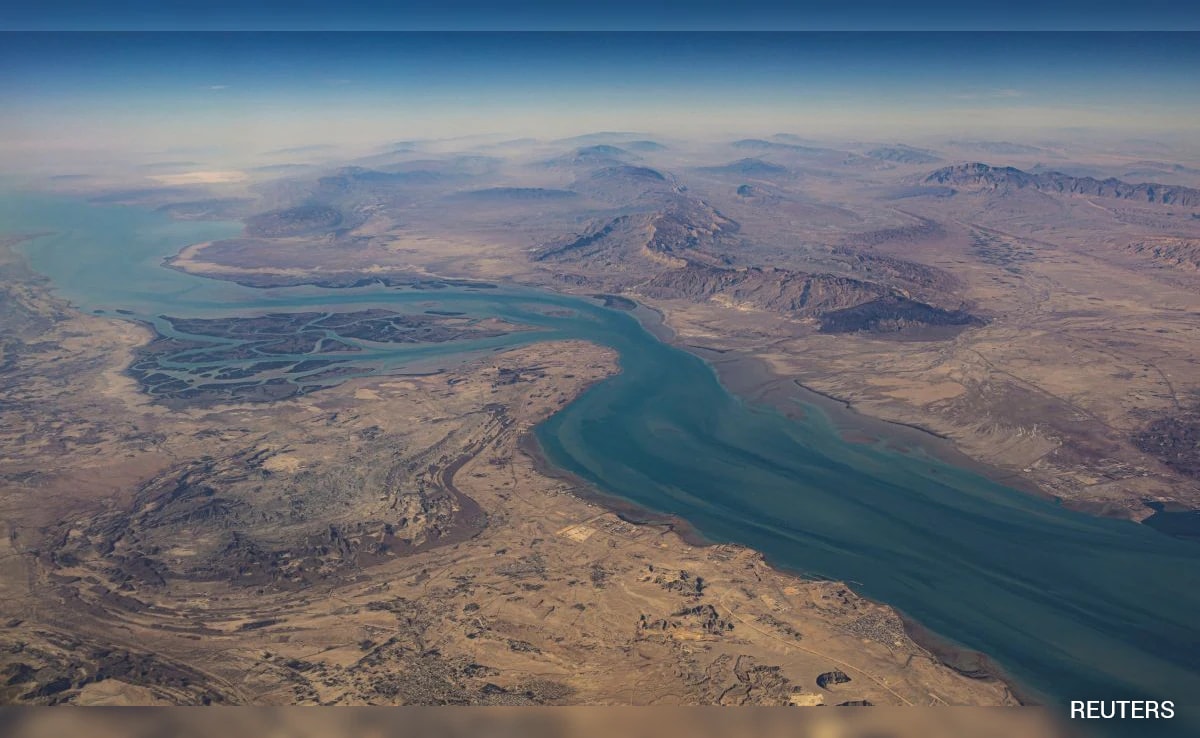
A significant highlight of the summit was the diplomatic mastery displayed by India. As the bloc expanded to 11 members, India played a pivotal role in building consensus among diverse geopolitical interests. This was particularly evident in the West Asia crisis, where India successfully bridged gaps between major regional players like Iran and the UAE, ensuring a cohesive collective stance.
Why This Matters
BozokMedia analysis shows that the expansion of BRICS represents a fundamental shift in the global order. By addressing unilateral trade measures and energy sanctions, the bloc is positioning itself as a safeguard against the weaponization of economic policies by dominant global powers, advocating instead for a rules-based international commerce system.
The adoption of a unified stance on terrorism signals a new era of collective security for the Global South.
Beyond security, the declaration voiced serious concerns regarding economic stability. It criticized unilateral tariff and non-tariff measures that distort international trade and contravene World Trade Organization (WTO) rules. Furthermore, the summit highlighted how unpredictable global sanction regimes pose a direct threat to national energy planning and long-term economic security.
Historical Background
Originally comprising Brazil, Russia, India, China, and South Africa, the BRICS alliance has recently undergone a massive expansion. This evolution from a small economic group to a massive geopolitical bloc has significantly increased its influence over global energy markets and international trade norms.
Frequently Asked Questions
1. What is the significance of the New Delhi Declaration?
It serves as a collective roadmap for BRICS members to combat terrorism and resist unfair trade practices.
2. How did India impact the summit outcome?
India acted as a key mediator, ensuring consensus among the 11 member nations and balancing Middle Eastern interests.