The BRICS summit has issued a powerful declaration against terrorism, while the world watches the complex diplomatic dance between India, China, and the West Asia crisis.
- BRICS joint declaration emphasizes 'Zero Tolerance' towards terrorism.
- Explicit condemnation of the April 22, 2025, Pahalgam terror attack.
- China's persistent obstructionism regarding Pakistan-based terrorists.
- High-stakes diplomatic engagement between PM Modi and President Xi Jinping.
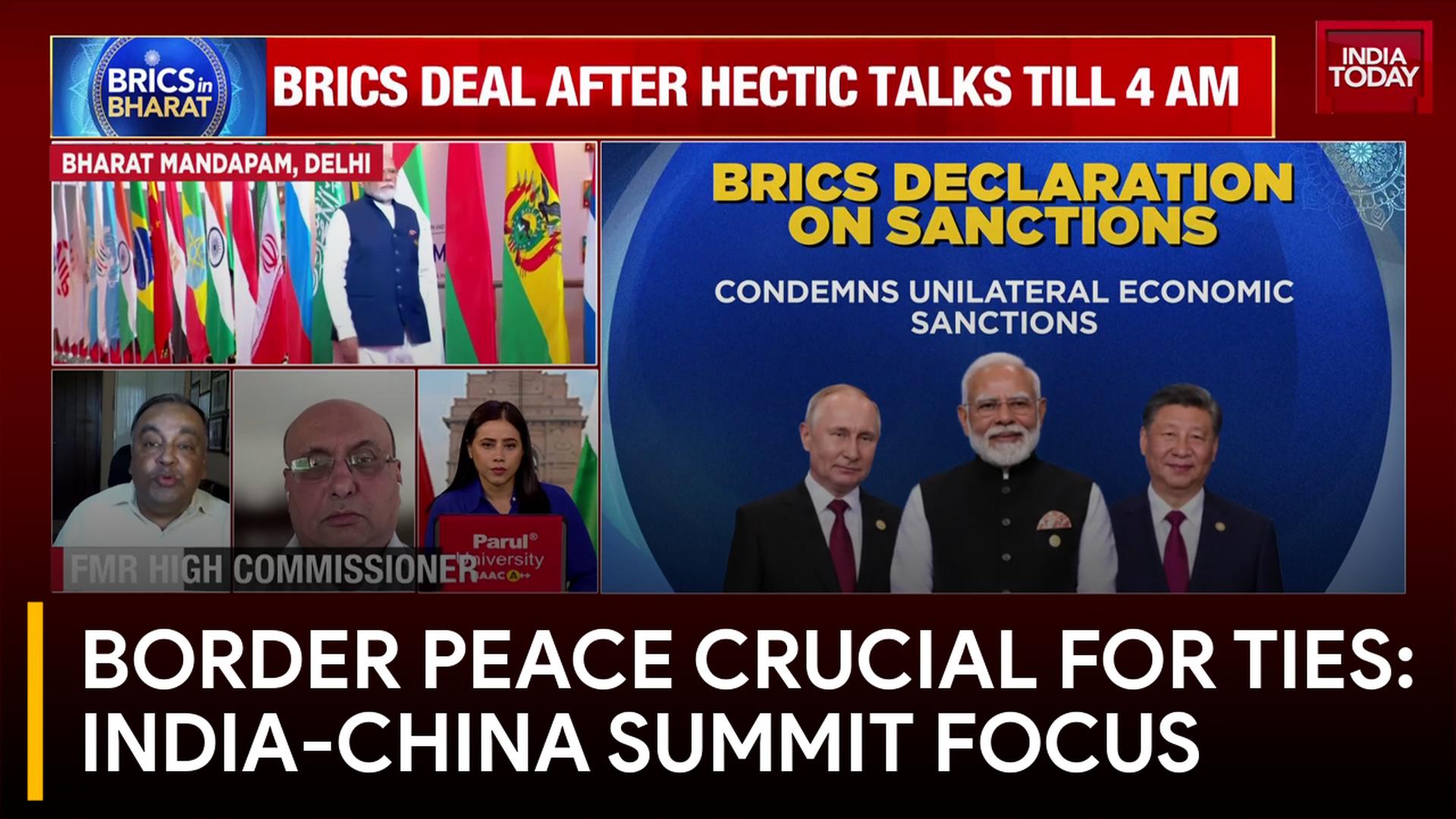
The recent BRICS Summit has emerged as a critical platform for addressing global security concerns. The summit's joint declaration has sent a strong signal by adopting a stance of zero tolerance toward terrorism, specifically including a condemnation of the tragic Pahalgam terror attack that occurred on April 22, 2025. This marks a significant moment in multilateral diplomacy regarding counter-terrorism.
India continues to lead the charge for the UN Comprehensive Convention on International Terrorism (CCIT). However, the summit highlighted the ongoing friction caused by China's diplomatic maneuvers. Beijing has consistently acted as an obstacle to listing Pakistan-based terrorists under UN sanction regimes, prioritizing its strategic national interests over the collective security goals of the multilateral community.
Why This Matters
BozokMedia analysis shows that the divergence in views on terrorism within BRICS creates a complex layer of geopolitical friction. While the group presents a united front on paper, the practical implementation of anti-terror measures is often hindered by the strategic competition between India and China.
The tension between multilateral declarations and national interest-driven obstructionism remains the primary hurdle in global counter-terrorism efforts.
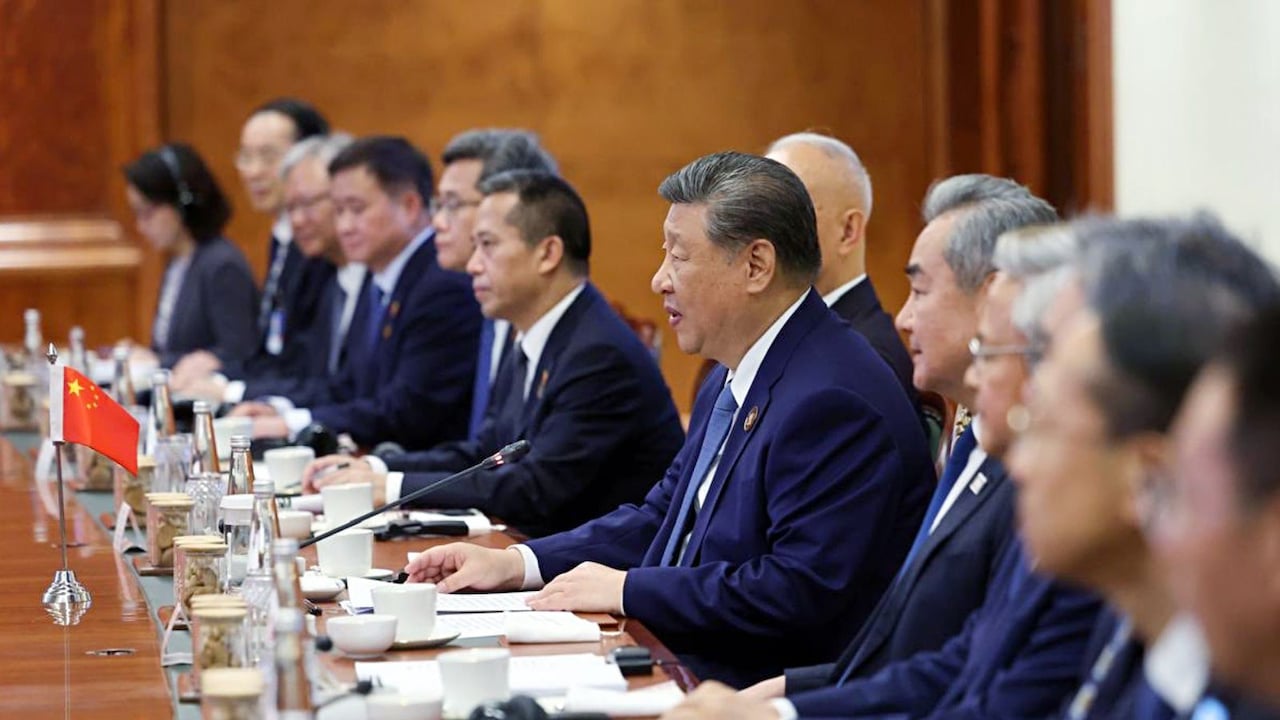
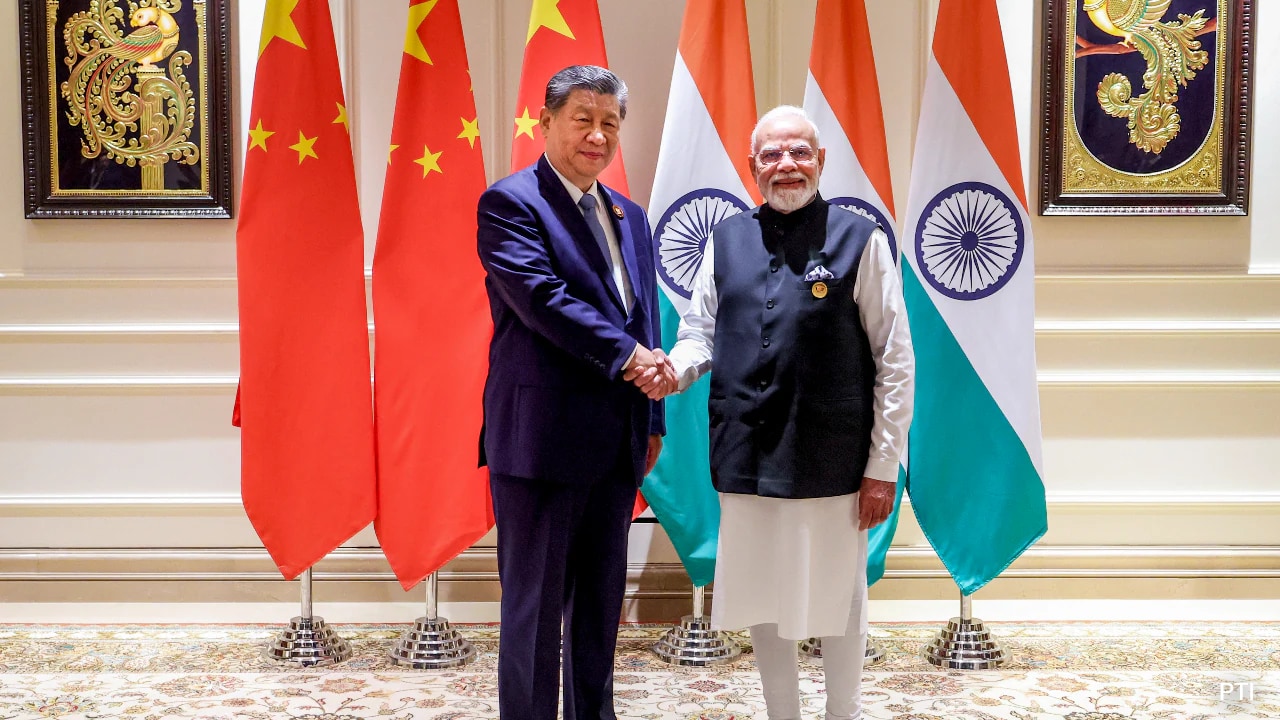
Simultaneously, the diplomatic engagement between Prime Minister Narendra Modi and President Xi Jinping is under intense scrutiny. Their interactions are expected to navigate the delicate balance of the India-China LAC border dispute and the broader implications of the ongoing West Asia crisis, particularly regarding Iran.
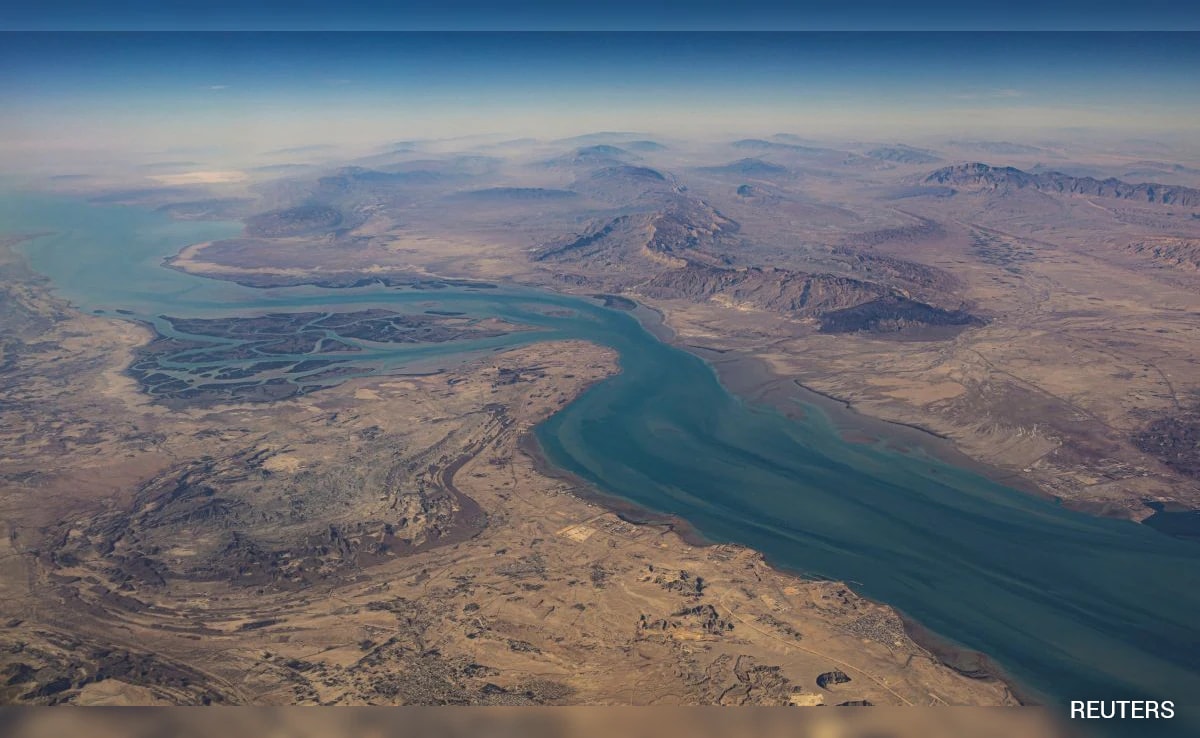
As President Xi Jinping prepares for high-level talks in Washington, the global landscape is shifting. The interplay of US economic sanctions, China's retaliatory policies on critical minerals, and the volatile security situation in the Gulf region are creating a new era of economic and military brinkmanship.
Historical Background
The India-China relationship has been defined by territorial disputes along the Line of Actual Control (LAC) and a struggle for regional hegemony. While BRICS was intended to foster cooperation among emerging economies, the divergent security interests of its members, particularly regarding terrorism and border sovereignty, remain a central theme in global politics.
Frequently Asked Questions
1. What was the major outcome of the BRICS summit regarding terrorism?
The summit issued a joint declaration of zero tolerance for terrorism and condemned the Pahalgam attack.
2. Why is China's role in UN sanctions controversial?
China often blocks the listing of certain terrorists under UN sanction regimes, which critics say undermines global security.