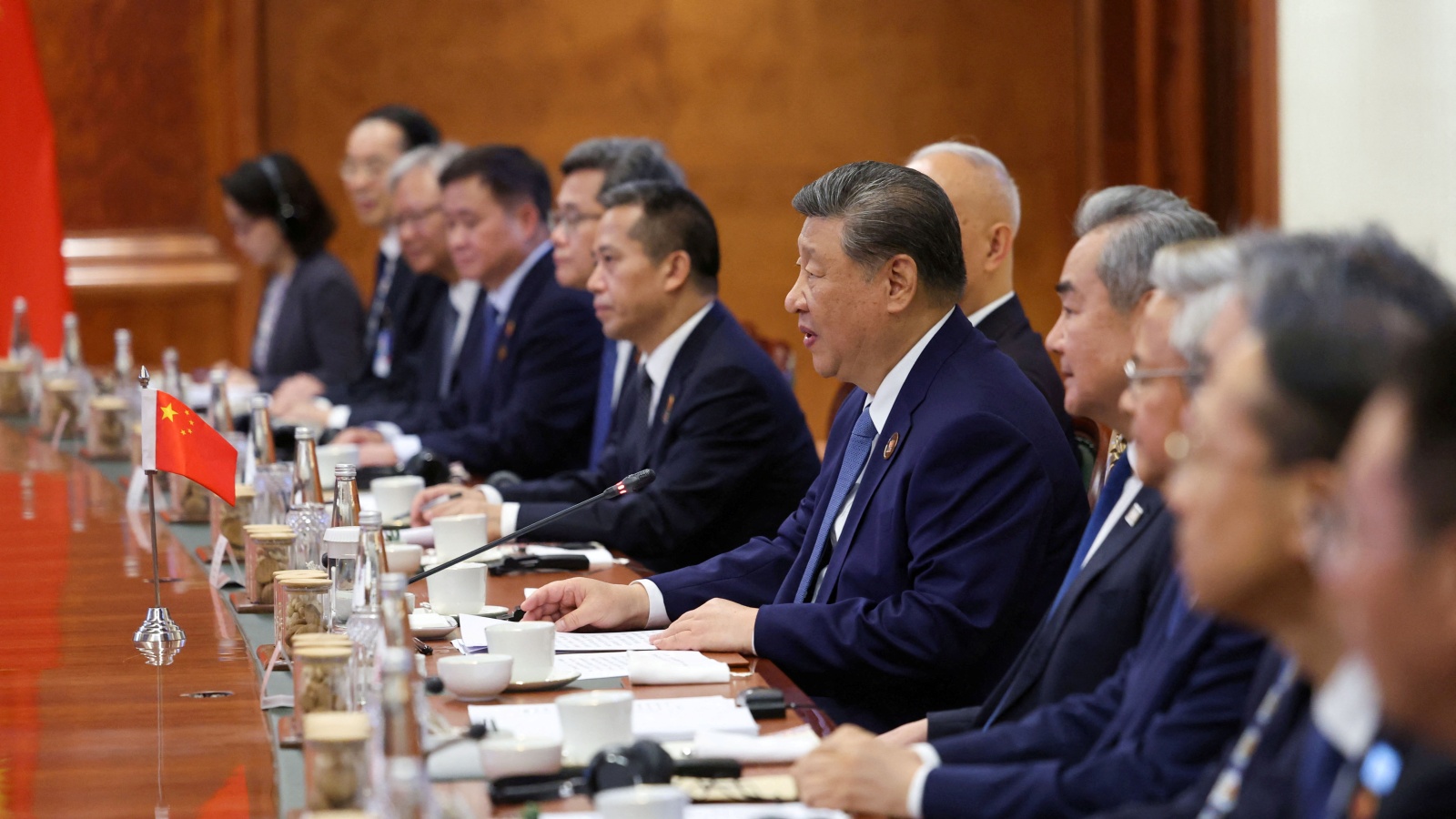
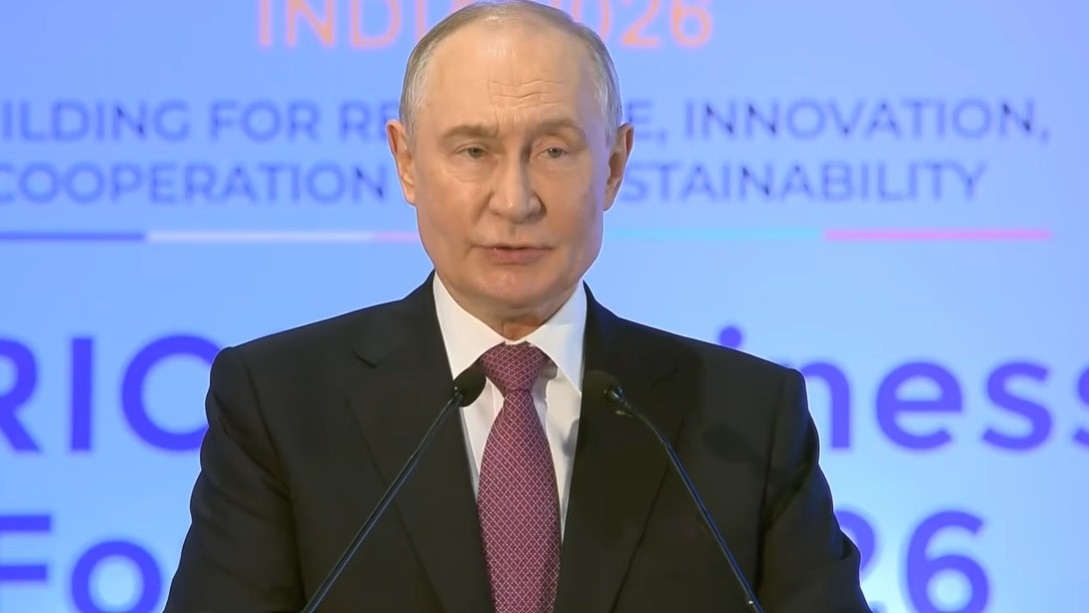
A tense diplomatic atmosphere unfolded at the BRICS summit as PM Modi's speech coincided with visible discomfort from Xi Jinping. Adding to the friction, the Chinese President opted to skip the official gala dinner hosted by India.
- PM Modi paused his address after noticing visible discomfort in Chinese President Xi Jinping.
- Xi Jinping notably skipped the high-profile gala dinner hosted by the Indian leadership.
- The incident highlights deep-seated tensions despite the collaborative BRICS framework.
The BRICS summit witnessed a moment of palpable diplomatic friction when Indian Prime Minister Narendra Modi paused his speech to check on the composure of Chinese President Xi Jinping. The interaction, marked by the PM asking, 'Is it okay?', has become a focal point of international scrutiny, highlighting the delicate dance of power between the two Asian giants.
Compounding the tension, President Xi Jinping’s decision to skip the gala dinner hosted by India sent shockwaves through diplomatic circles. Such absences in high-level summits are rarely incidental and often serve as a silent form of political protest or a reflection of unresolved bilateral grievances.
Why This Matters
BozokMedia analysis shows that while China is aggressively pushing for a 'Greater BRICS' vision centered on AI and smart manufacturing, India is maintaining a firm stance on territorial integrity and national security. This divergence in vision suggests that the BRICS bloc is navigating a complex path between cooperation and competition.
Protocol deviations, such as skipping a state dinner, are powerful non-verbal communications in the world of high-stakes diplomacy.
The geopolitical backdrop is further complicated by recent claims from Beijing regarding India's stance on anti-China activities and the sensitive issues of Tibet and Taiwan. While China seeks to lead through technological dominance, India continues to assert its role as a sovereign leader of the Global South, refusing to compromise on its core strategic interests.
Historically, the relationship between New Delhi and Beijing has been defined by border disputes and trade imbalances. The current summit serves as a litmus test for whether these two giants can coexist within a multilateral framework without letting bilateral friction derail global stability.
Frequently Asked Questions
Question 1: Why is the BRICS summit significant for India and China?
Answer: It provides a platform for both nations to influence global economic policies, despite their significant bilateral disagreements.
Question 2: What does Xi Jinping skipping the dinner signify?
Answer: It is widely interpreted as a sign of diplomatic cooling or a strategic snub regarding ongoing bilateral tensions.