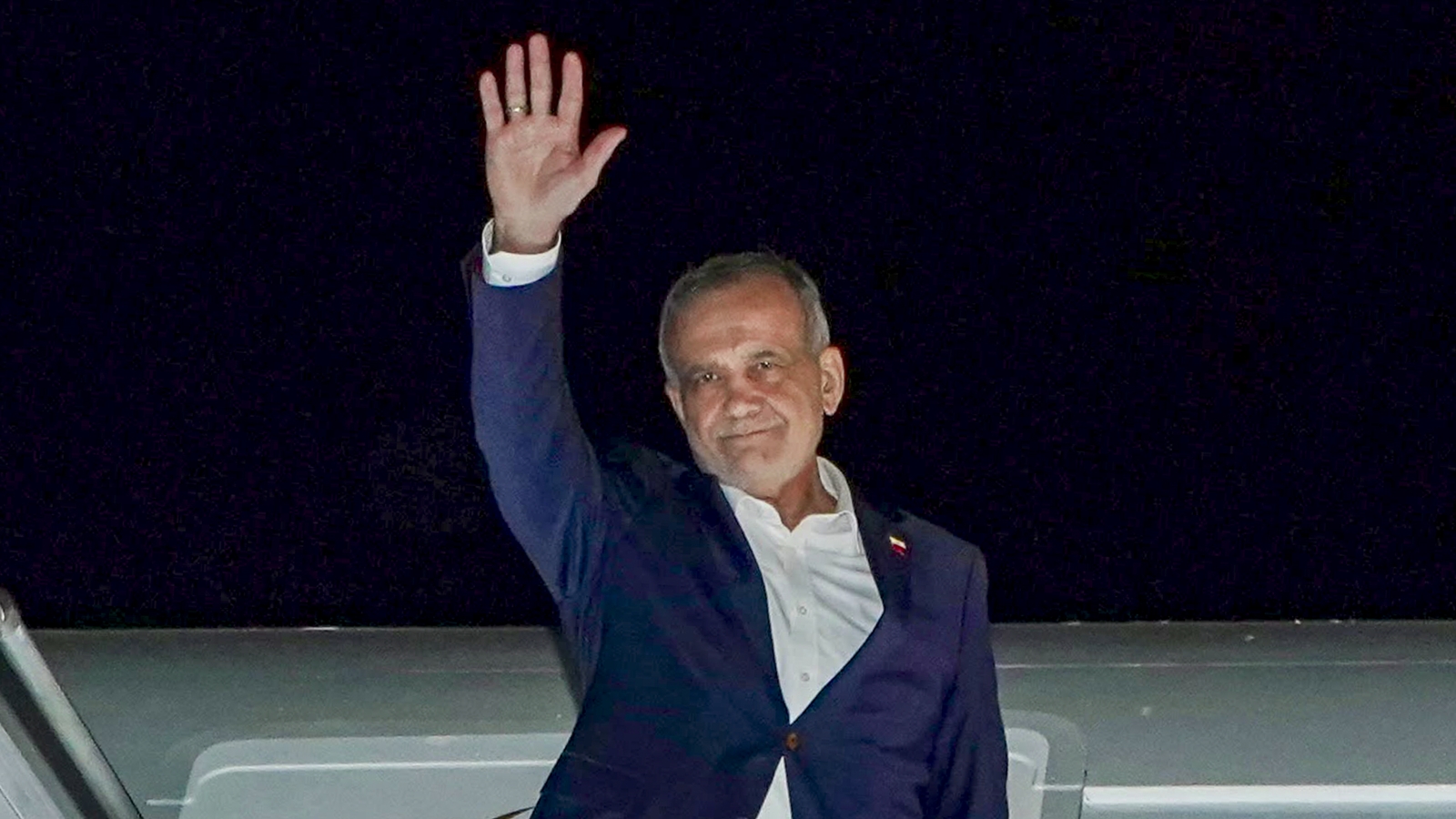
In a rare diplomatic moment at the BRICS summit, Prime Minister Narendra Modi paused his address to check on China's President Xi Jinping. This interaction comes amidst shifting dynamics between the two Asian giants.
- PM Modi displayed a significant diplomatic gesture toward Xi Jinping during his BRICS speech.
- China denounced the 'Might-Makes-Right' logic within the global order.
- The interaction signals a potential, albeit cautious, thaw in India-China relations.
During the high-stakes BRICS Summit, a moment of unexpected diplomatic etiquette captured the world's attention. Video footage reveals that Prime Minister Narendra Modi momentarily halted his scheduled speech to acknowledge President Xi Jinping of China. The pause, intended to check on the Chinese leader's presence or engagement, has sparked intense discussion regarding the current state of bilateral ties.
This interaction occurs against a backdrop of complex geopolitical maneuvering. While the visual of the two leaders sharing a platform suggests a softening of tensions, analysts warn that the deep-seated divisions regarding border disputes and regional influence remain unresolved.
Why This Matters
BozokMedia analysis shows that such subtle non-verbal cues in international summits often carry more weight than formal communiqués. For the global economy and regional stability in Asia, the ability of India and China to maintain a functional, respectful dialogue is paramount.
Small gestures in high-level diplomacy often act as the first cracks in long-standing geopolitical ice.
In his own address, President Xi Jinping took a firm stance against the 'Might-Makes-Right' philosophy, advocating for a more equitable global governance model. China also outlined a vision for the future of BRICS, emphasizing artificial intelligence (AI) and smart manufacturing as key pillars for collective growth.
Historical Background
The relationship between the world's two most populous nations has been characterized by periods of intense cooperation and severe confrontation. From the 1962 border conflict to the recent standoffs in the Galwan Valley, the trust deficit between New Delhi and Beijing has historically shaped the security architecture of Asia.
Frequently Asked Questions
Question 1: Is there a formal peace agreement between India and China?
Answer: While there are ongoing discussions and disengagement processes at the border, a permanent peace treaty remains a work in progress.
Question 2: What are China's new initiatives for BRICS?
Answer: China is focusing on technological integration, specifically in AI and smart manufacturing, to strengthen the bloc's economic ties.