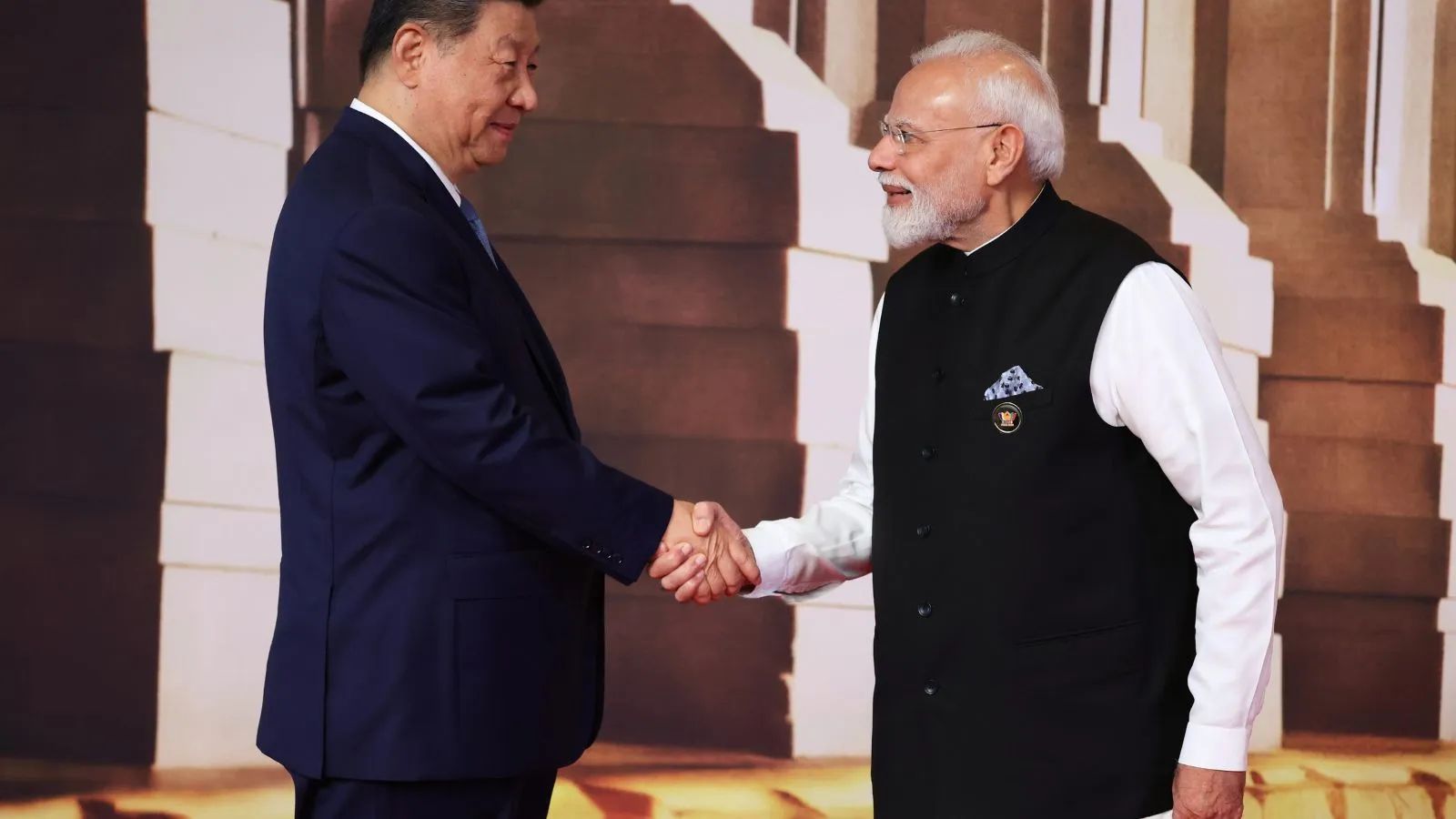
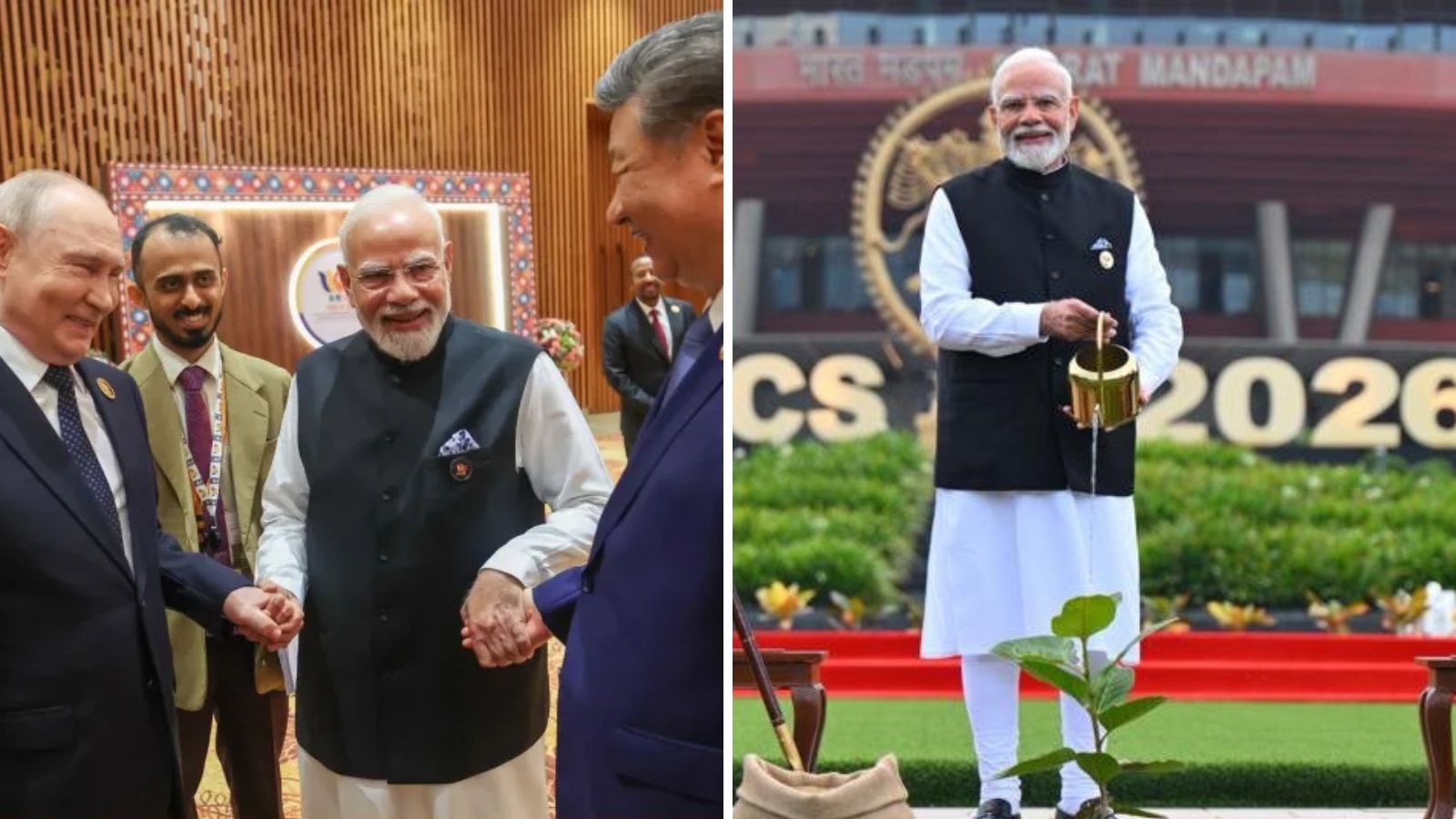
The recent bilateral meeting between PM Narendra Modi and President Xi Jinping at the BRICS Summit has captivated global attention. The visible rapport between the two leaders suggests a potential thaw in India-China relations.
- PM Modi and Xi Jinping held a bilateral meeting at the BRICS Summit.
- Signs of diplomatic warming between India and China were evident.
- The meeting marks a significant shift in regional geopolitical dynamics.
At the high-stakes BRICS Summit, all eyes were on the interaction between Prime Minister Narendra Modi and Chinese President Xi Jinping. Their recent encounter has sent ripples through the global diplomatic community, as the two leaders were seen engaging in a cordial manner, a stark contrast to the frosty relations seen in recent years. The visible smiles shared between the two leaders have been interpreted as a potential breakthrough in bilateral ties.
The meeting went beyond mere protocol. Observers noted a level of engagement that suggests both nations are looking to stabilize their relationship amidst shifting global alliances. Following years of border tensions and diplomatic standoffs, this interaction at a multilateral forum like BRICS provides a crucial neutral ground for high-level dialogue.
Why This Matters
BozokMedia analysis shows that any stabilization in India-China relations has profound implications for the stability of the Indo-Pacific region and the broader global economy. As the two most populous nations in the world, their ability to manage conflict is essential for global peace.
The diplomatic chemistry observed between Modi and Xi could be the catalyst for a new era of cooperation in Asia.
The historical context of this meeting cannot be overlooked. Since the 2020 standoff in the Galwan Valley, relations have been at an all-time low. However, the BRICS platform has consistently served as a vital channel for communication, preventing total diplomatic decoupling. This latest summit is being hailed by many as a 'blockbuster' moment in modern diplomacy.
Chinese experts are also closely watching these developments, noting that improving ties with India could benefit China's strategic positioning in the Global South. For India, maintaining a strong stance on border security while pursuing economic engagement remains the primary objective of its foreign policy.
Historical Background
The relationship between India and China has transitioned from peaceful coexistence to intense competition and occasional conflict. While the BRICS grouping was established to foster cooperation among emerging economies, it has also become a key arena for managing the complex power dynamics between New Delhi and Beijing.
Frequently Asked Questions
1. Does this meeting mean the border dispute is resolved?
While the meeting is a positive sign of communication, the complex border issues require further specific negotiations and technical agreements to be fully resolved.
2. How does BRICS impact India's role in the world?
BRICS allows India to lead and participate in a group of emerging powers, providing a counterweight to traditional Western-led global institutions.