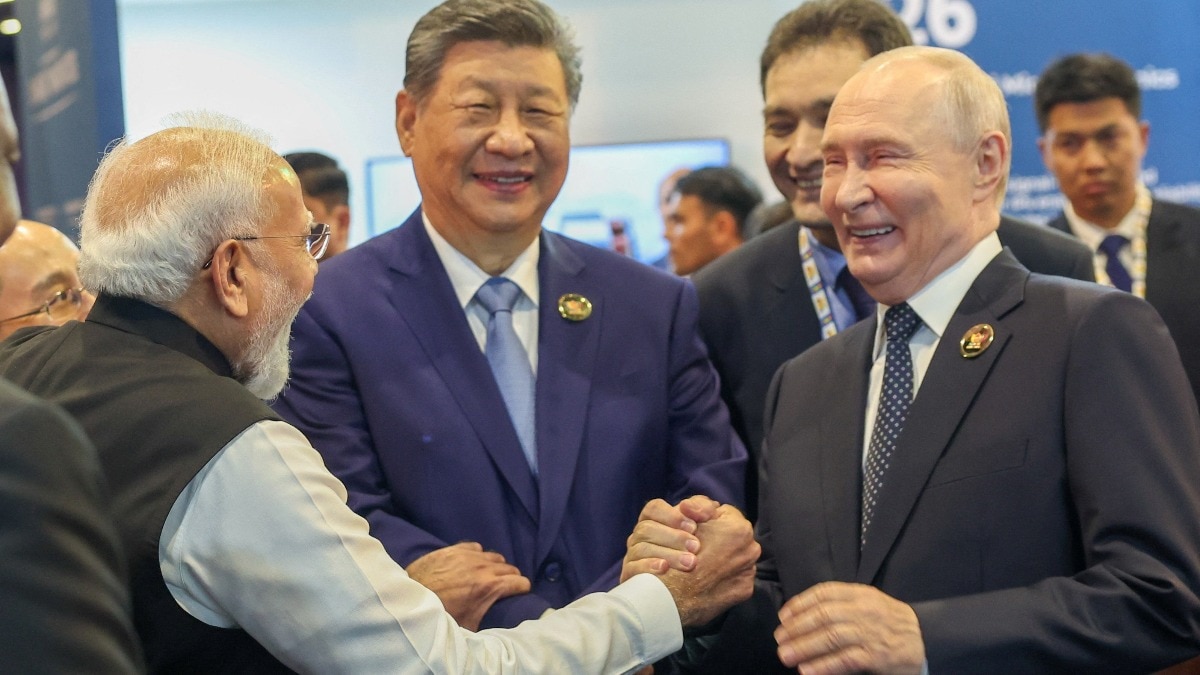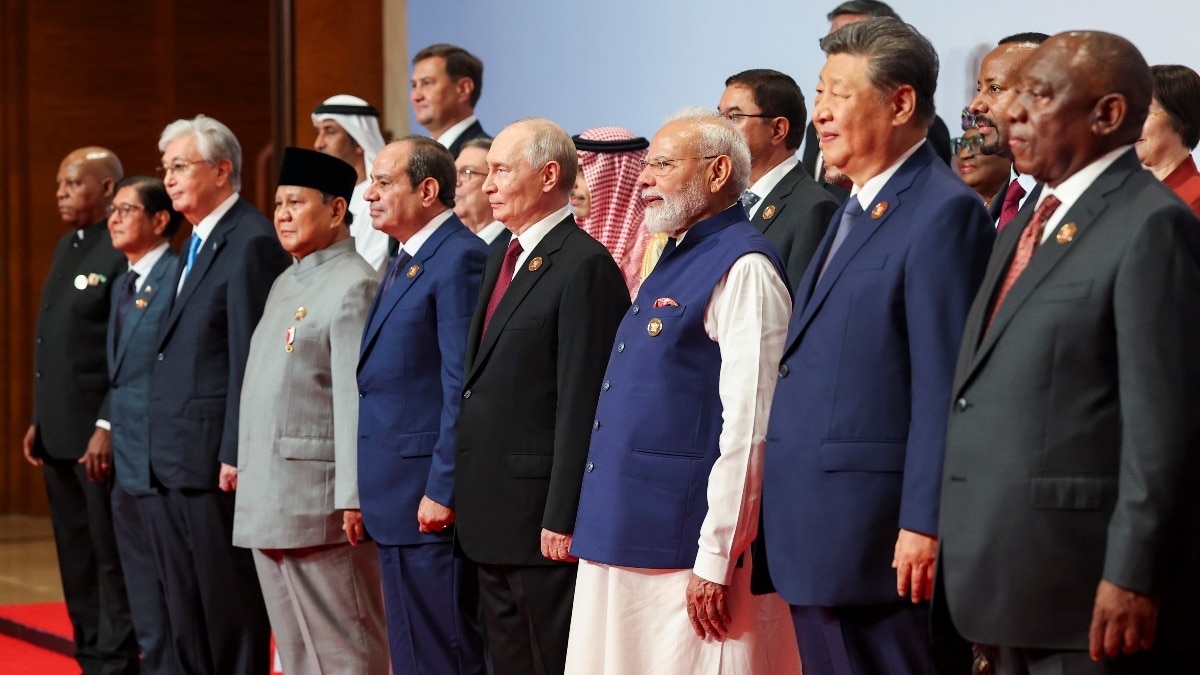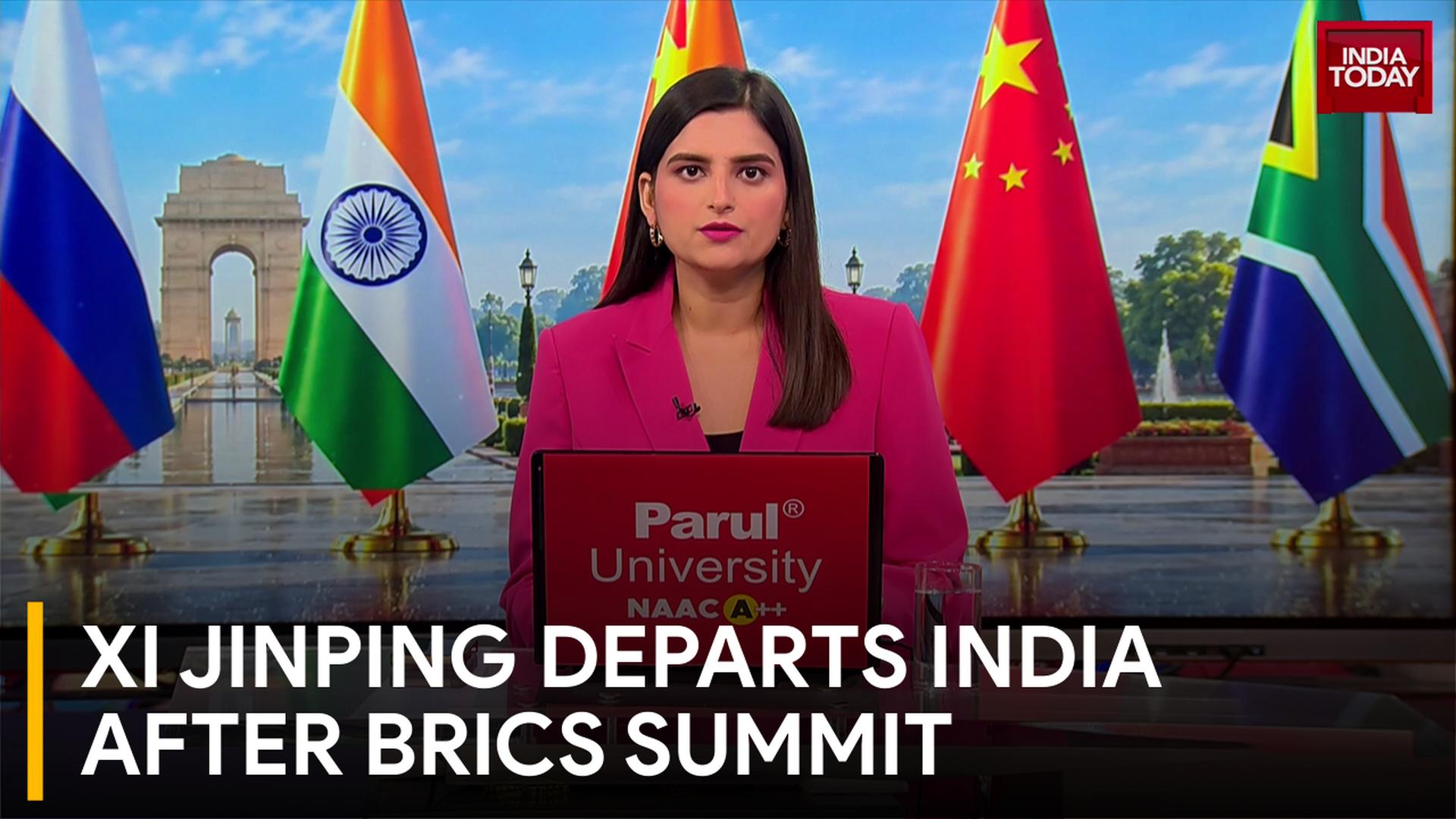
Following the high-profile BRICS Summit in New Delhi and strategic bilateral discussions with Prime Minister Modi, Chinese President Xi Jinping has departed from India, marking a pivotal moment for global multilateralism.
- President Xi Jinping concluded his visit to India after participating in the BRICS Summit and meeting PM Modi.
- The 'New Delhi Declaration' emerged as a cornerstone for reformed multilateralism.
- Global trade security and West Asian geopolitical tensions were central themes of the summit.
Chinese President Xi Jinping has departed from India after a series of high-level engagements, including the BRICS Summit and critical bilateral discussions with Prime Minister Narendra Modi. The visit comes at a time when the global order is undergoing significant shifts toward multipolarity.
A major highlight of the summit was the New Delhi Declaration, which serves as a catalyst for reformed multilateralism. The grouping is positioning itself as a vital alternative platform for non-Western nations seeking strategic autonomy in an increasingly fragmented world. The discussions heavily emphasized the need to counter the weaponization of economic interdependence and unilateral coercive measures.
Why This Matters
BozokMedia analysis shows that the outcomes of this summit directly impact the future of global trade governance. As nations grapple with rising tariffs and export restrictions, the BRICS bloc is attempting to fortify the norms of the World Trade Organization (WTO) while advocating for a more equitable distribution of economic power.
The strategic alignment within BRICS signals a profound shift in how emerging economies intend to navigate the complexities of modern geopolitics.
Furthermore, the summit addressed the escalating volatility in West Asia. Experts highlighted the risks posed by tensions involving Iran, the United States, and Israel. The potential disruption of maritime choke points—such as the Strait of Hormuz, the Red Sea, and the Suez Canal—remains a primary concern for global energy security and international trade stability.
Historical Background
The BRICS alliance has evolved from an economic acronym into a potent geopolitical force. As member nations expand, the group's ability to influence global governance and provide an alternative to Western-led institutions has grown exponentially, making meetings like the one in New Delhi highly consequential.
Frequently Asked Questions
Question 1: What is the significance of the New Delhi Declaration?
Answer: It aims to promote reformed multilateralism and provide a platform for strategic autonomy for developing nations.
Question 2: How does West Asian tension affect global trade?
Answer: Tensions in the region can disrupt critical maritime routes, leading to increased shipping costs and energy supply volatility.