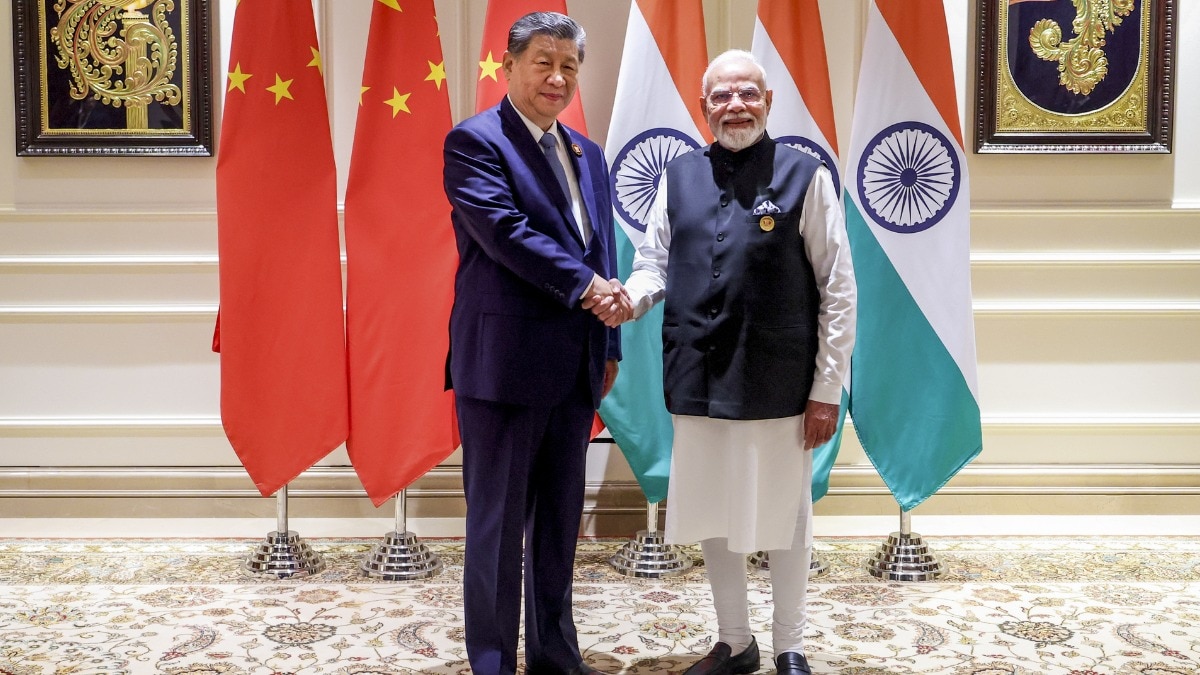
In a historic move, India and China held bilateral talks in New Delhi for the first time in seven years. The discussions centered on resolving border tensions and addressing structural trade imbalances.
- First bilateral meeting on Indian soil in seven years.
- Emphasis on maintaining peace and tranquility along border areas.
- Commitment to addressing trade imbalances and supply chain disruptions.
- Adherence to mutual respect, sensitivity, and interest.
On the sidelines of the BRICS summit in New Delhi, a high-level delegation-level bilateral meeting took place between India and China. This landmark meeting marks the first such bilateral interaction held on Indian soil in seven years, signaling a potential thaw in the frosty relations that have persisted since the 2020 border clashes. The primary objective was to review the current state of bilateral ties and establish a strategic long-term perspective.
During the discussions, both nations welcomed the steady progress made in their relationship and emphasized that differences should be managed constructively so they do not escalate into full-scale disputes. The dialogue was anchored by three fundamental principles: mutual respect, mutual sensitivity, and mutual interest. Both sides agreed that maintaining peace and tranquility along the border is non-negotiable for stable and healthy bilateral relations.
Why This Matters
BozokMedia analysis shows that any de-escalation between the world's two most populous nations has profound implications for global stability. A normalized relationship between India and China could stabilize the Asian continent and provide much-needed predictability to global supply chains and international trade routes.
The shift from confrontation to structured dialogue is a critical step toward regional stability in the Indo-Pacific era.
Beyond the security aspect, the talks delved deep into economic complexities. Both nations addressed structural trade imbalances and the frequent disruptions in supply chains. India highlighted the necessity for predictable market access to ensure fair trade. Furthermore, there was a mutual agreement to expand people-to-people exchanges and enhance cultural and business cooperation to build deeper trust.
Historical Background
Relations between India and China reached a significant low following the deadly skirmishes in the Galwan Valley in 2020. Since then, the focus has been primarily on military disengagement and managing border tensions. This recent meeting in New Delhi represents a pivot toward a more comprehensive diplomatic engagement that includes economic and multilateral cooperation.
Frequently Asked Questions
1. What were the three pillars of the India-China discussion?
The discussions were based on the principles of mutual respect, mutual sensitivity, and mutual interest.
2. How does this impact trade?
The talks aimed to address structural trade imbalances and improve supply chain predictability between the two nations.