Following the recent BRICS summit between PM Modi and President Xi Jinping, experts suggest India and China have reached a 'Nash equilibrium' regarding the border. However, geopolitical triggers like Tibet and Pakistan could disrupt this fragile peace.
- India and China have reached a 'Nash equilibrium' on the border, where neither side can improve its position through unilateral changes in strategy.
- The August 2026 eight-point statement encourages an 'early harvest' approach to border negotiations.
- Succession of the Dalai Lama and potential India-Pakistan conflicts remain critical volatility triggers.
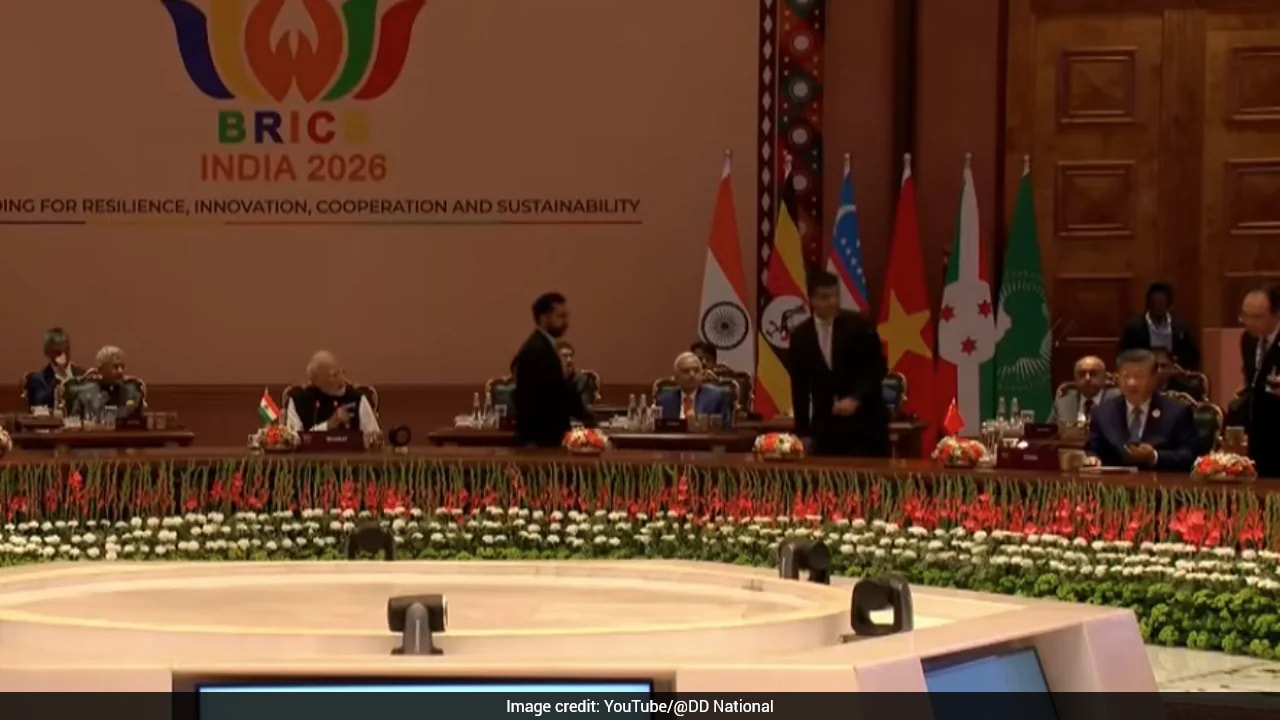
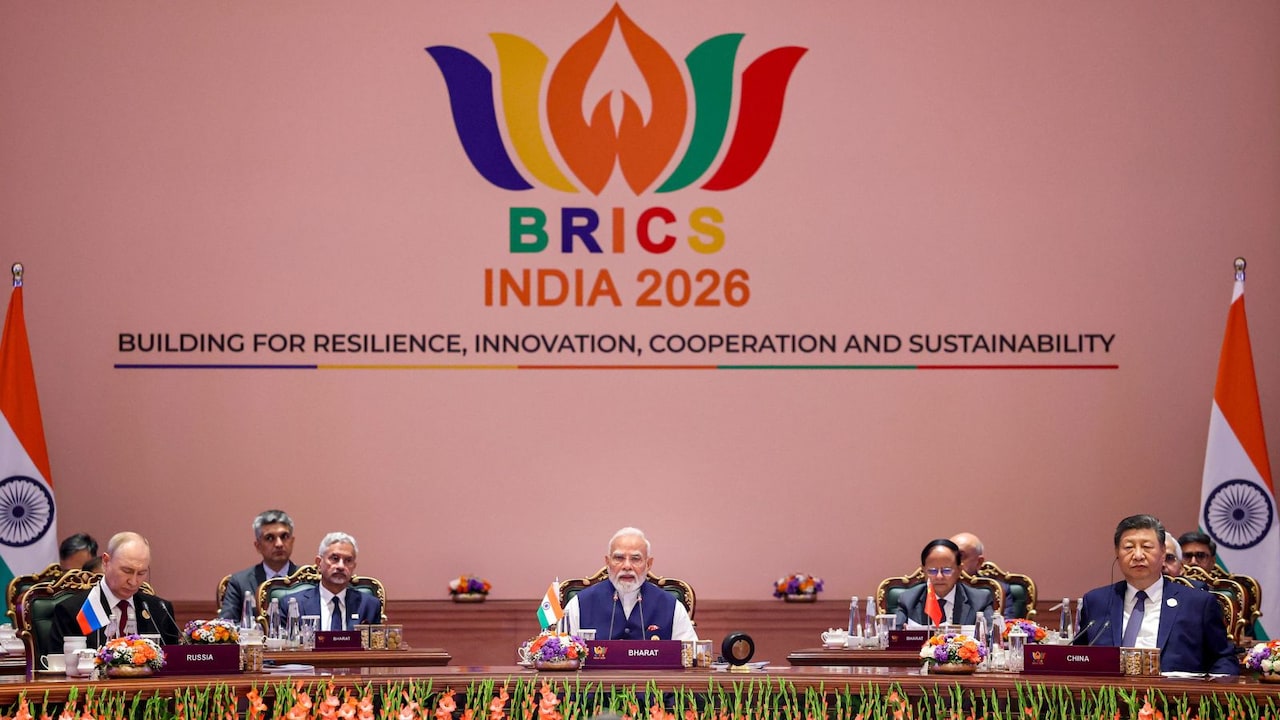
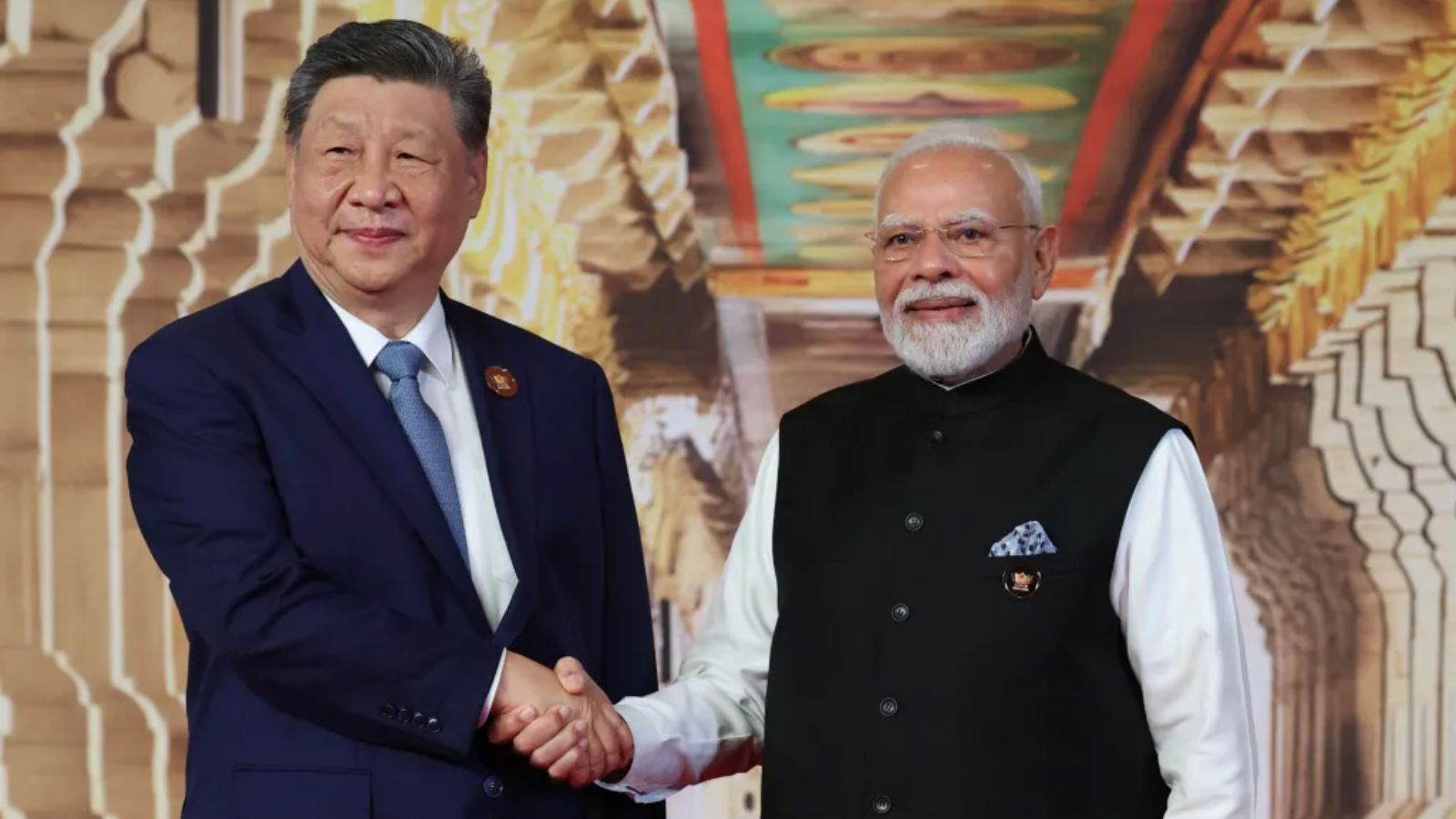
The recent interactions between Prime Minister Narendra Modi and Chinese President Xi Jinping at the BRICS Summit have sparked intense debate regarding the trajectory of India-China relations. Following the eight-point consensus statement issued on August 25, it appears that both nations have arrived at a Nash equilibrium concerning their protracted border dispute.
Understanding the Nash Equilibrium in Border Diplomacy
In game theory, a Nash equilibrium occurs when no player can improve their outcome by changing their strategy while others keep theirs unchanged. In the context of the Himalayas, this means both New Delhi and Beijing tacitly recognize that neither can achieve their maximal territorial objectives through current diplomatic or military means. While intermittent skirmishes and diplomatic sparring may continue, a significant shift in the Line of Actual Control (LAC) is unlikely in the near future.
Historical Context of Border Negotiations
The struggle to define the boundary has spanned decades. Since 1981, negotiations have moved through various stages, including the Joint Working Group and the Special Representative Mechanism. The most significant milestone remains the 2005 agreement on 'Political Parameters and Guiding Principles,' which mandates that a settlement must be a 'package deal'—nothing is settled until everything is settled. The recent 2026 statement suggests a shift toward an 'early harvest' model, focusing on sectoral successes rather than an all-encompassing deal.
Why This Matters
BozokMedia analysis shows that this equilibrium is dictated more by geography and logistics than by goodwill. The extreme terrain, unpredictable climate, and immense military costs make large-scale territorial conquest nearly impossible for both sides. For India, the goal remains Aksai Chin; for China, it is the southern slopes of Arunachal Pradesh. Since neither can realistically seize these areas, the status quo persists.
The current stability is not a sign of resolution, but a recognition of mutual limitation.
However, this equilibrium is far from permanent. Two critical variables could shatter this stability. First is the succession of the Dalai Lama. As Beijing seeks to appoint its preferred successor, the resulting religious and political friction could trigger a crisis reminiscent of 1962. Second is the India-Pakistan factor. A conflict in South Asia that draws China into a direct role could force India into a perilous two-front war scenario.
Frequently Asked Questions
1. What does Nash equilibrium mean for the LAC?
It implies that both countries have reached a point where neither can gain more territory without risking a costly and indecisive conflict.
2. What are the primary threats to this stability?
The primary threats are the political instability in Tibet regarding the Dalai Lama and potential escalations in the India-Pakistan conflict.